Skip to content

Posts from the ‘Design’ Category

Butte Regional Transit Operations Center Design Approved


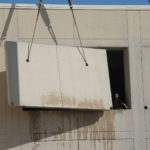
This slideshow requires JavaScript.

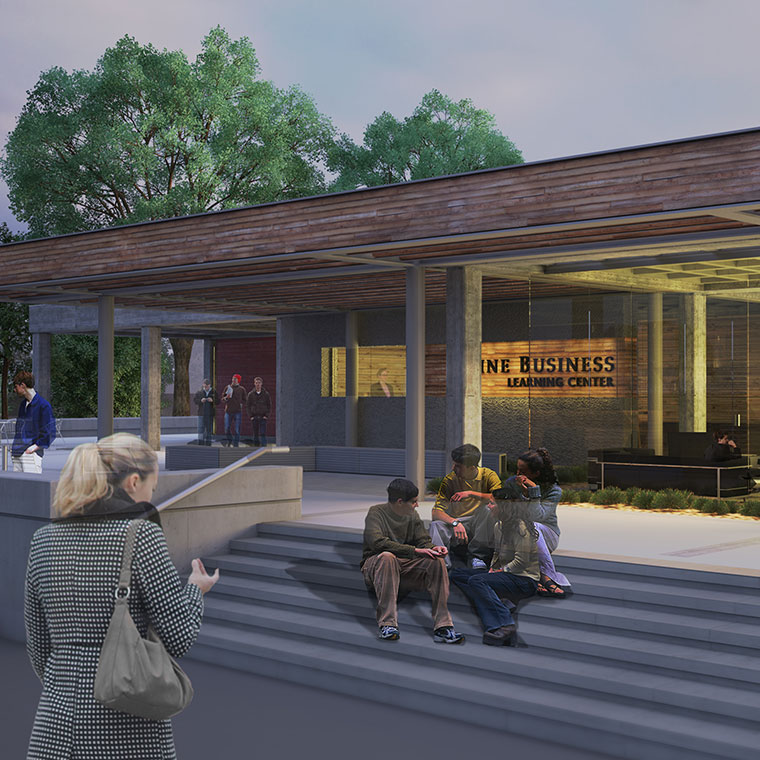
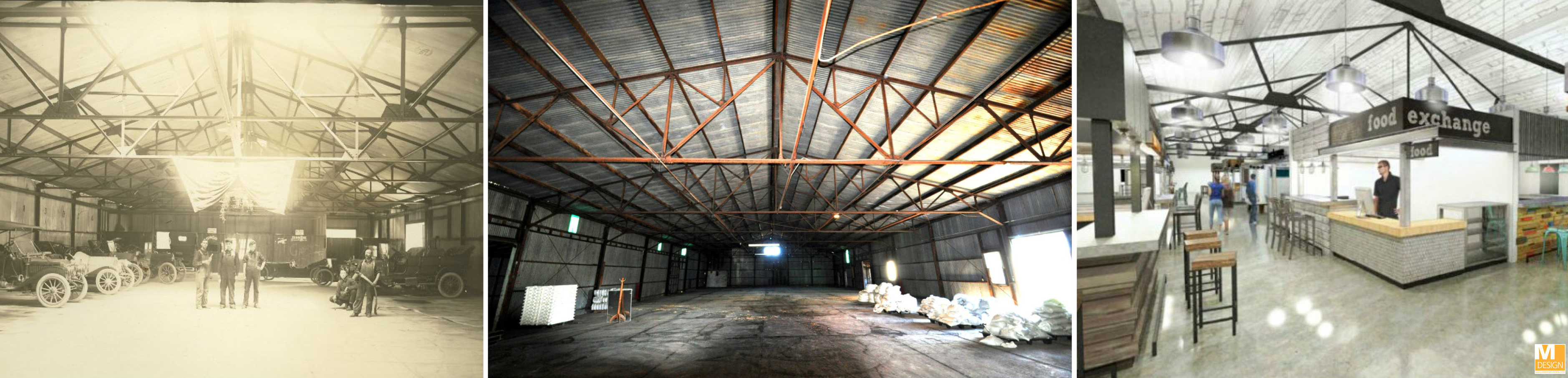
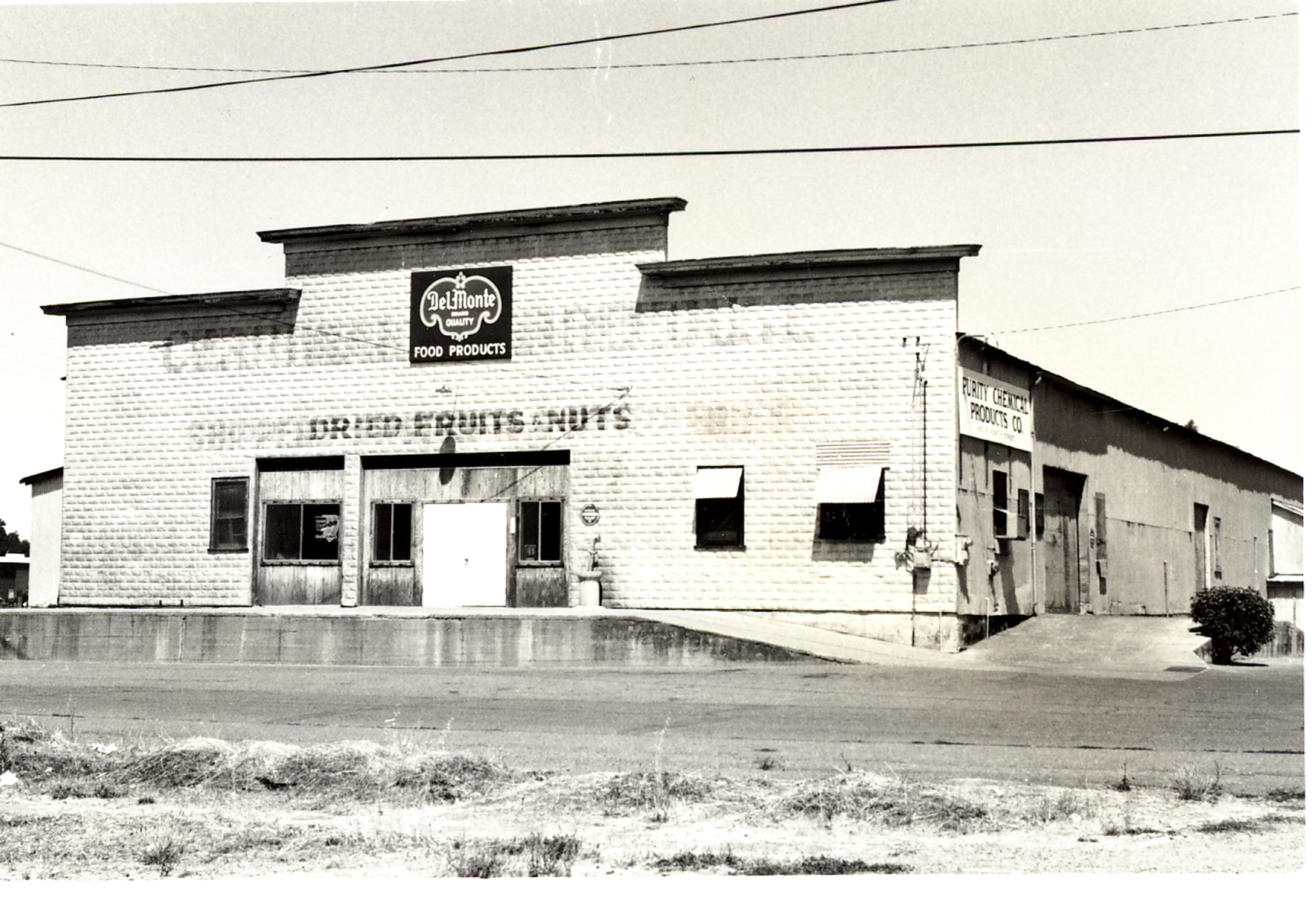
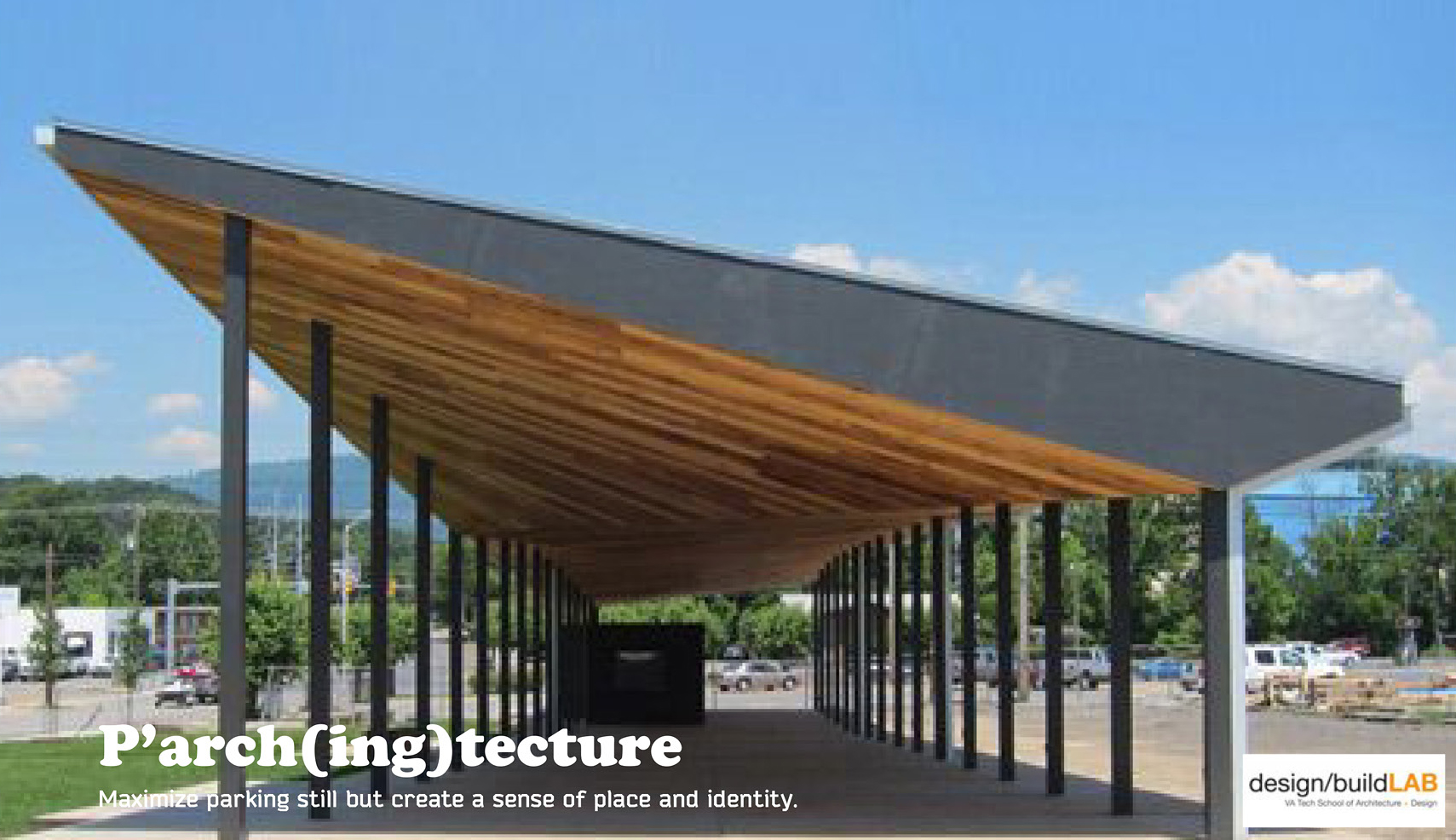
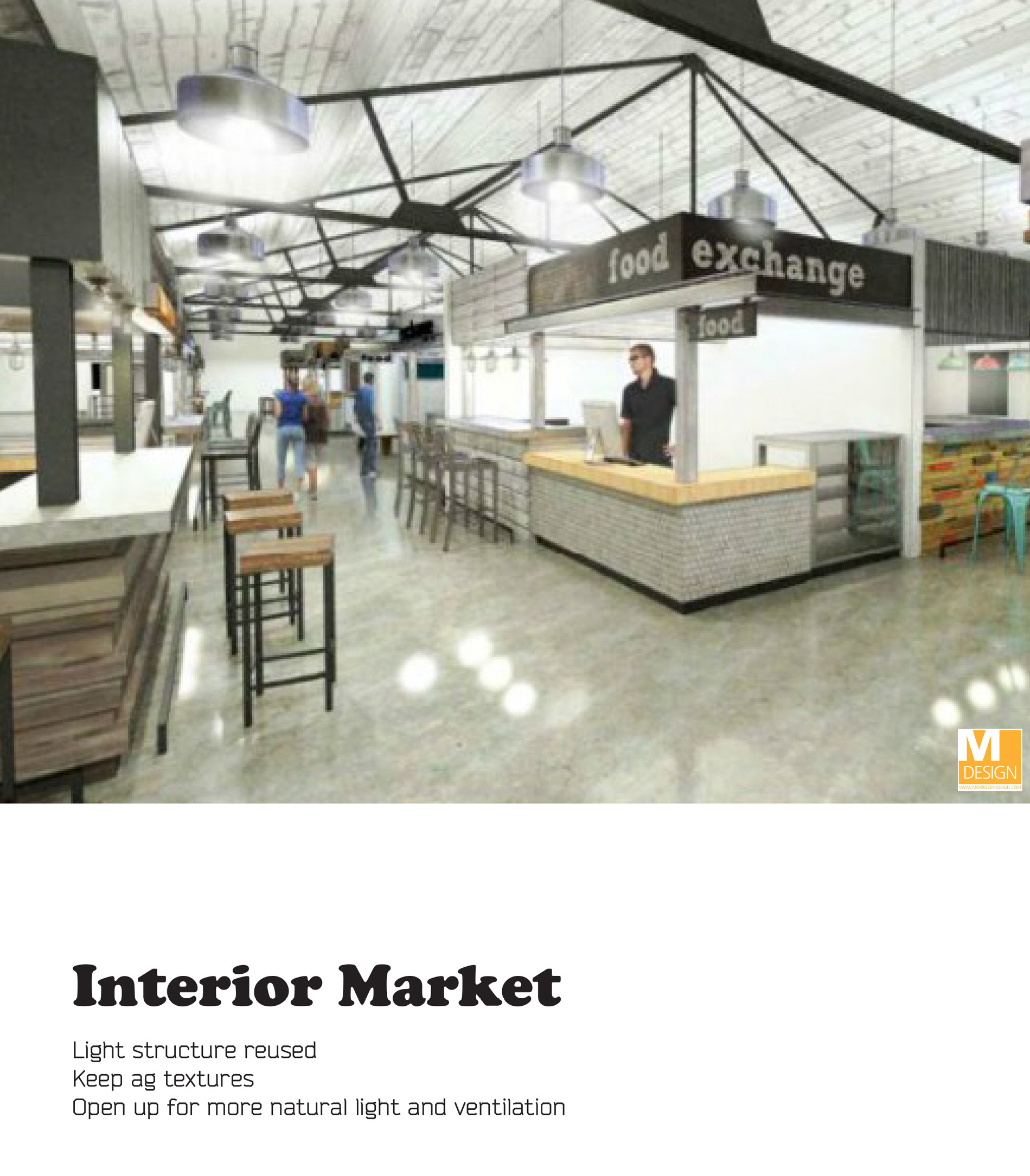
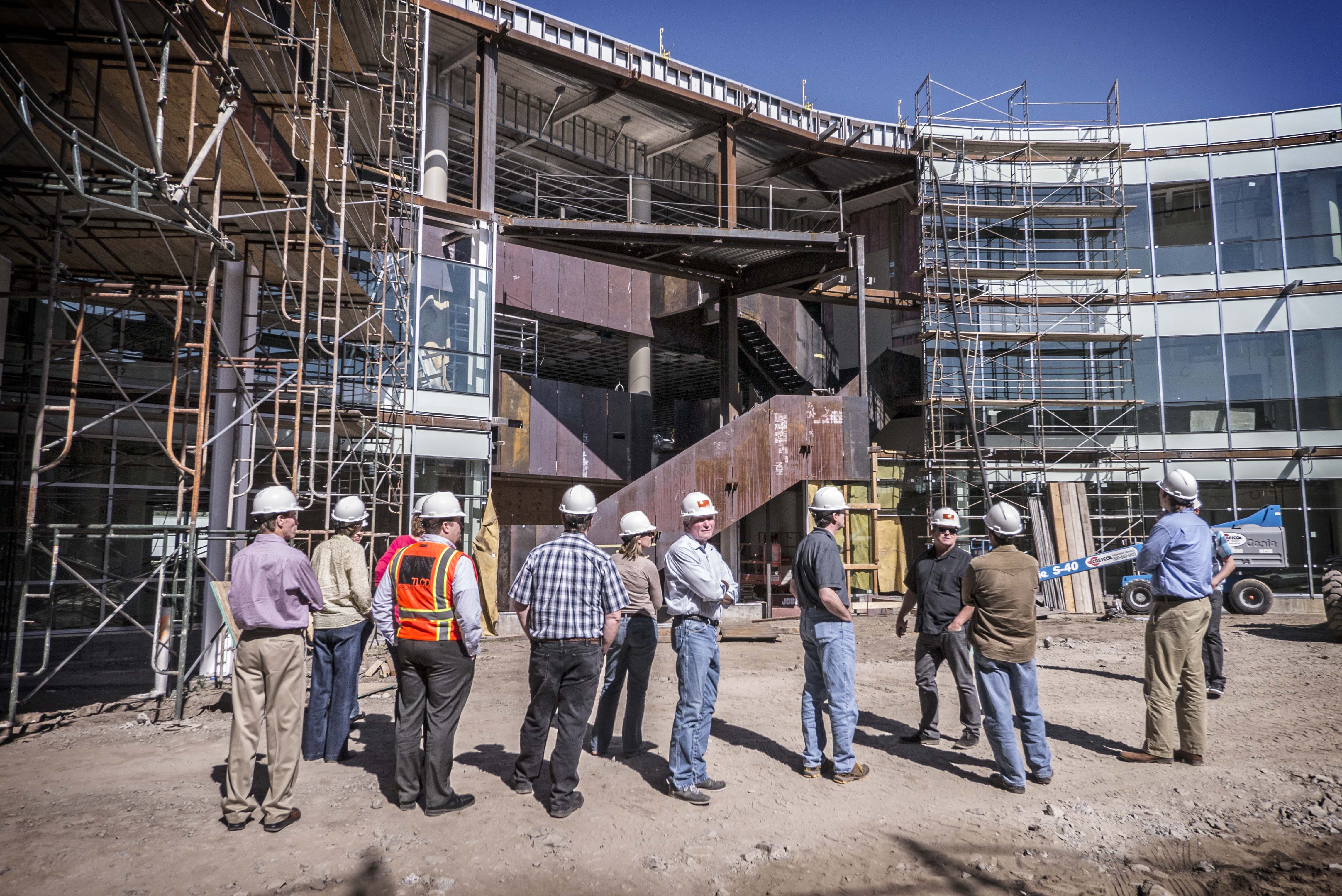
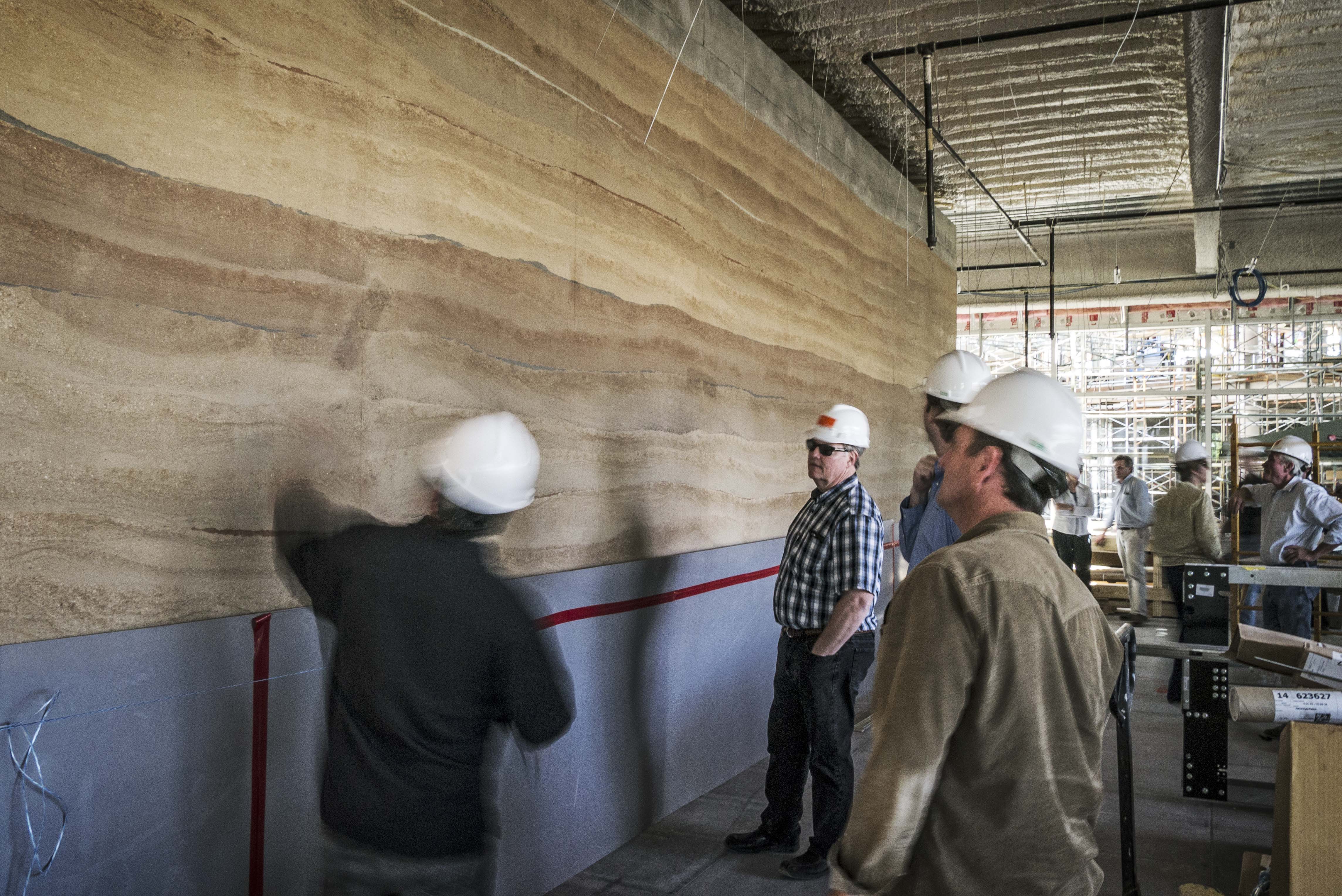
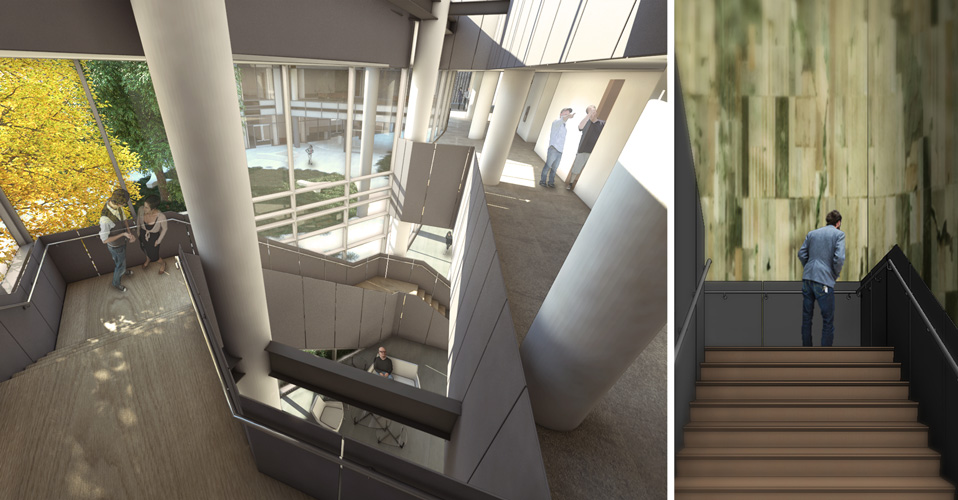
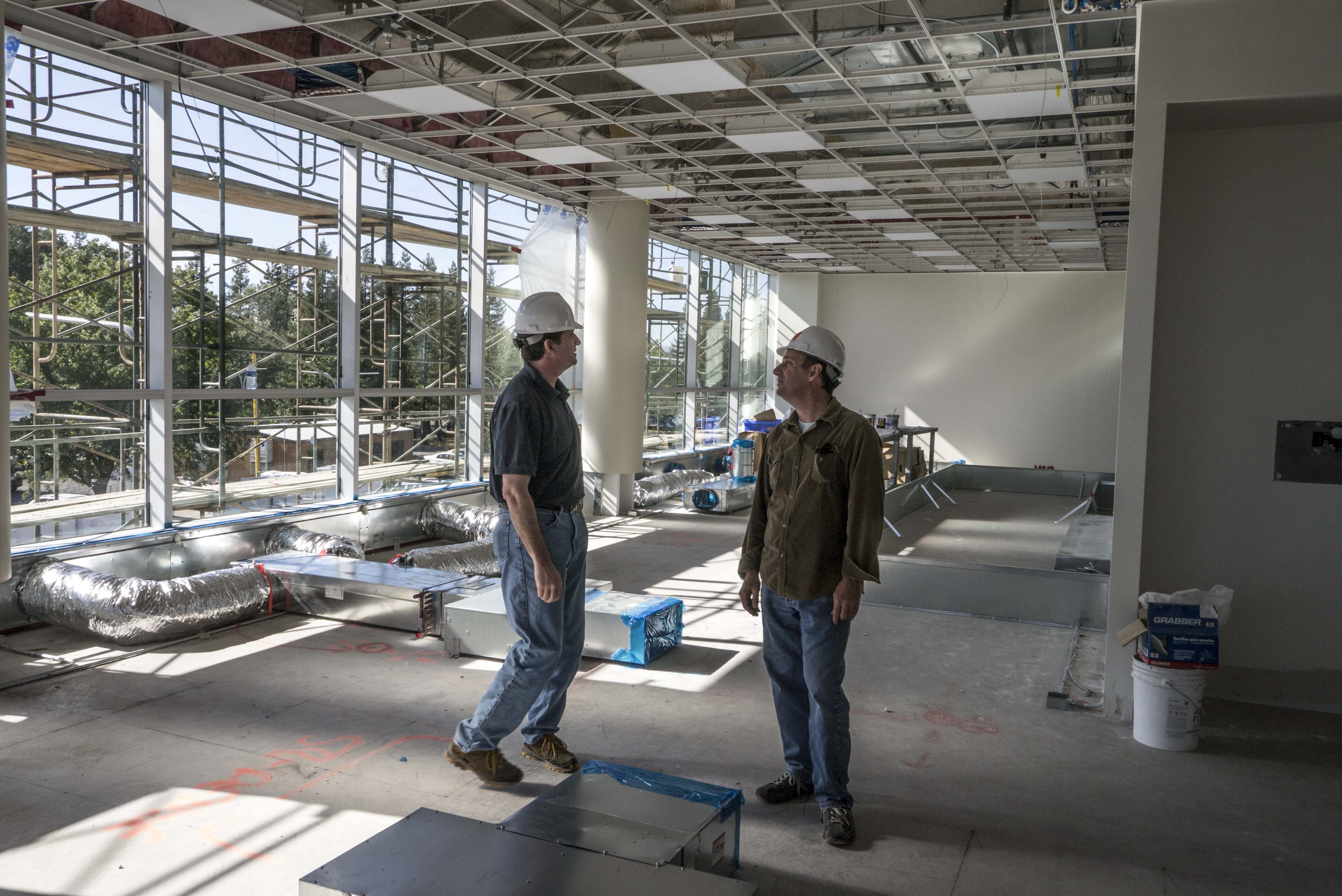
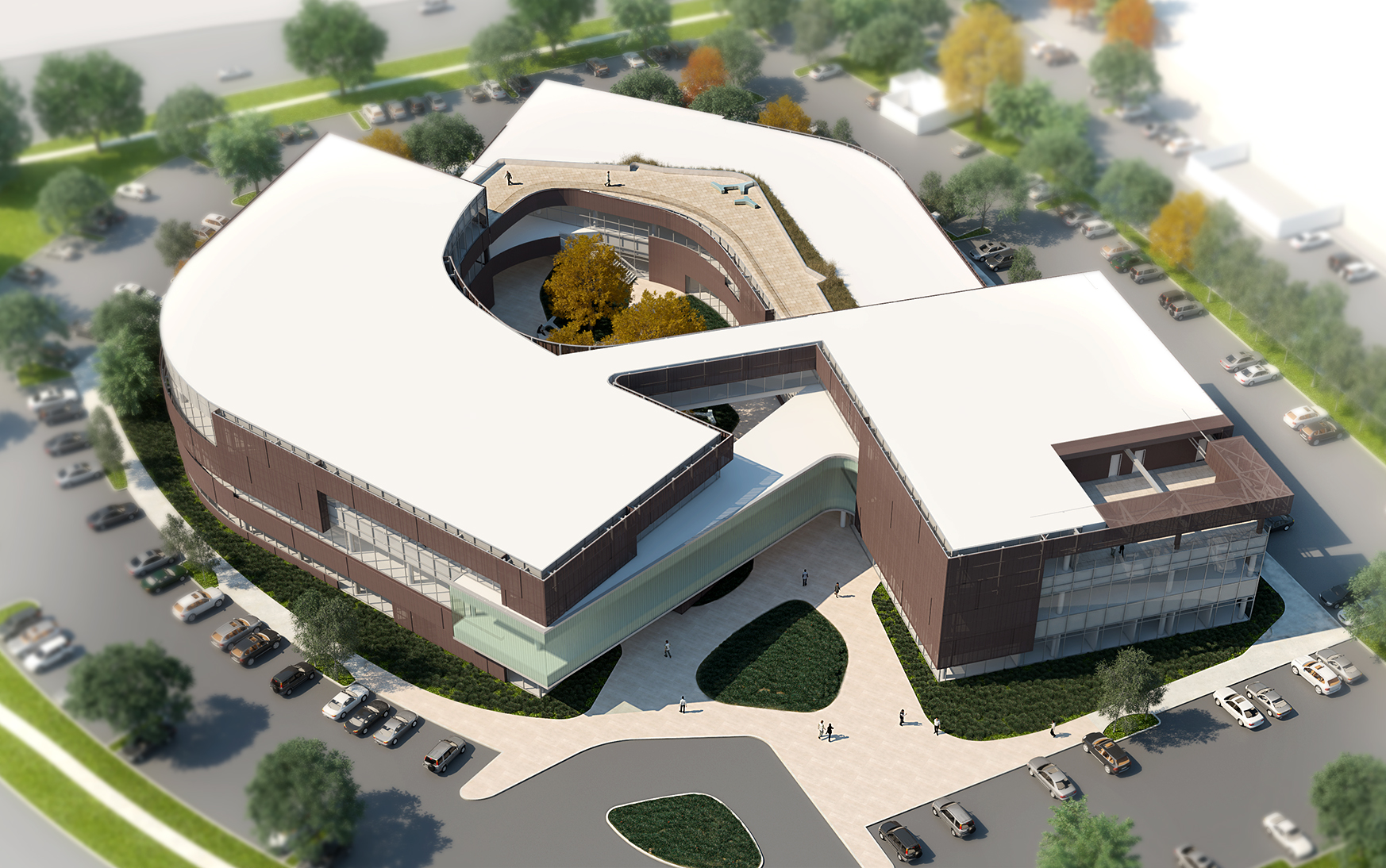
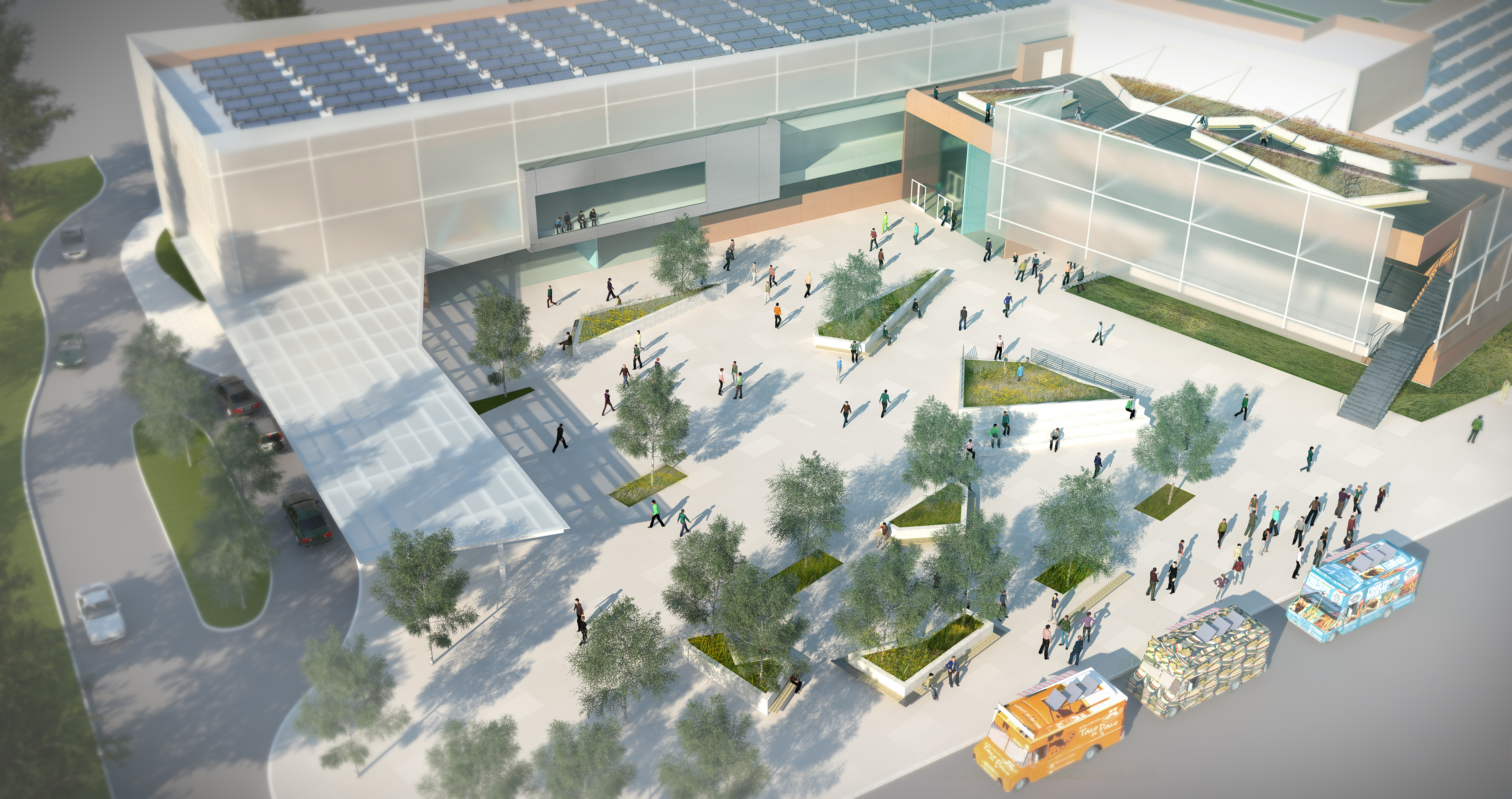
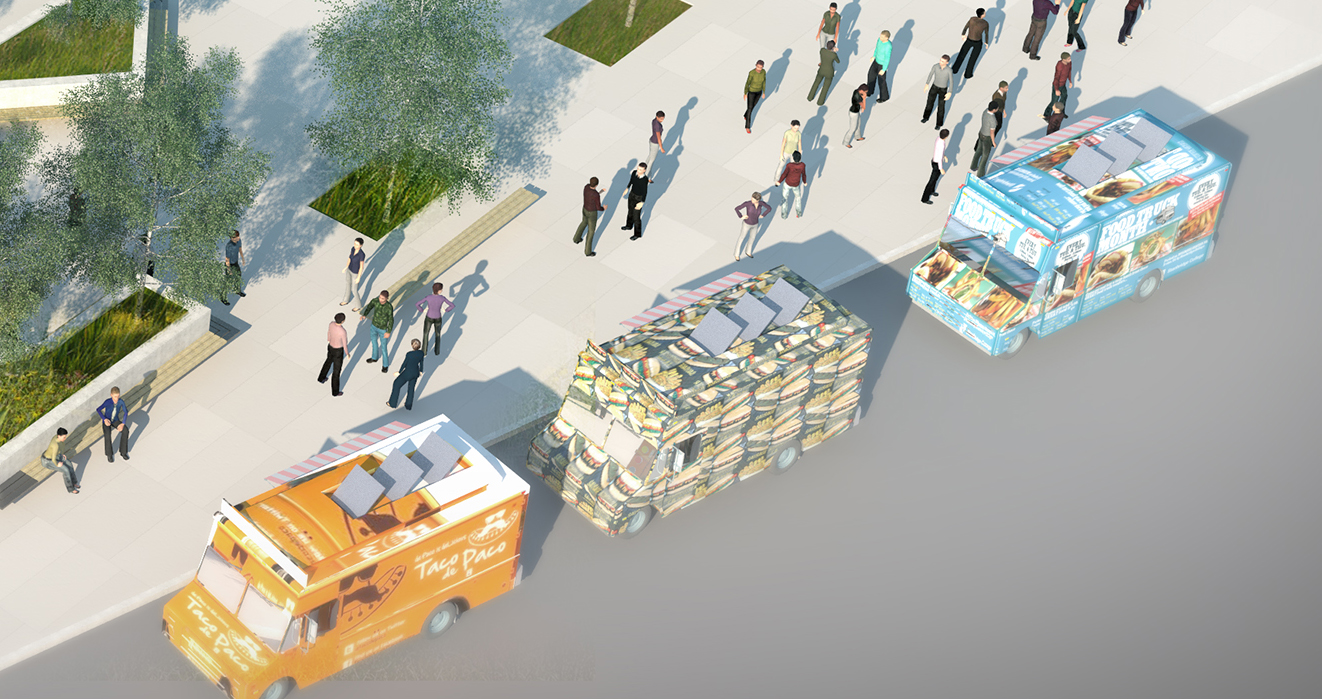
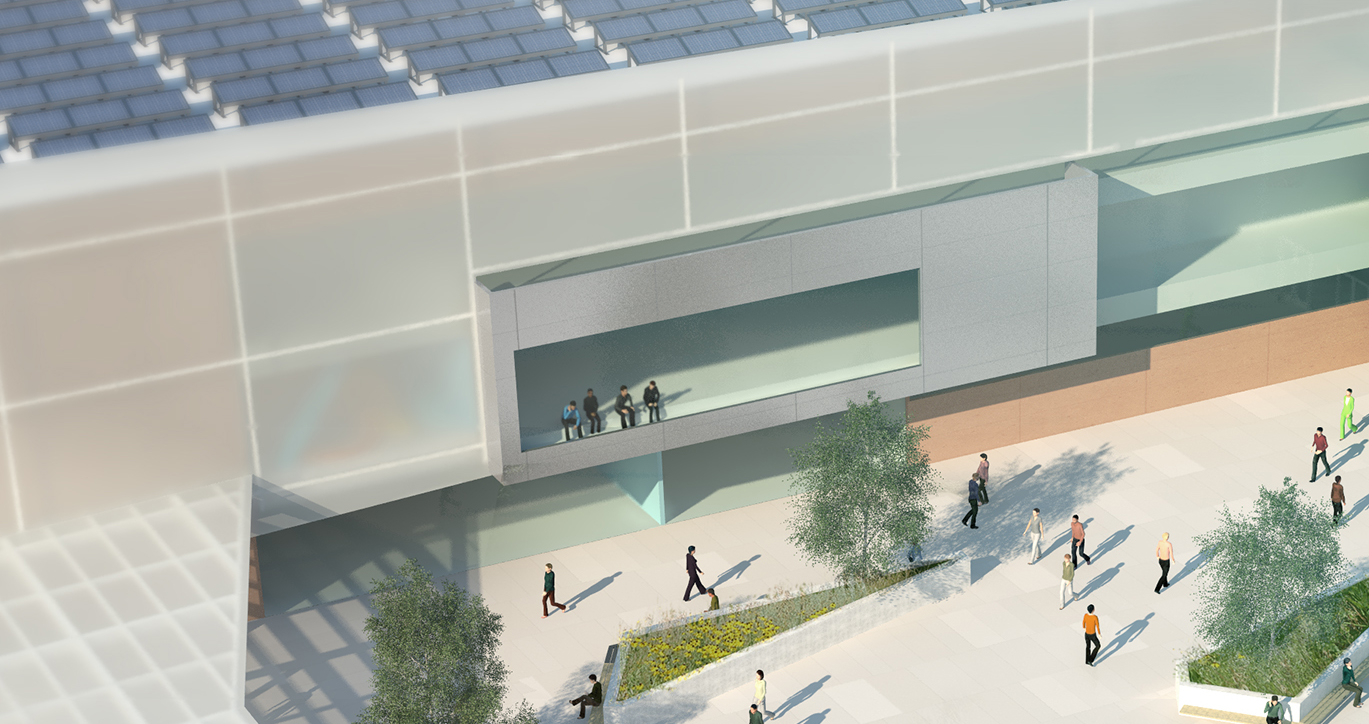
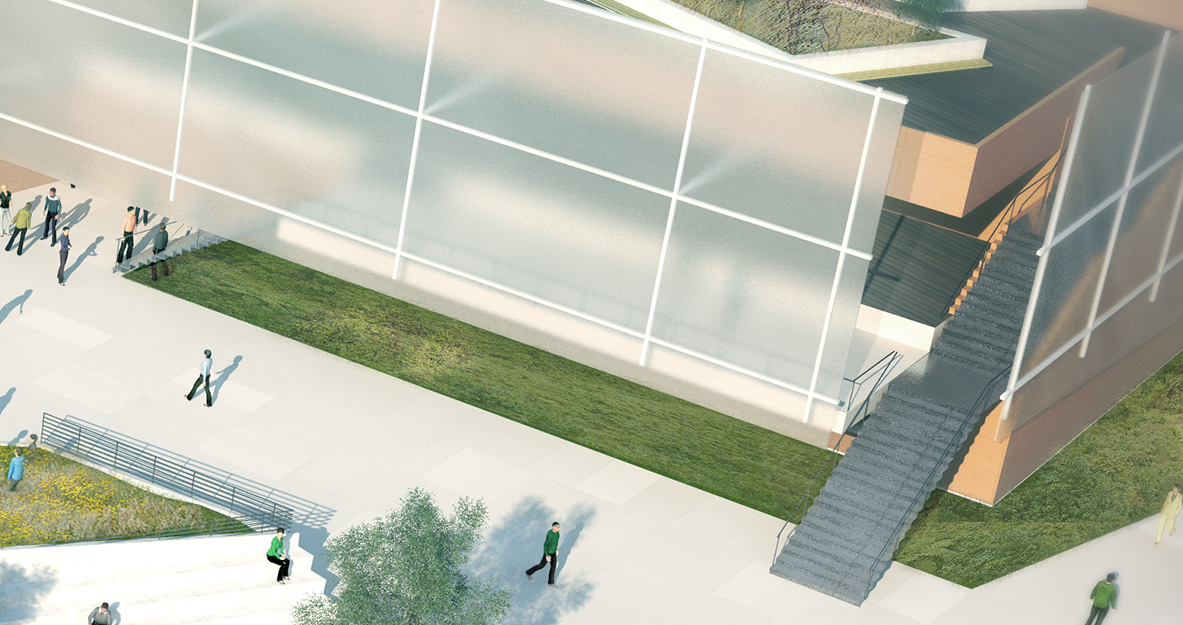
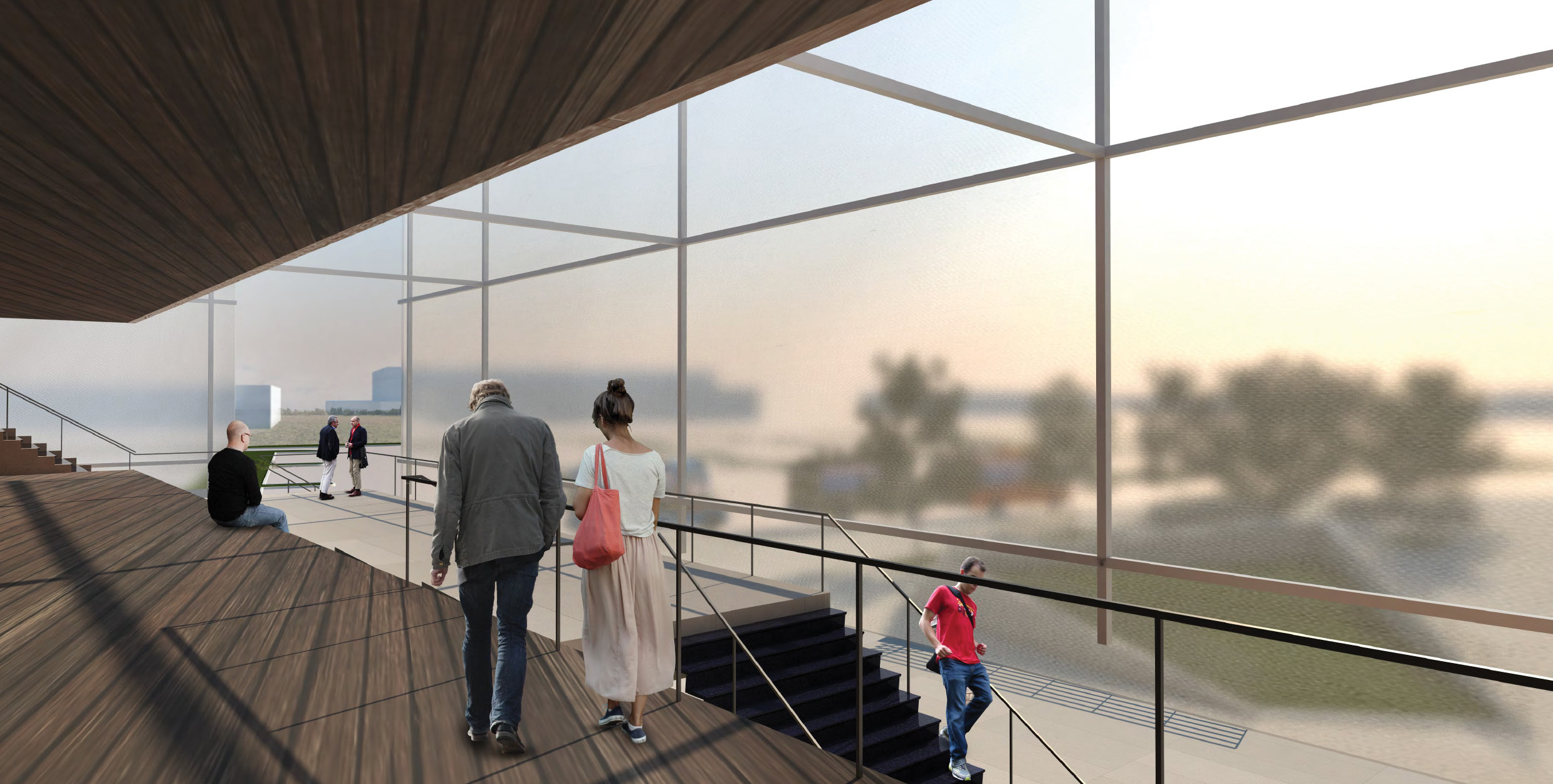
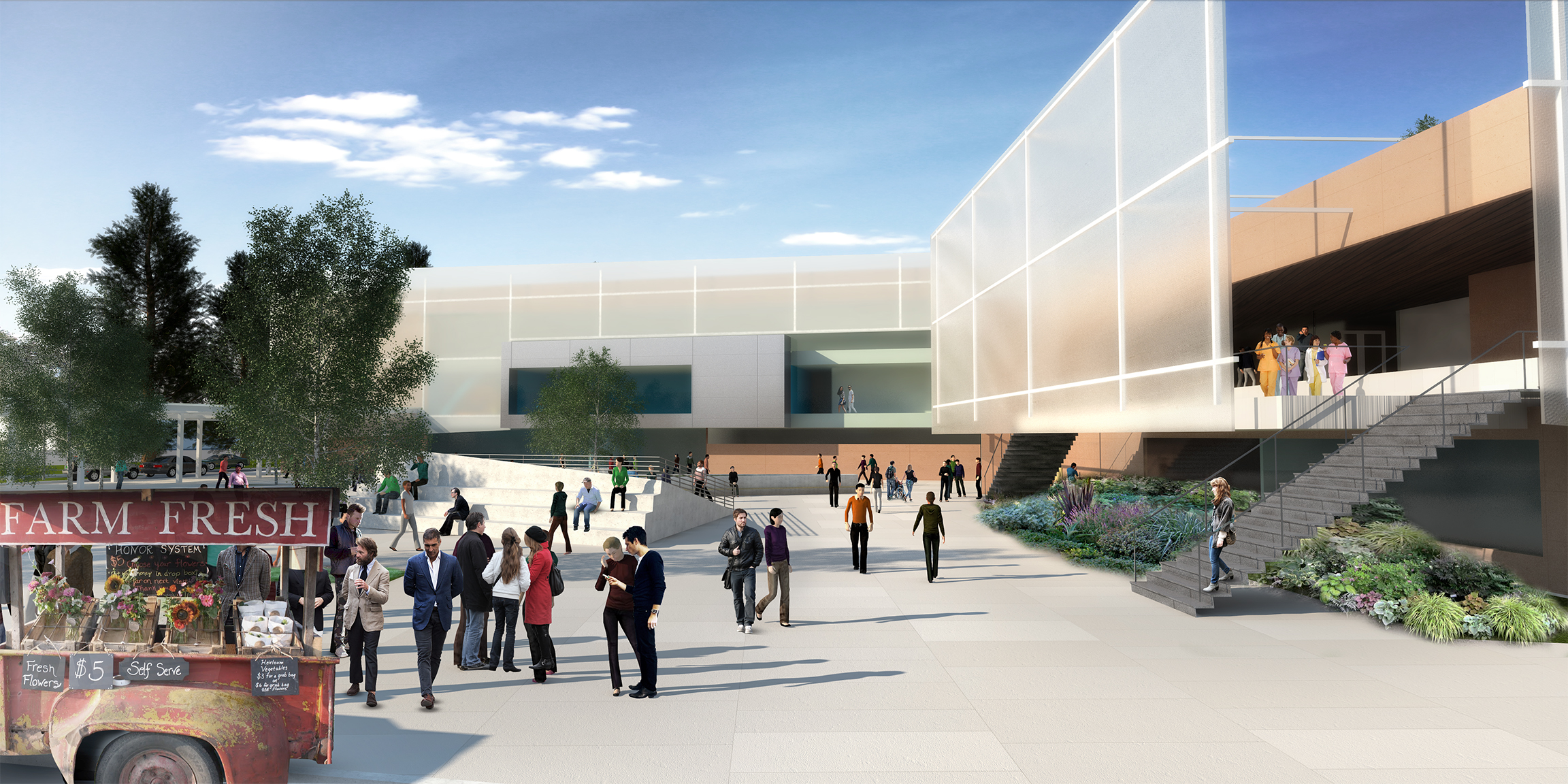
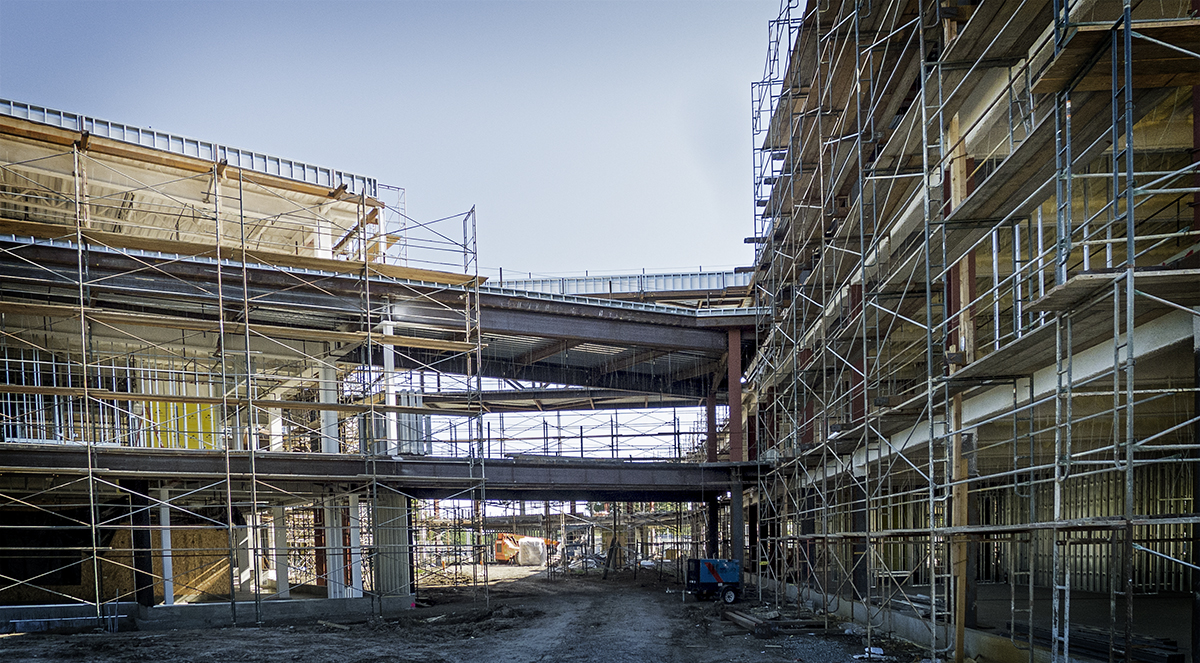
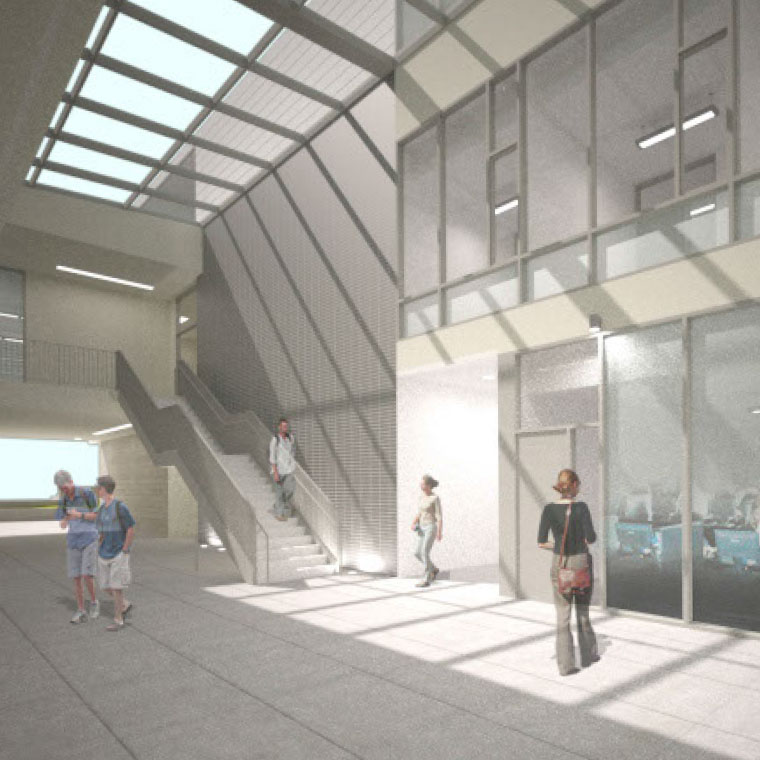
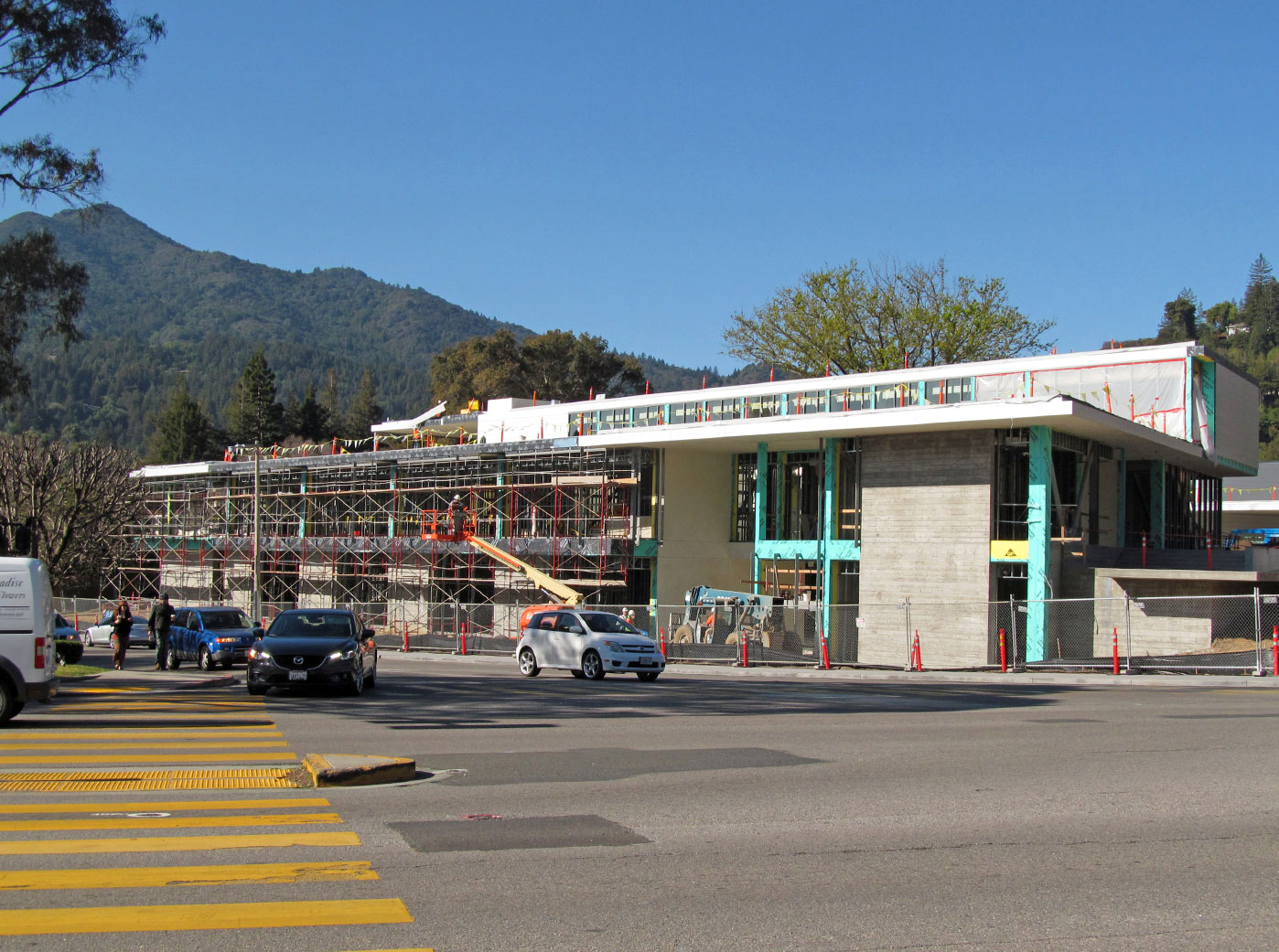
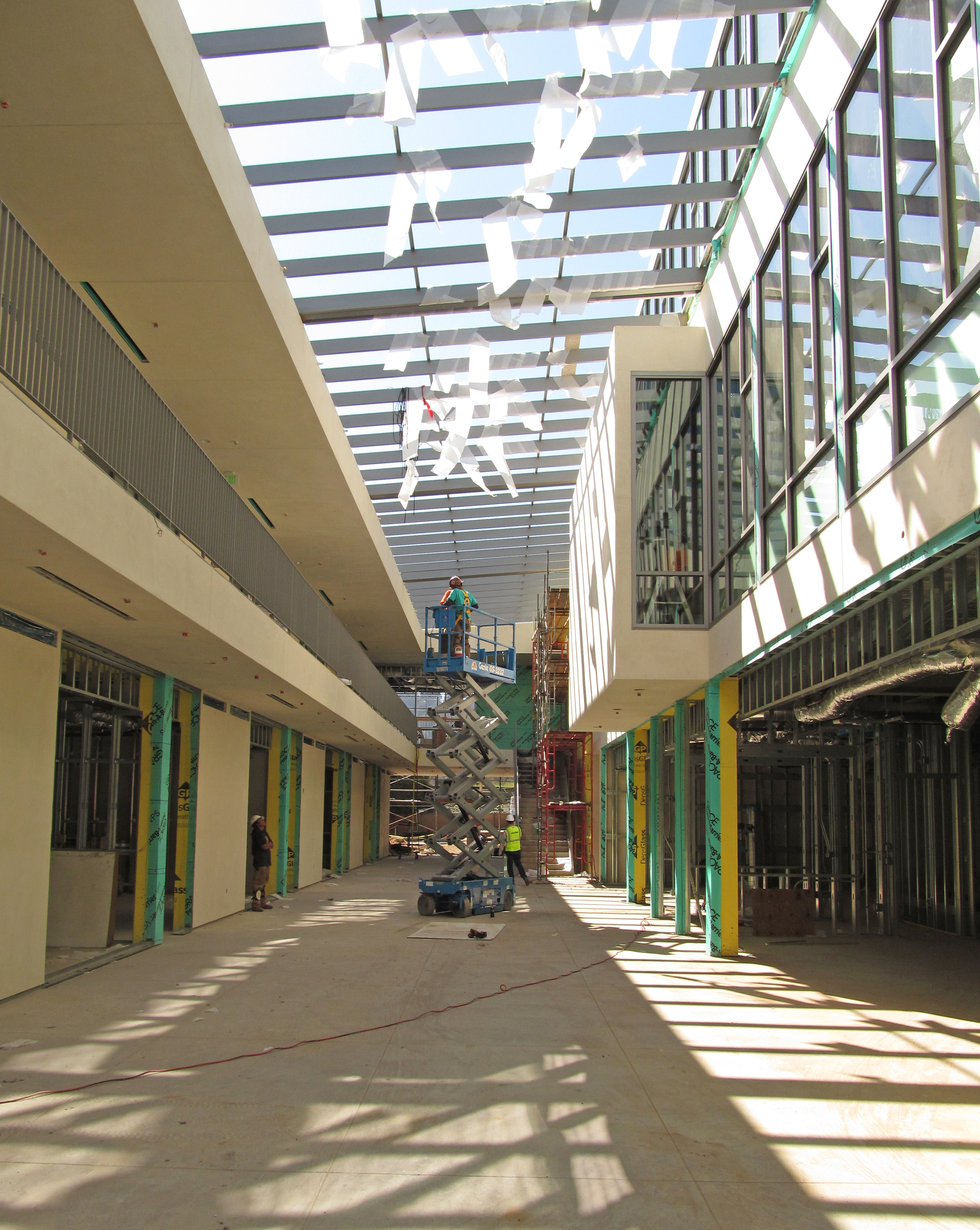
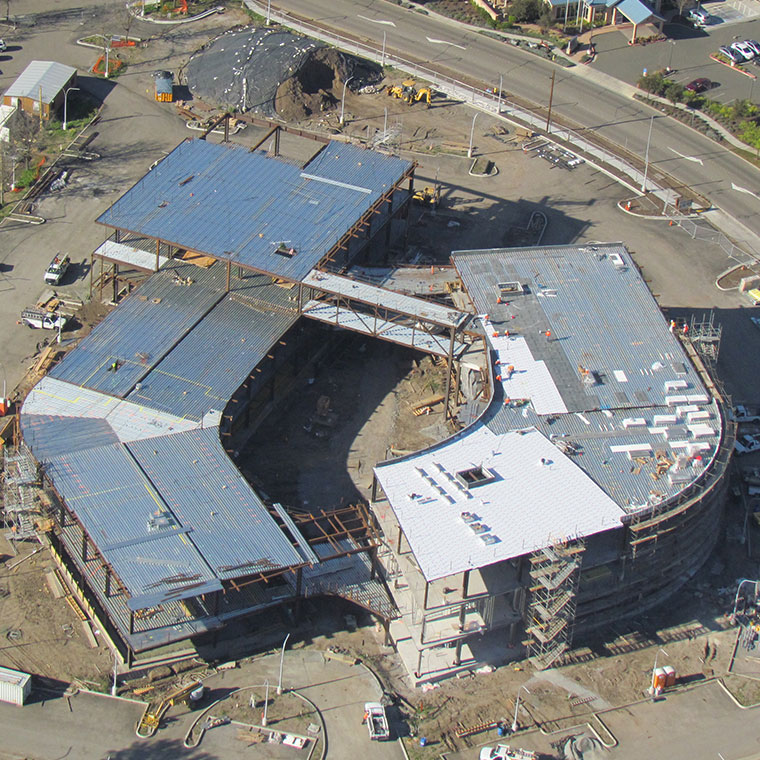
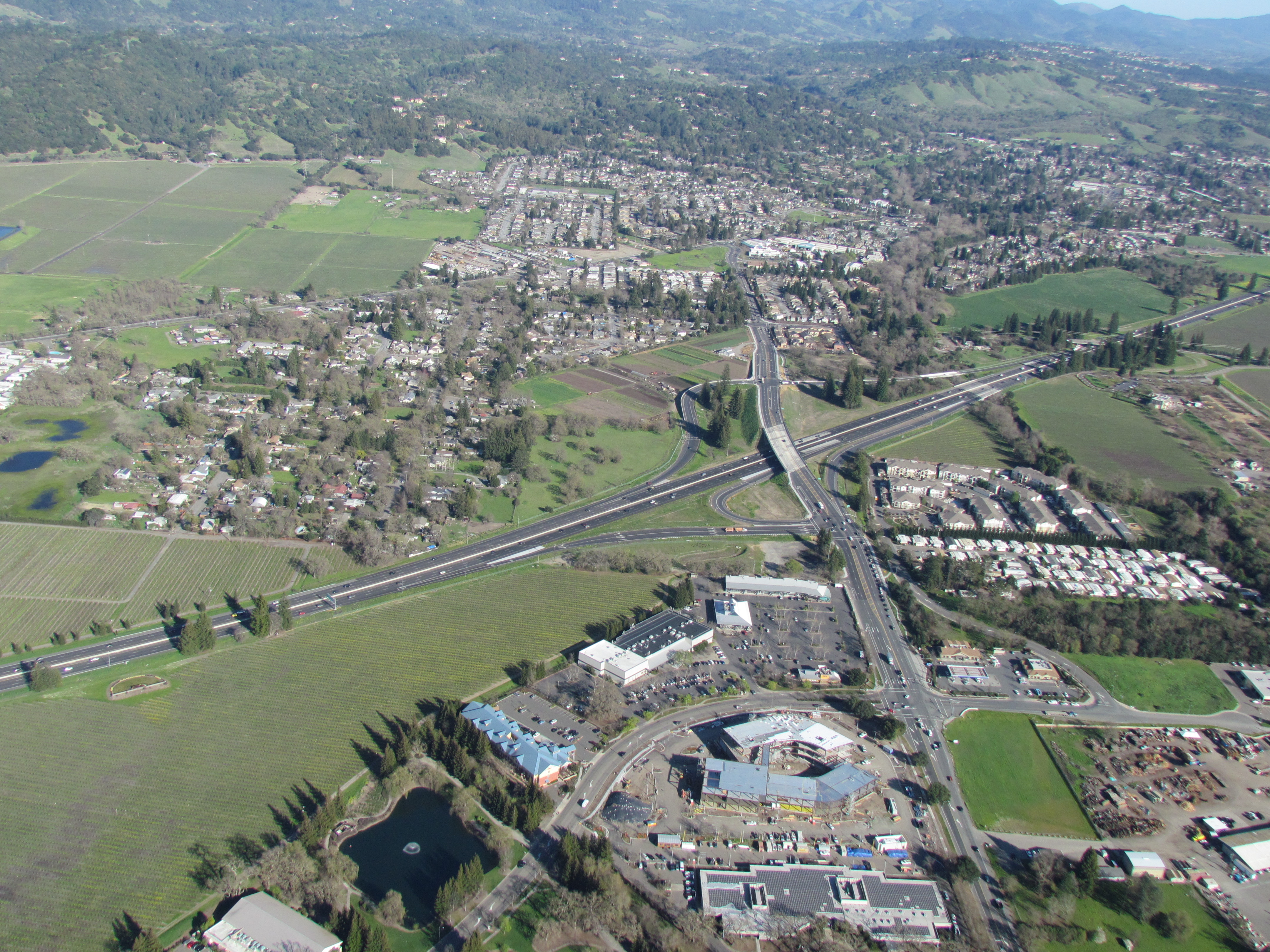
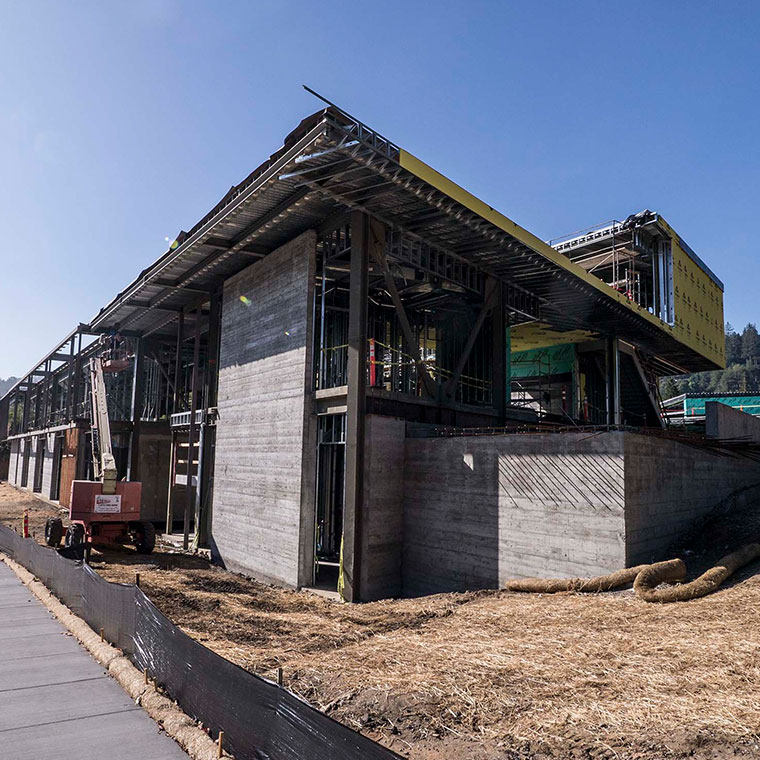
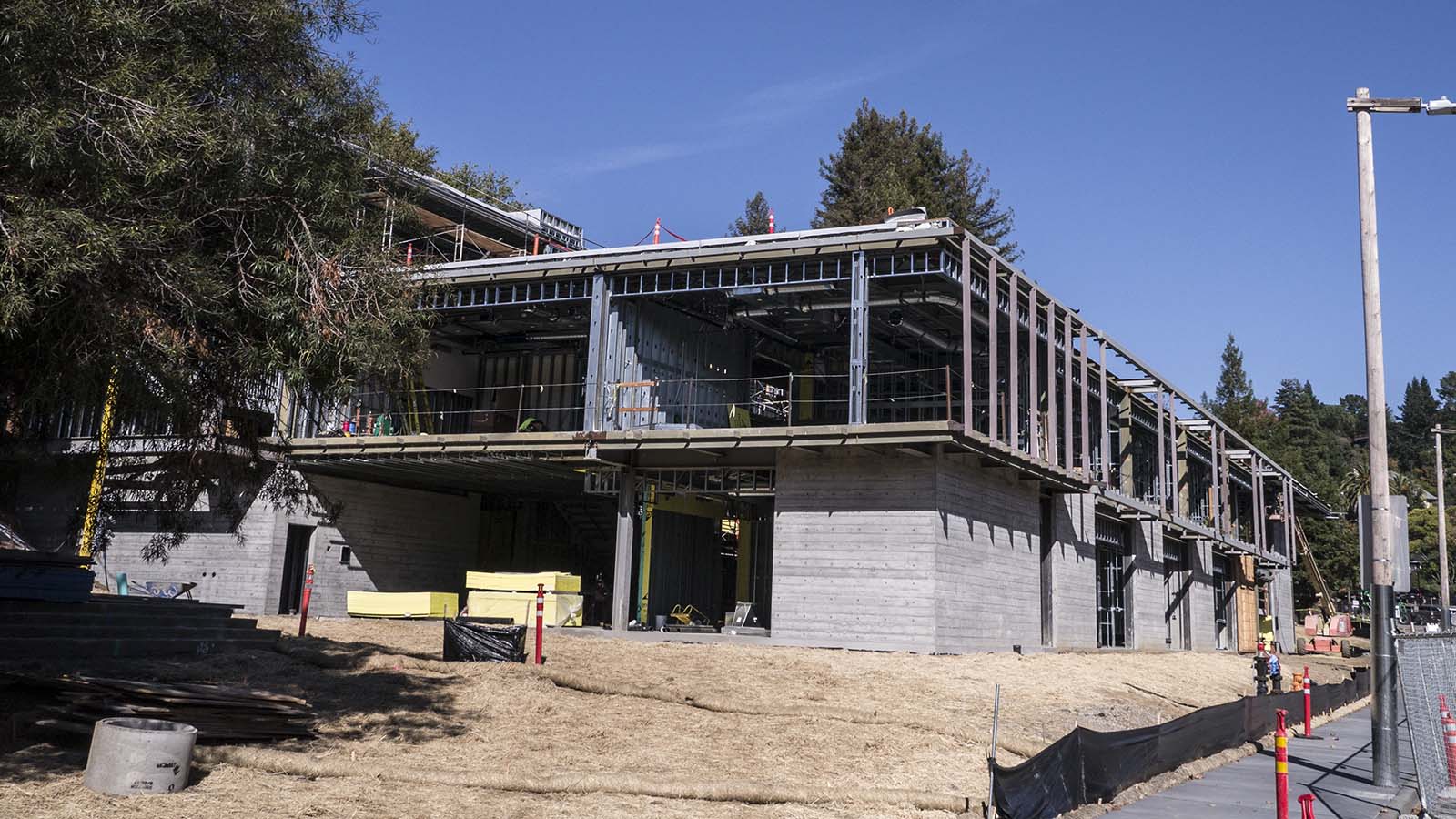
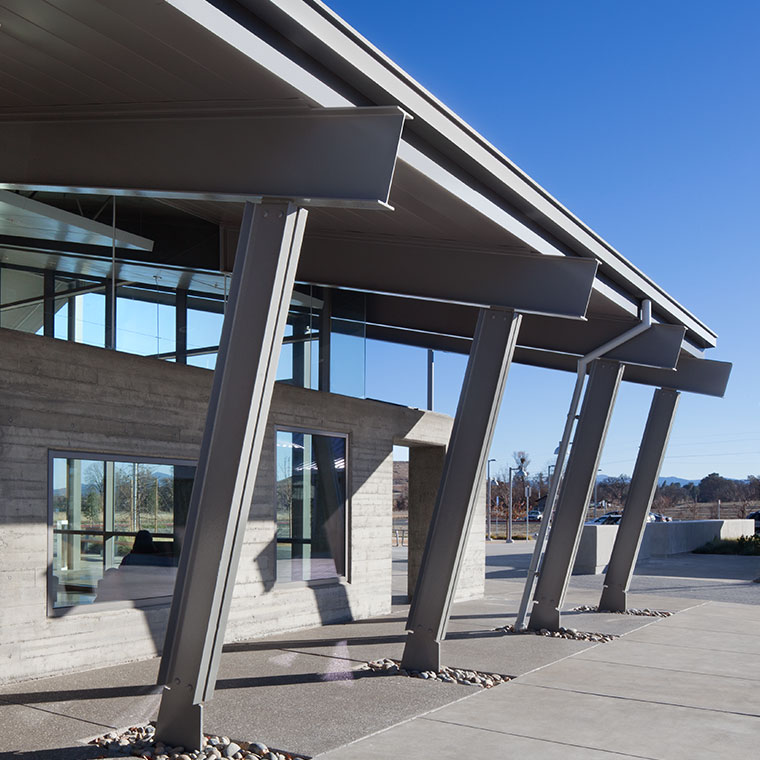
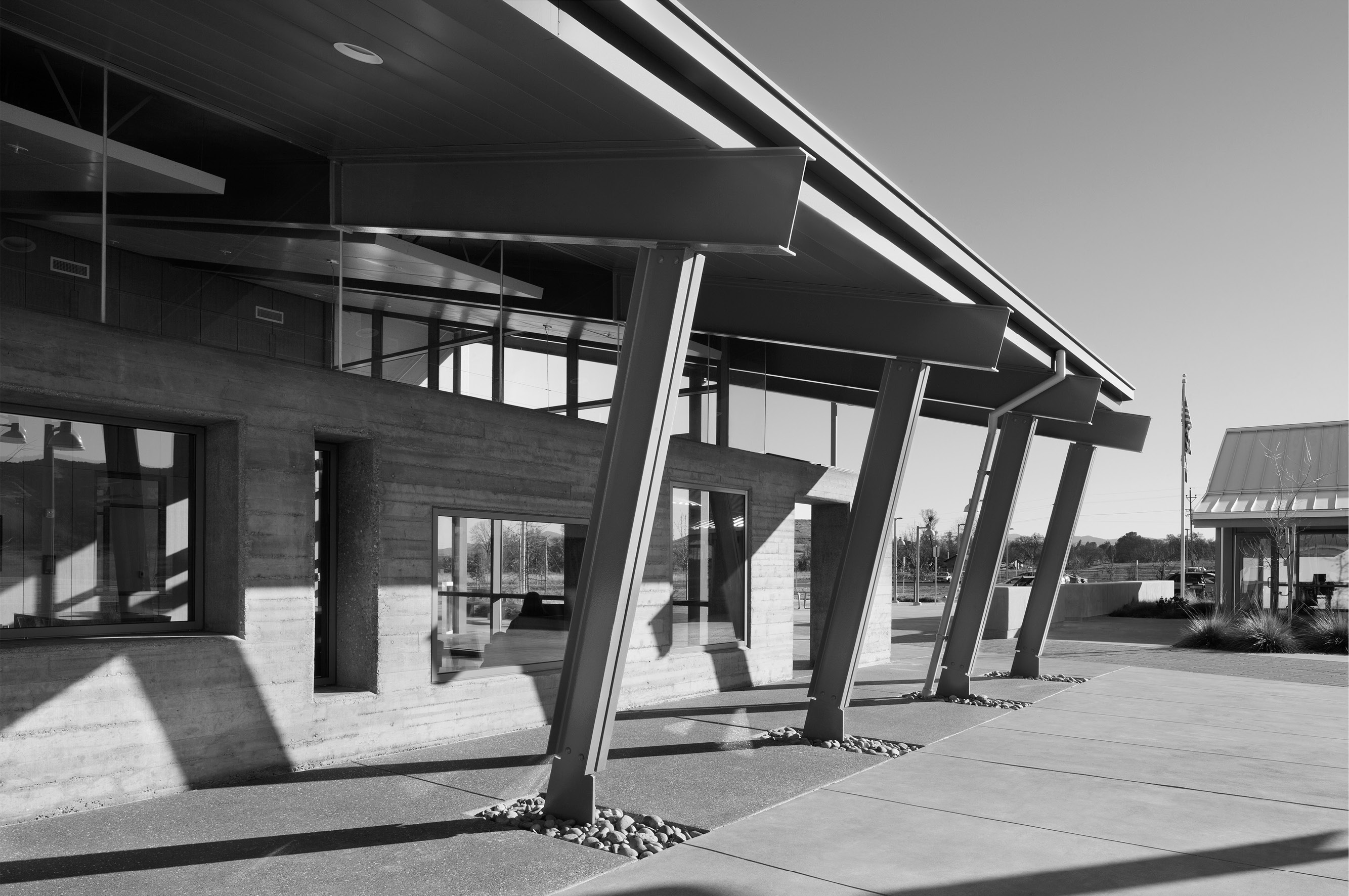
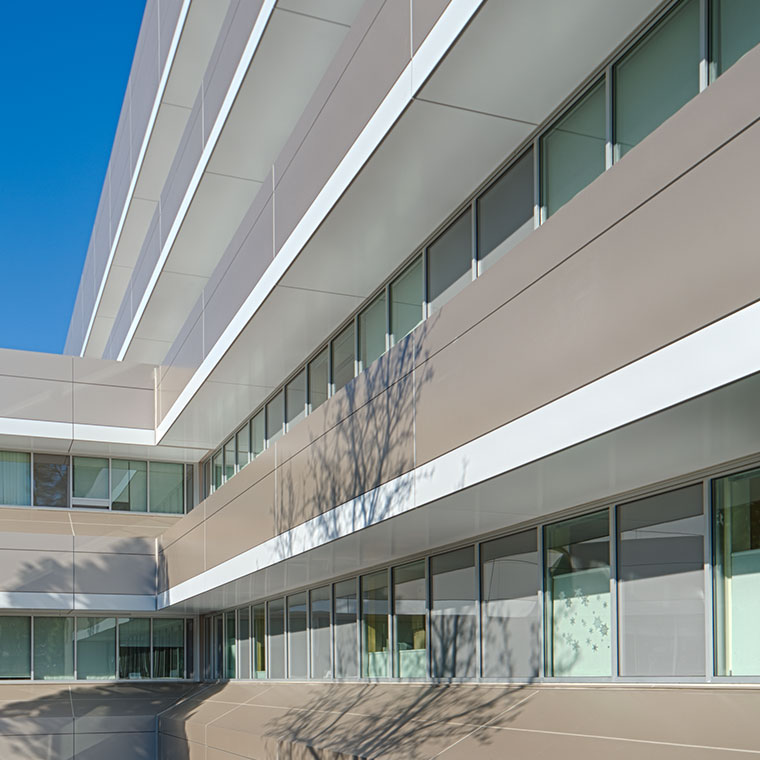
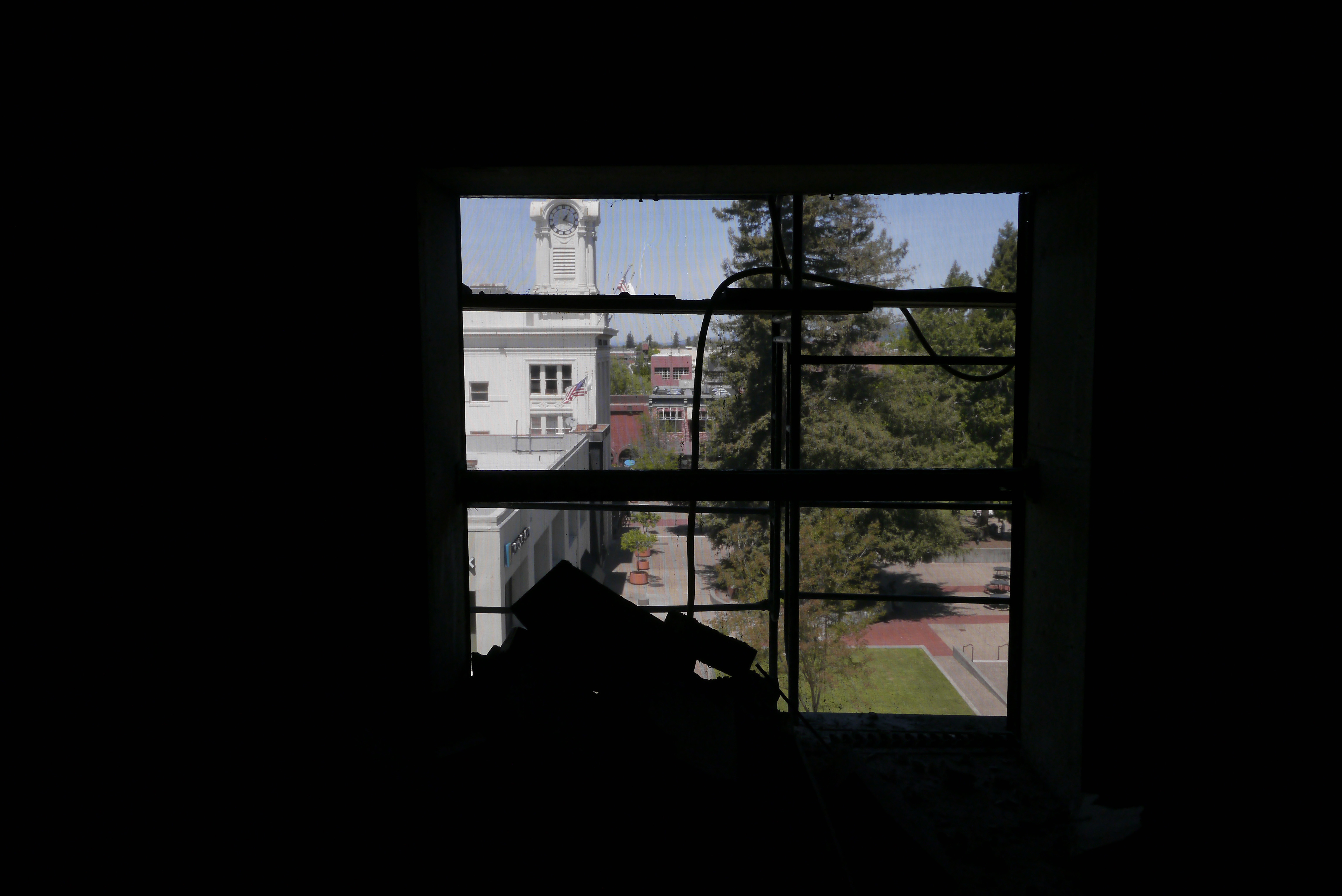
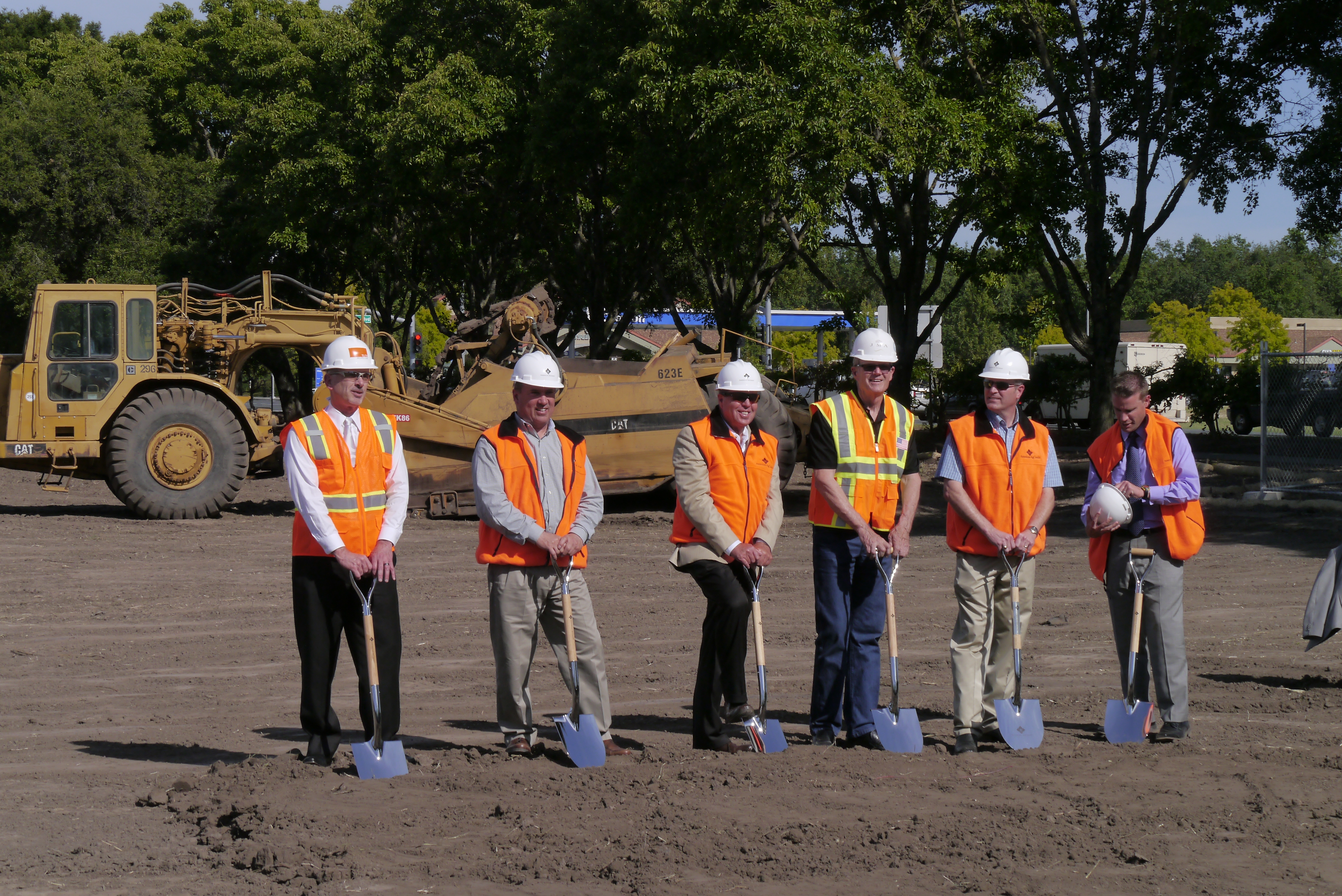
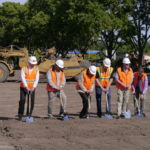
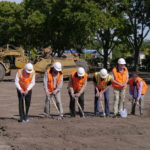
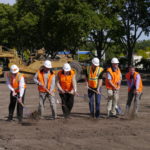
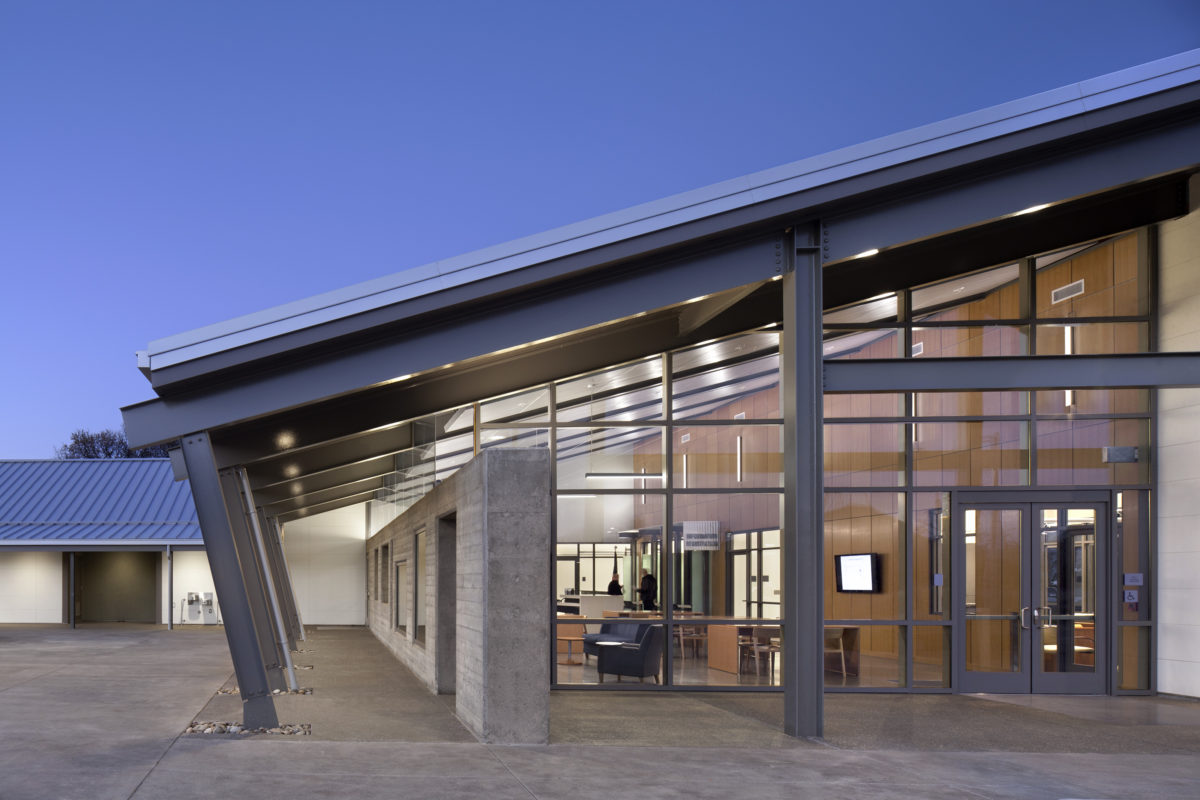
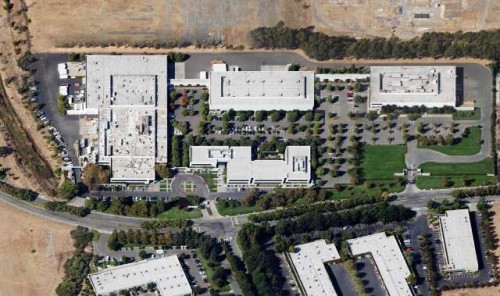
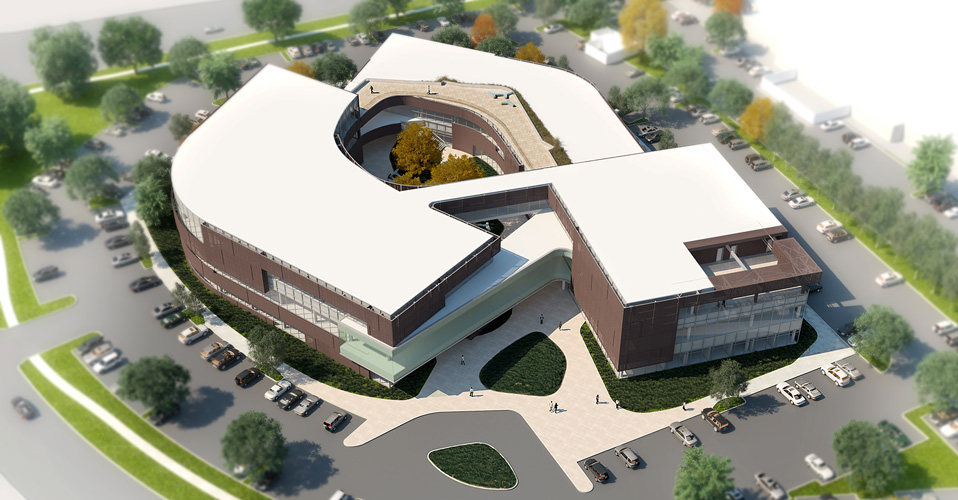
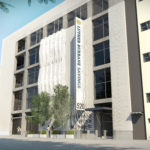
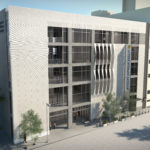
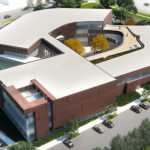
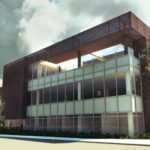
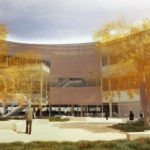
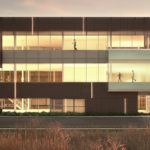
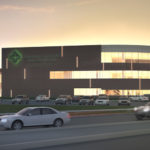
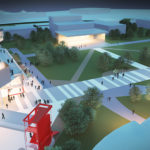
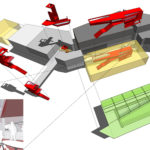
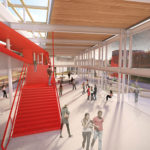
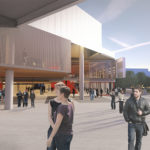
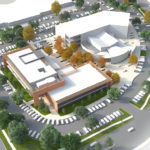
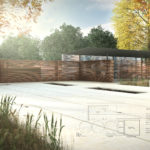
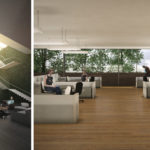
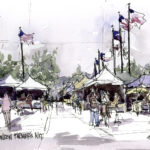
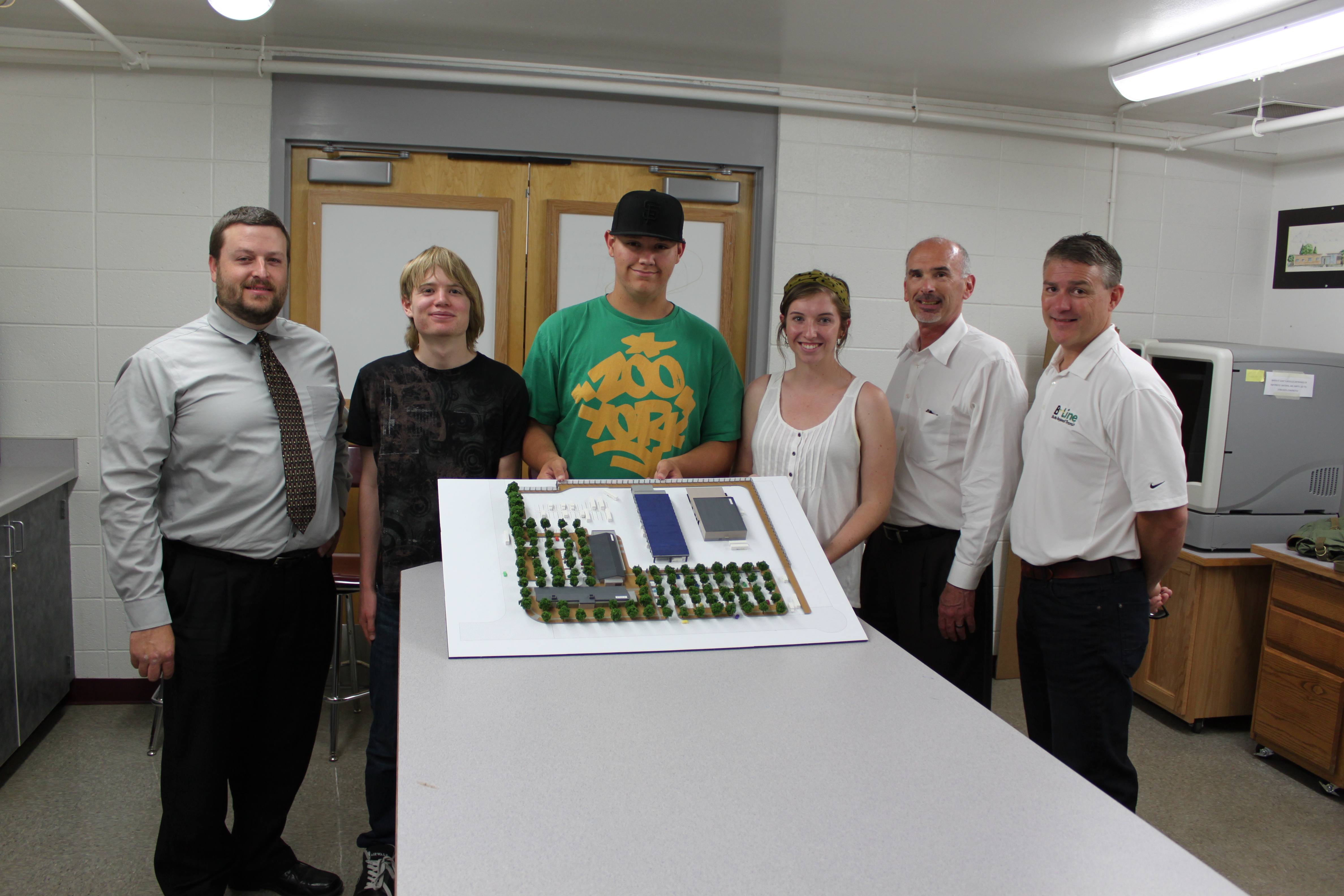
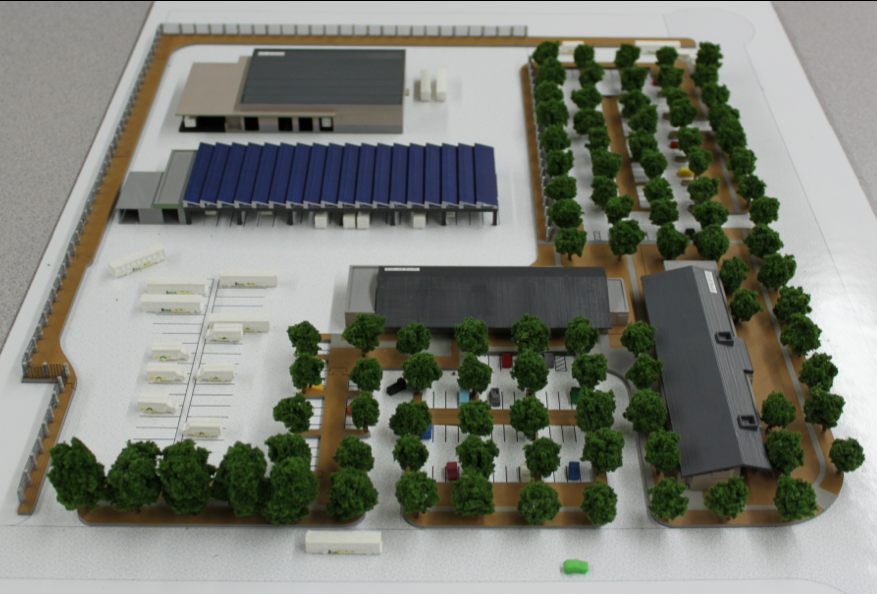
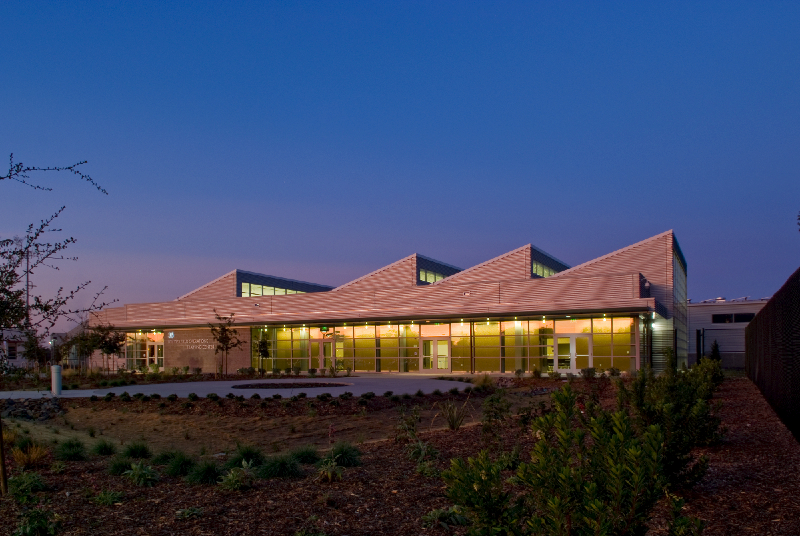
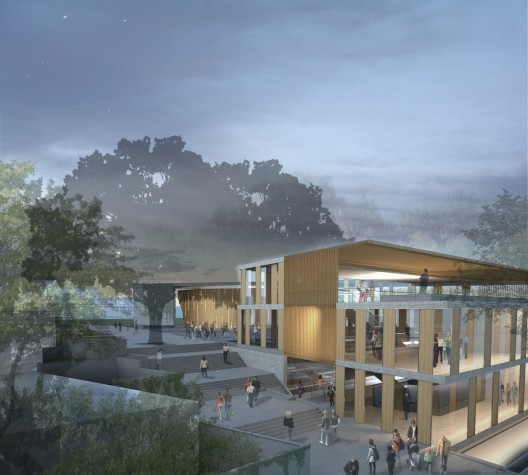
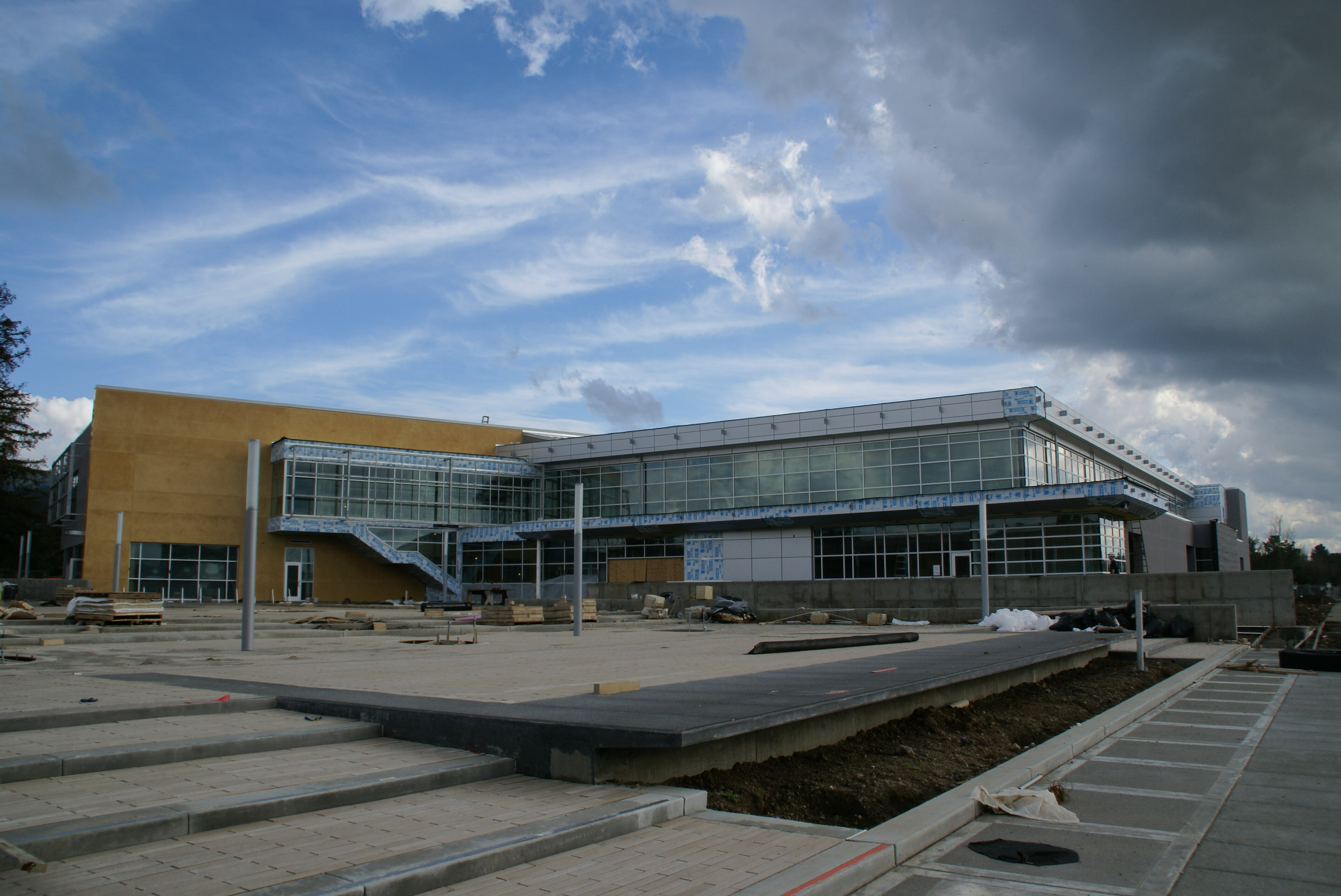
TLCD Architecture’s design for the new Butte Regional Transit Operations Center in Chico, California was finalized last week. This 50,000 square foot project will provide administrative offices for the Butte County Association of Governments, along with state-of-the-art bus operational and maintenance facilities for its countywide B-Line bus system.

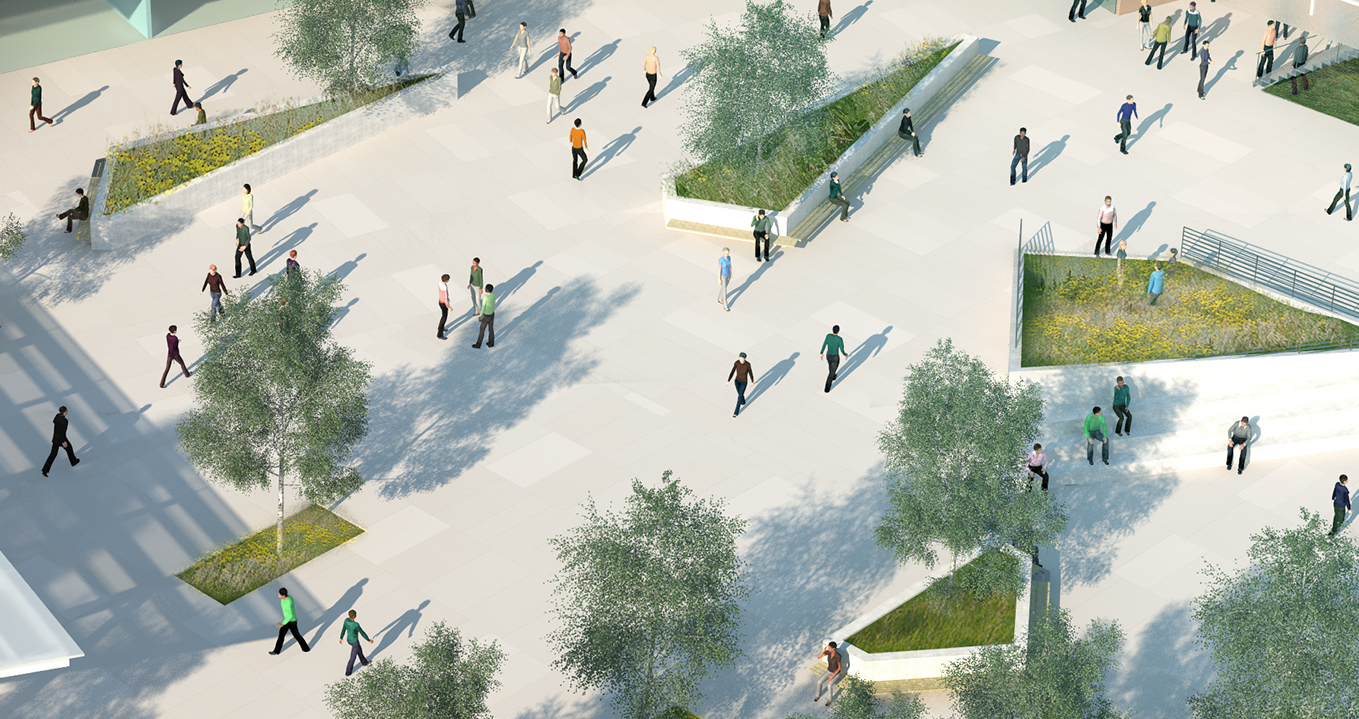
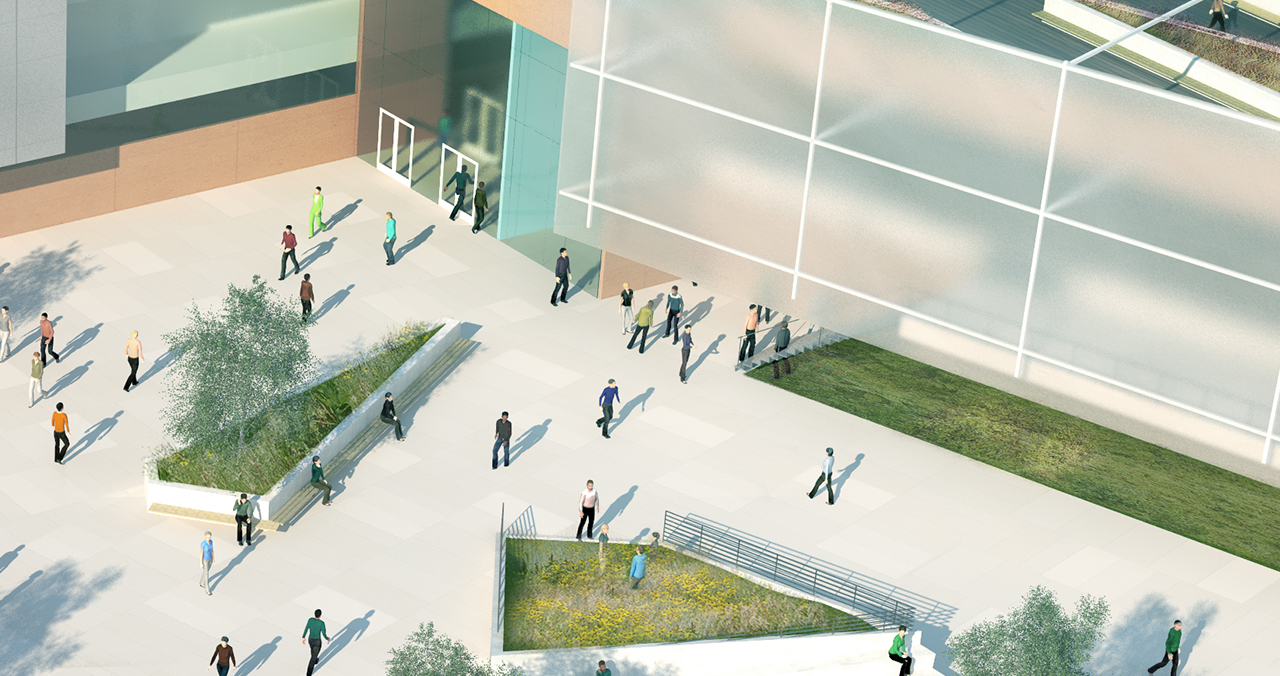
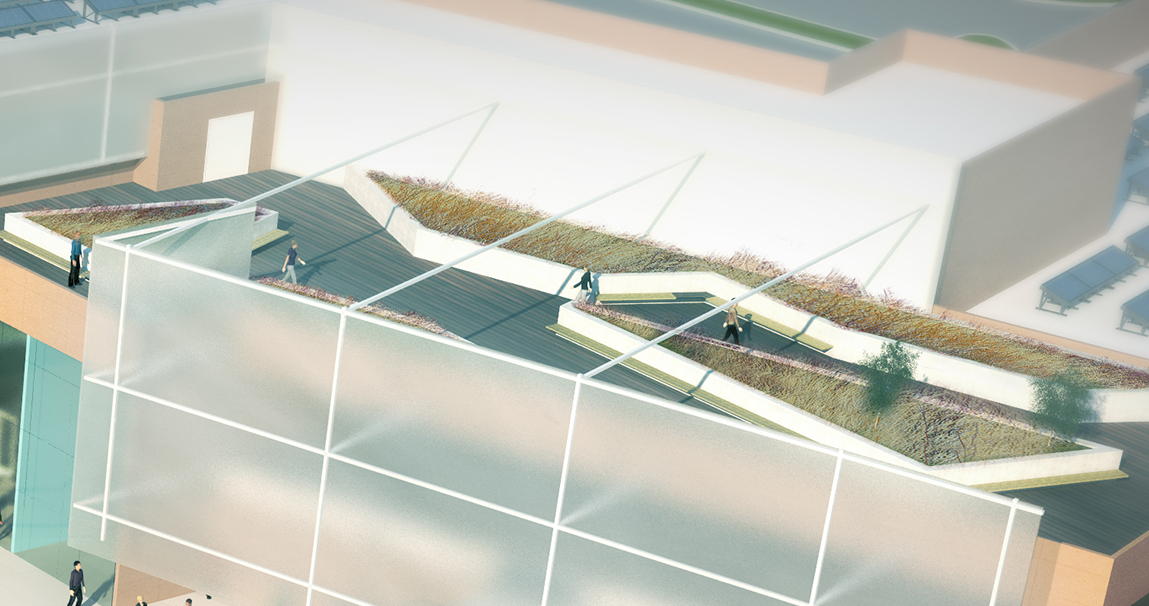
The project design was strongly influenced by nearby orchards and agricultural architecture. An “orchard” of trees will cover much of the site, reflecting the Almond and Walnut orchards that characterize the landscape in the surrounding area. This orchard provides shade to outdoor areas, parking, and buildings, and is a dominant visual feature. Linear plantings of shrubs and glasses recall row crops found in nearby orchards. Building forms are simple, with exterior materials that are inspired by local agricultural buildings.

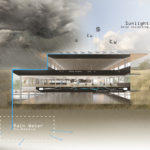
This project is design to LEED Silver level. A highly efficient HVAC system design will greatly reduce summer cooling costs, and a photovoltaic array will provide most the electric power needs of the facility. Radiant floor slab heating will be used in the bus maintenance building to provide a comfortable work environment for mechanics, and displacement ventilation will be used in the project’s two administrative buildings.

This project is slated to begin construction in June of 2014 and is expected to be complete by summer of the following year.

3 TLCD Projects Receive NBBJ Top Project Awards

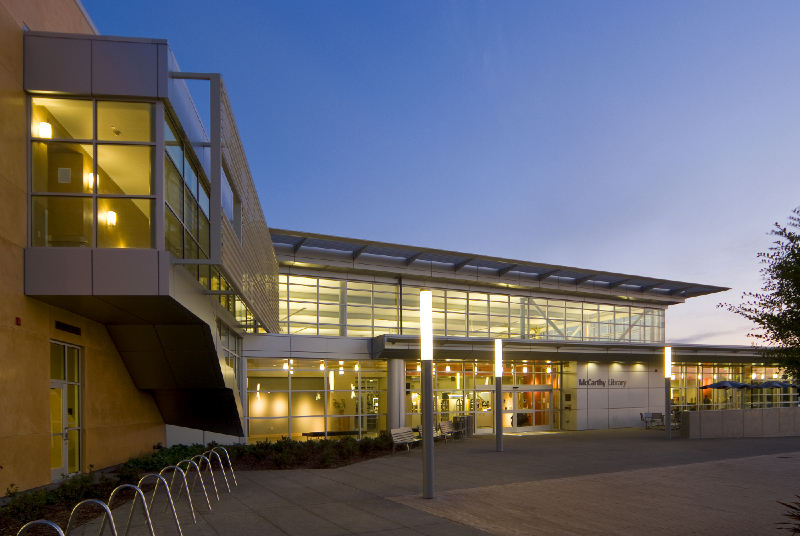
Mendocino College Library and Learning Resource Center

Mendocino College Library and Learning Resource Center

Last evening 3 of TLCD Architecture’s projects were recognized by the North Bay Business Journal as Top Projects in the region.  Each year the Business Journal recognizes outstanding projects in the North Bay in several categories.

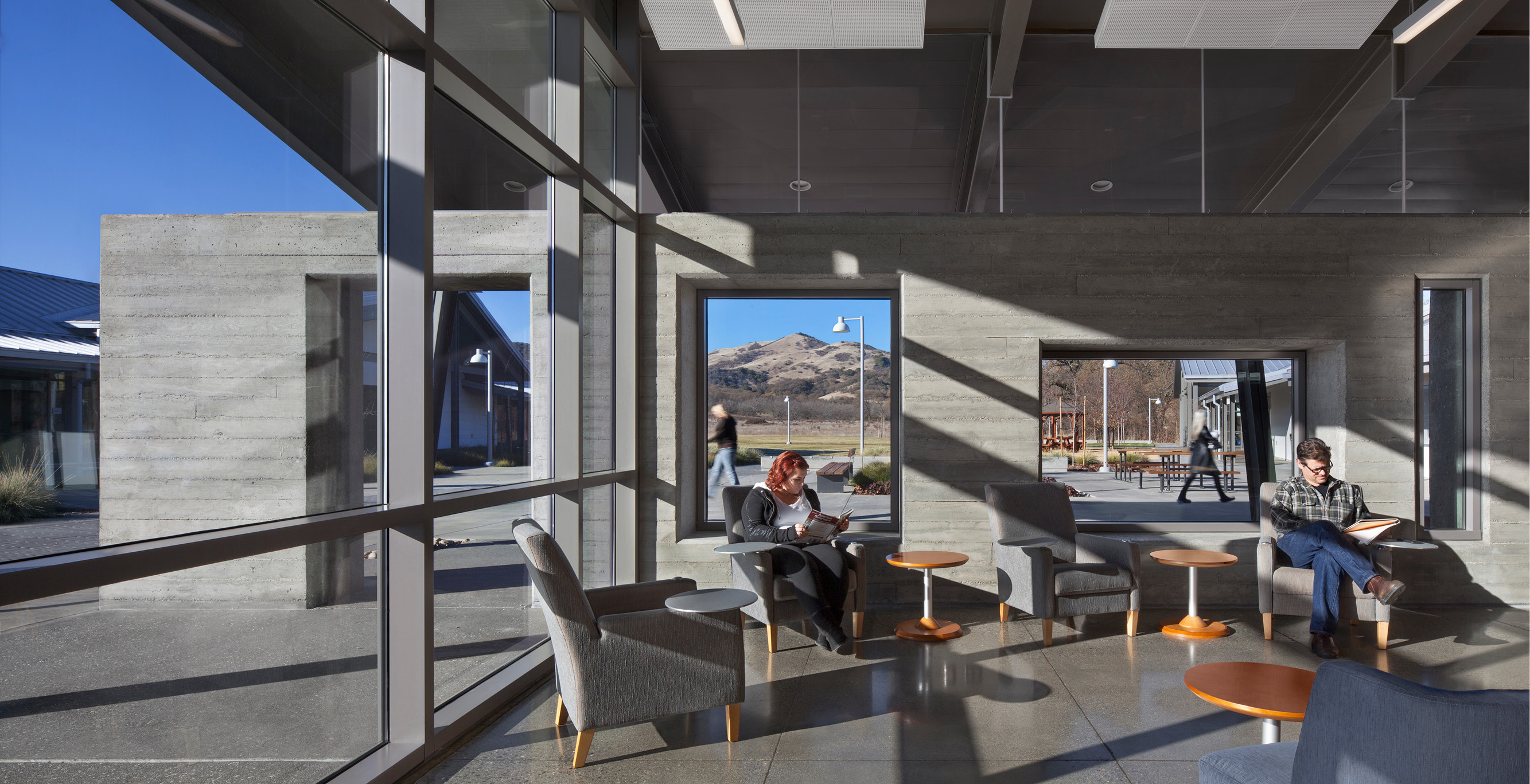
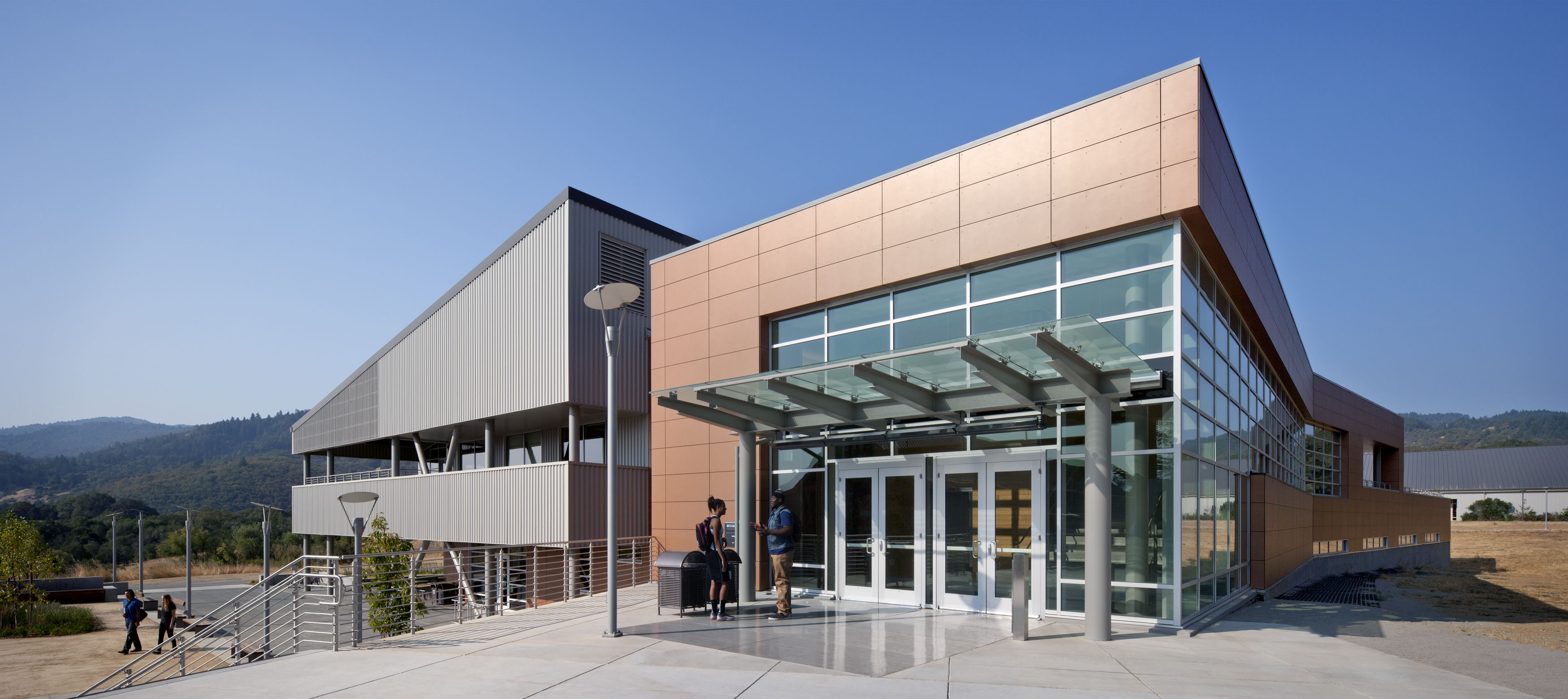
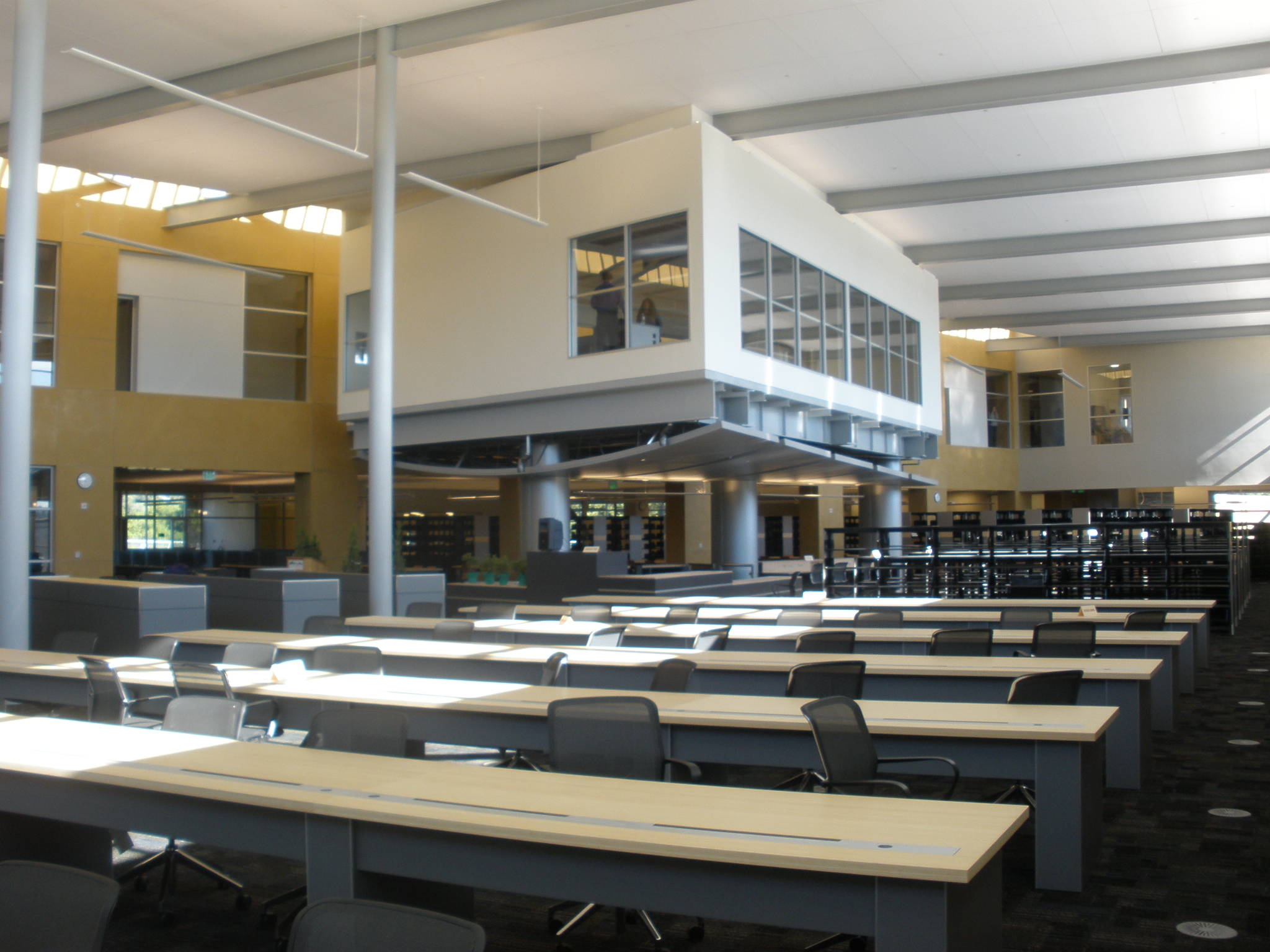
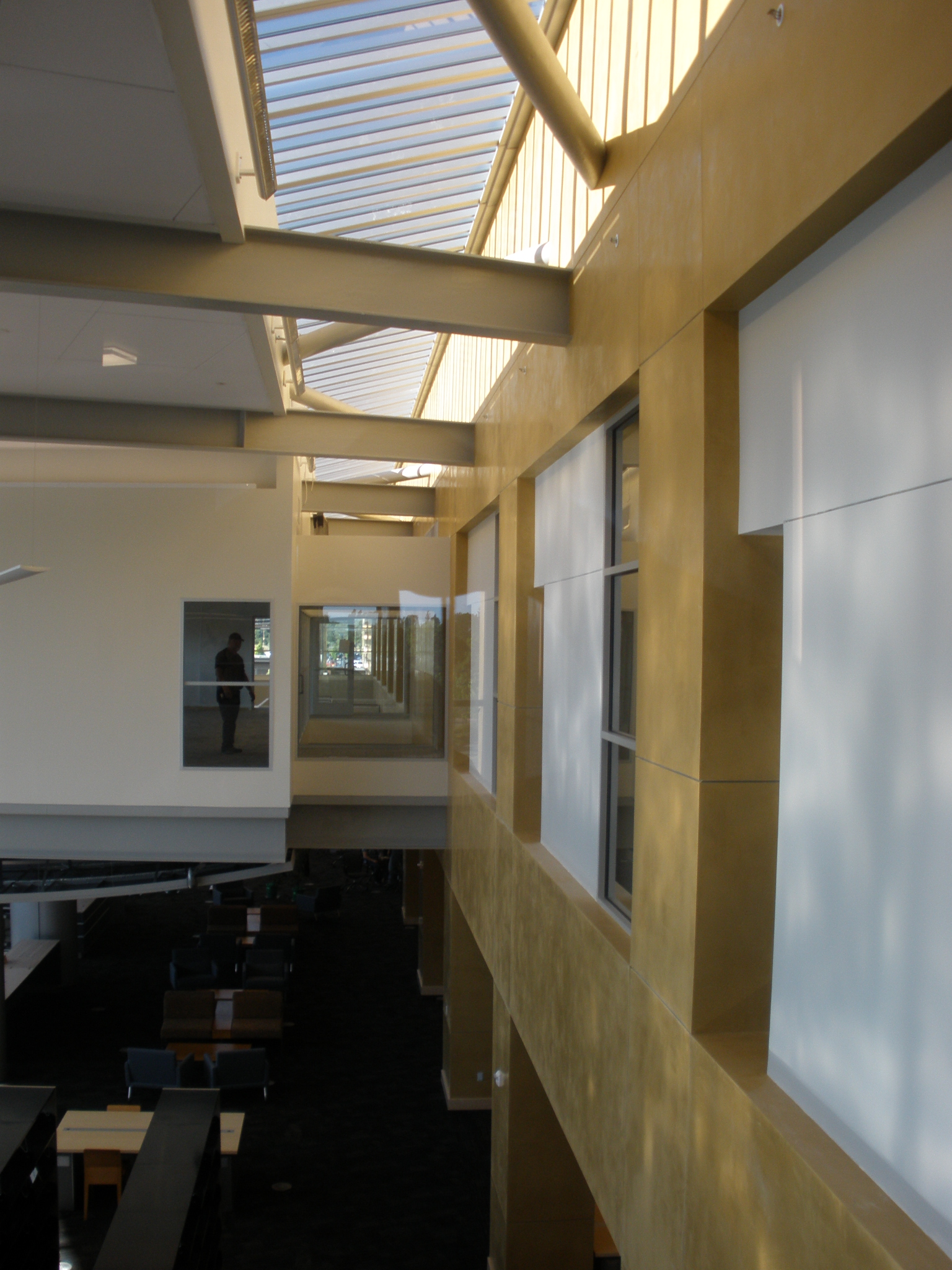
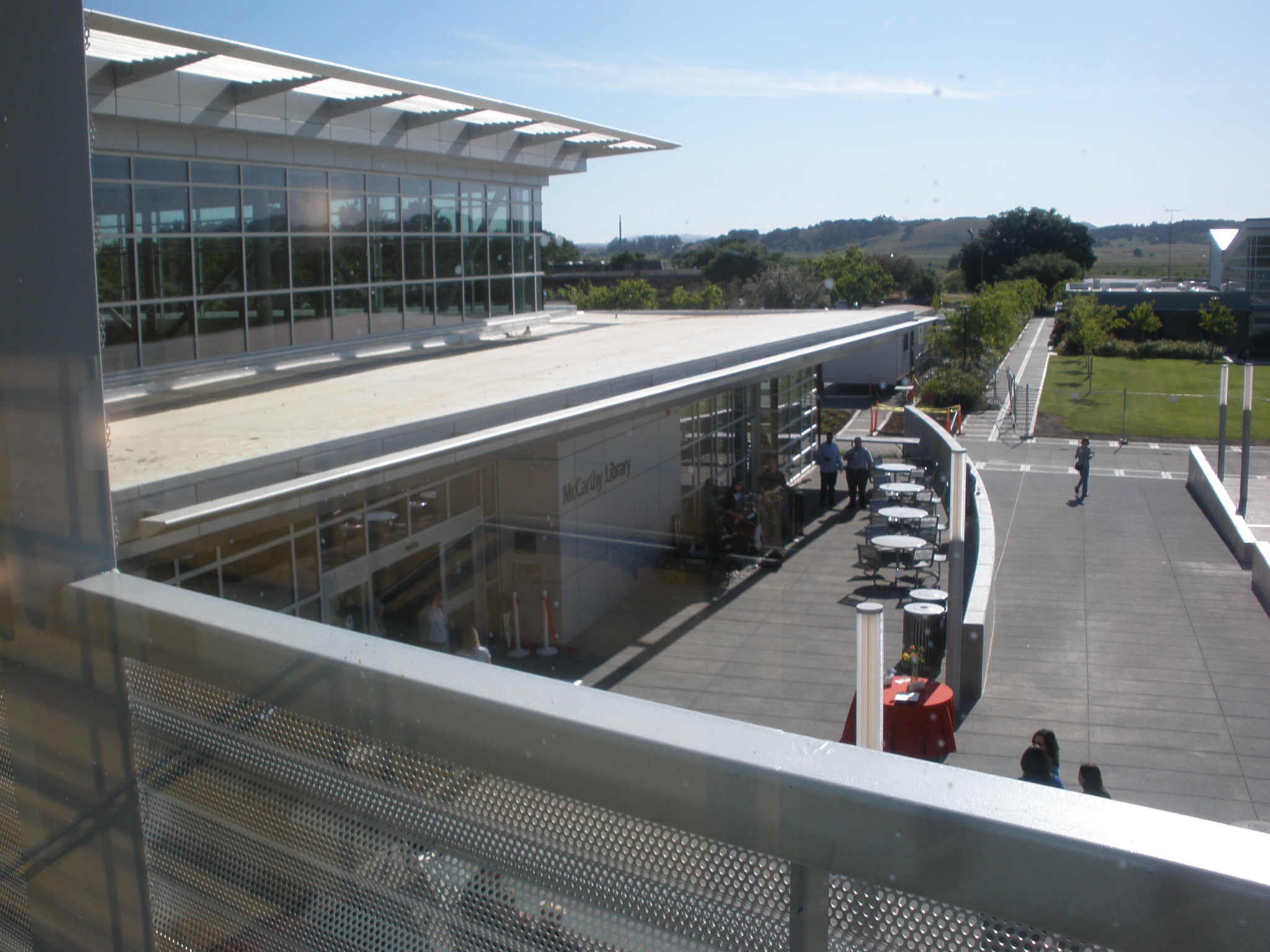
Mendocino College Library and Learning Resource Center received a Top Project award in the ‘Green’ category, recognizing a project that exemplified sustainable design.  This is the second year in a row that TLCD Architecture received an award in this category.  This project features numerous “green” features including daylight harvesting, a highly efficient mechanical system, and a green (vegetated) roof.

Roseland Creek Elementary School

Roseland Creek Elementary School

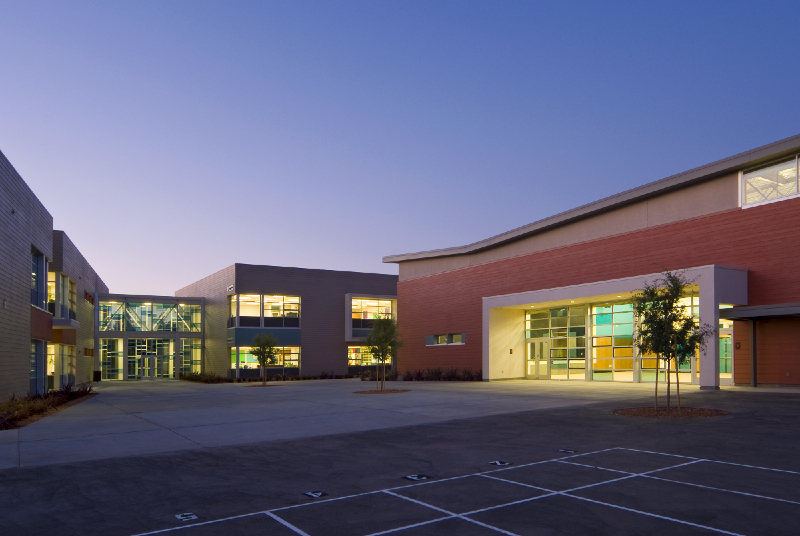
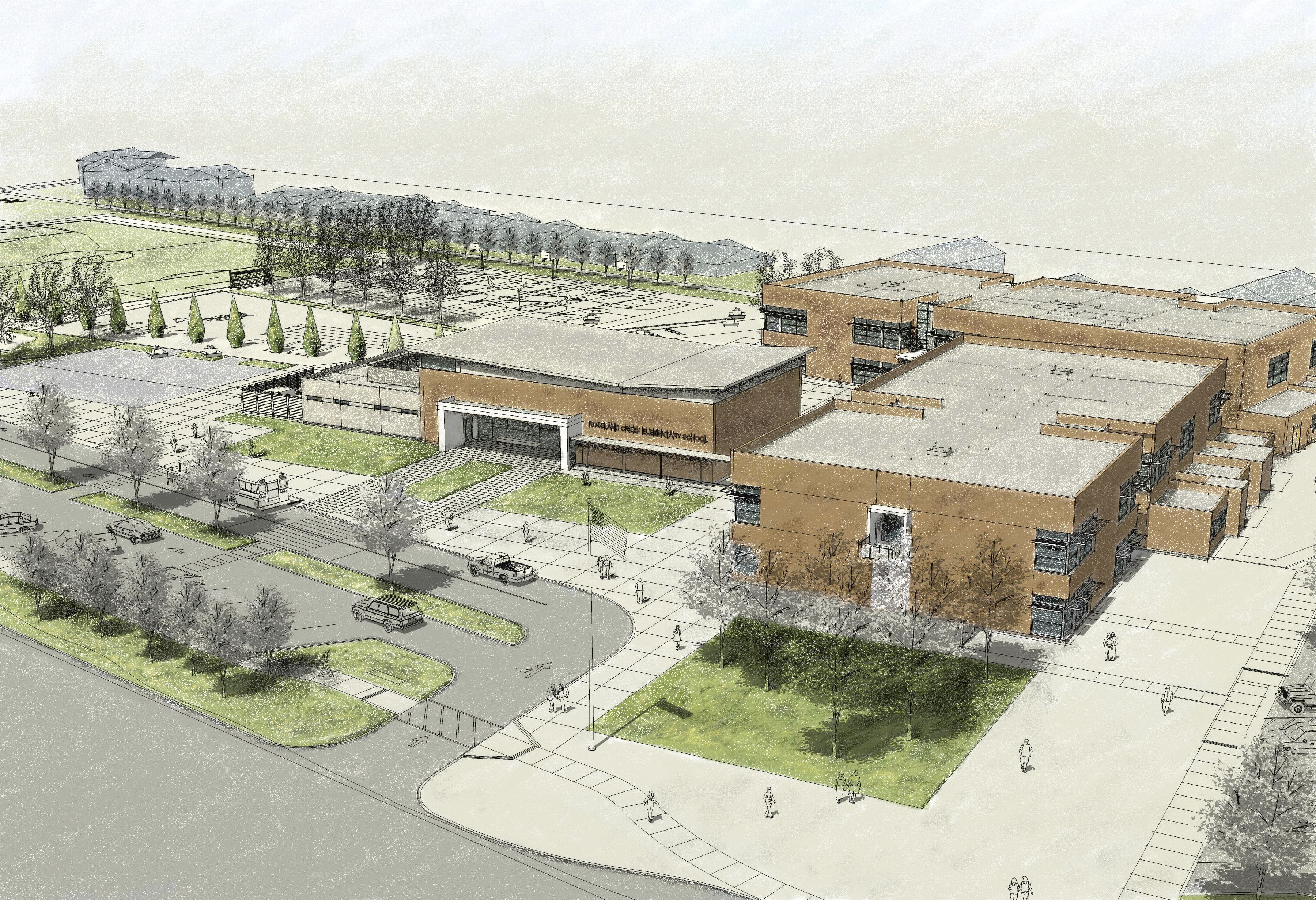
Roseland Creek Elementary School, Roseland School District’s first new elementary school to be constructed in 50 years received the K-12 Education award.  This 2-story school features exceptional indoor and outdoor learning environments.  It too is a model of sustainability, and significantly outperforms stringent Title 24 requirements.

Luther Burbank Savings Headquarters Branch

Luther Burbank Savings Headquarters Branch

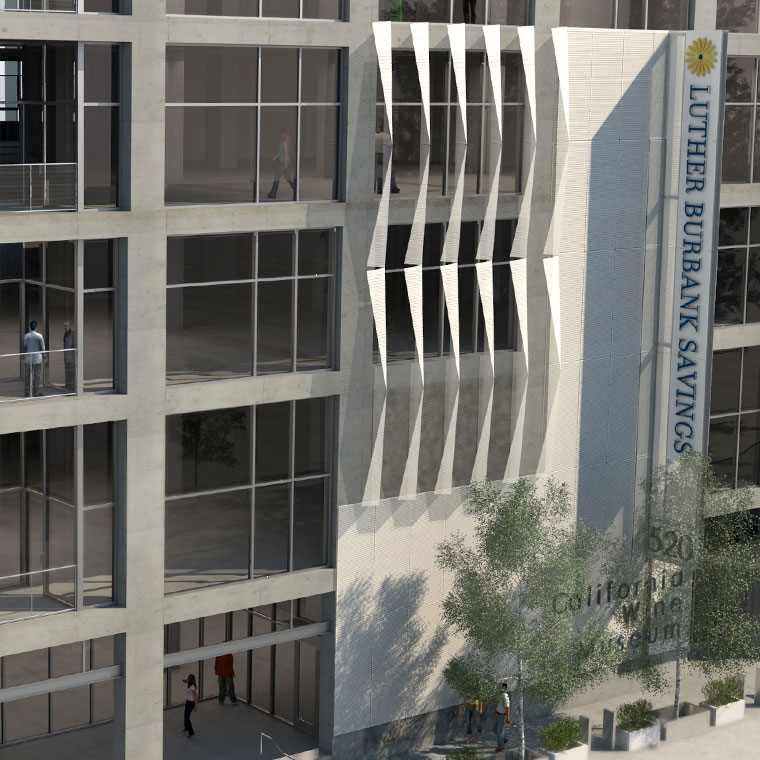
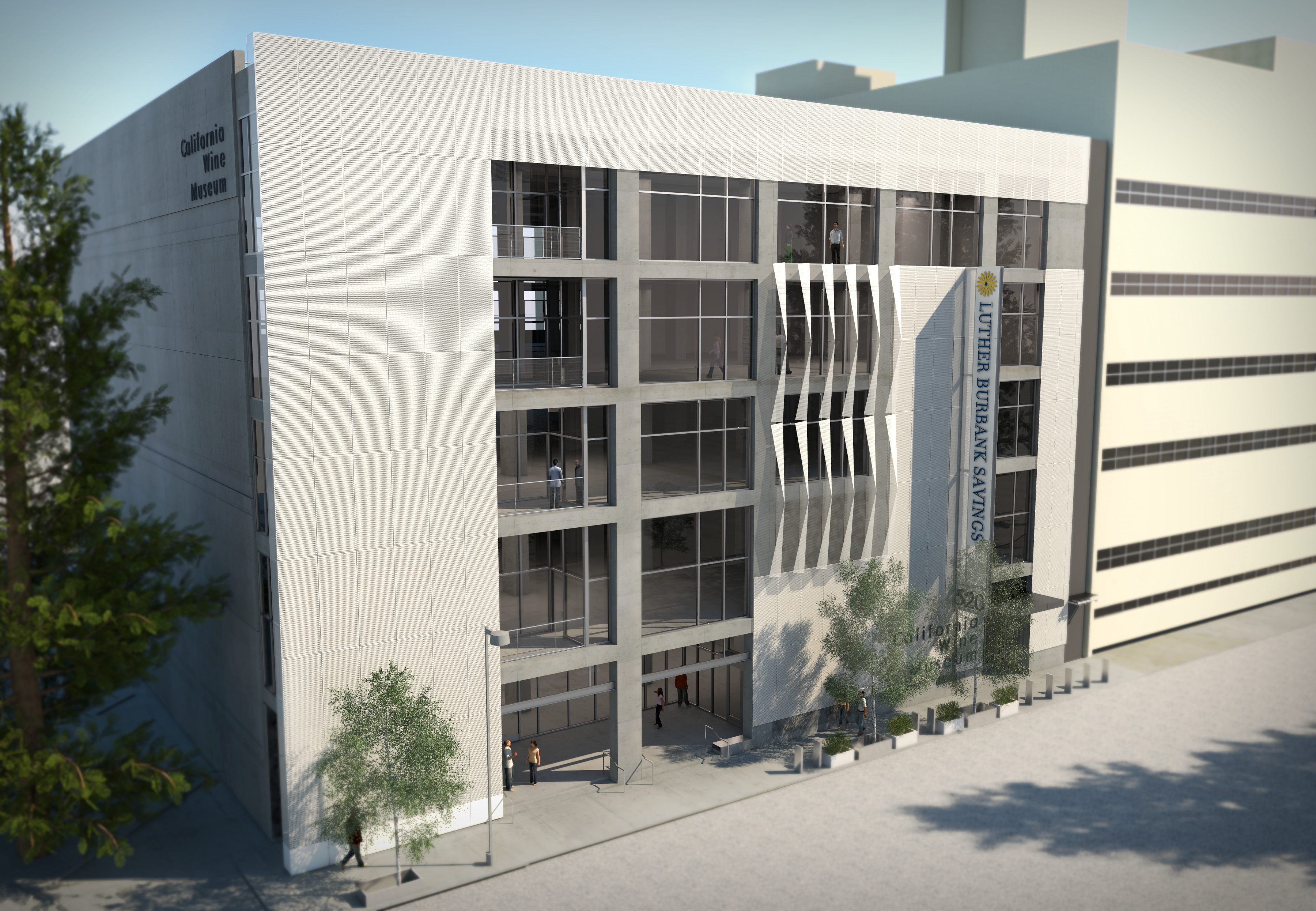
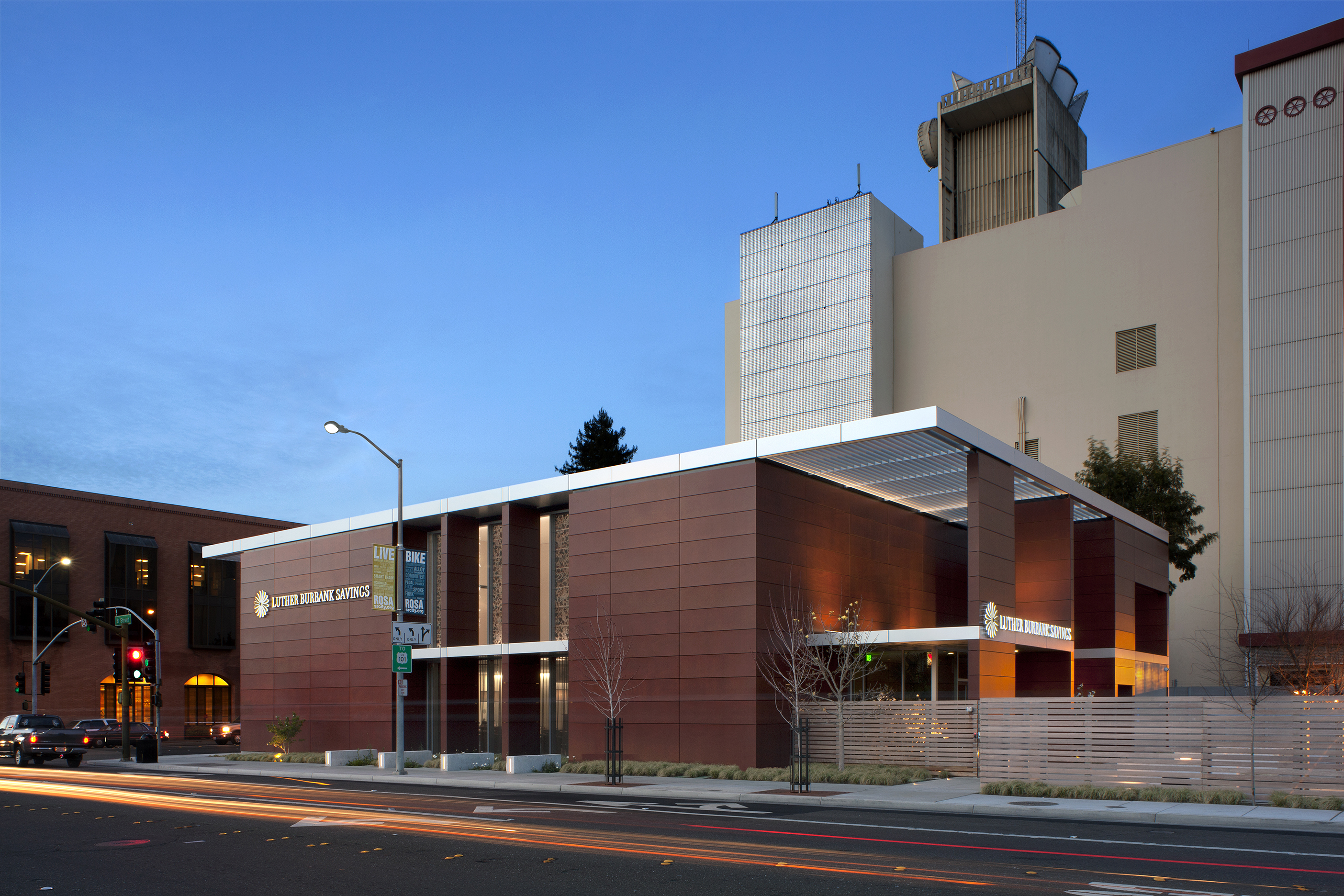
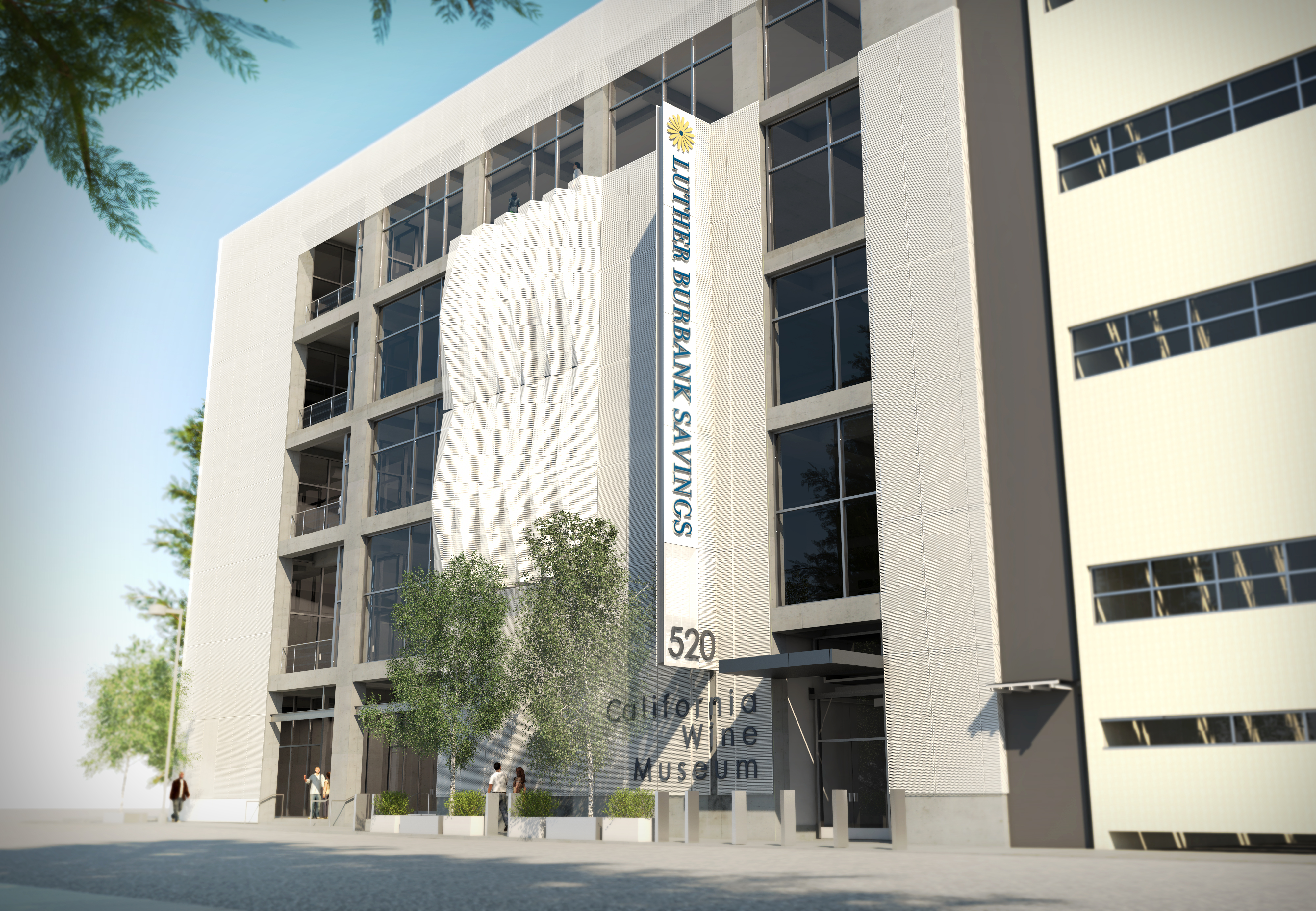
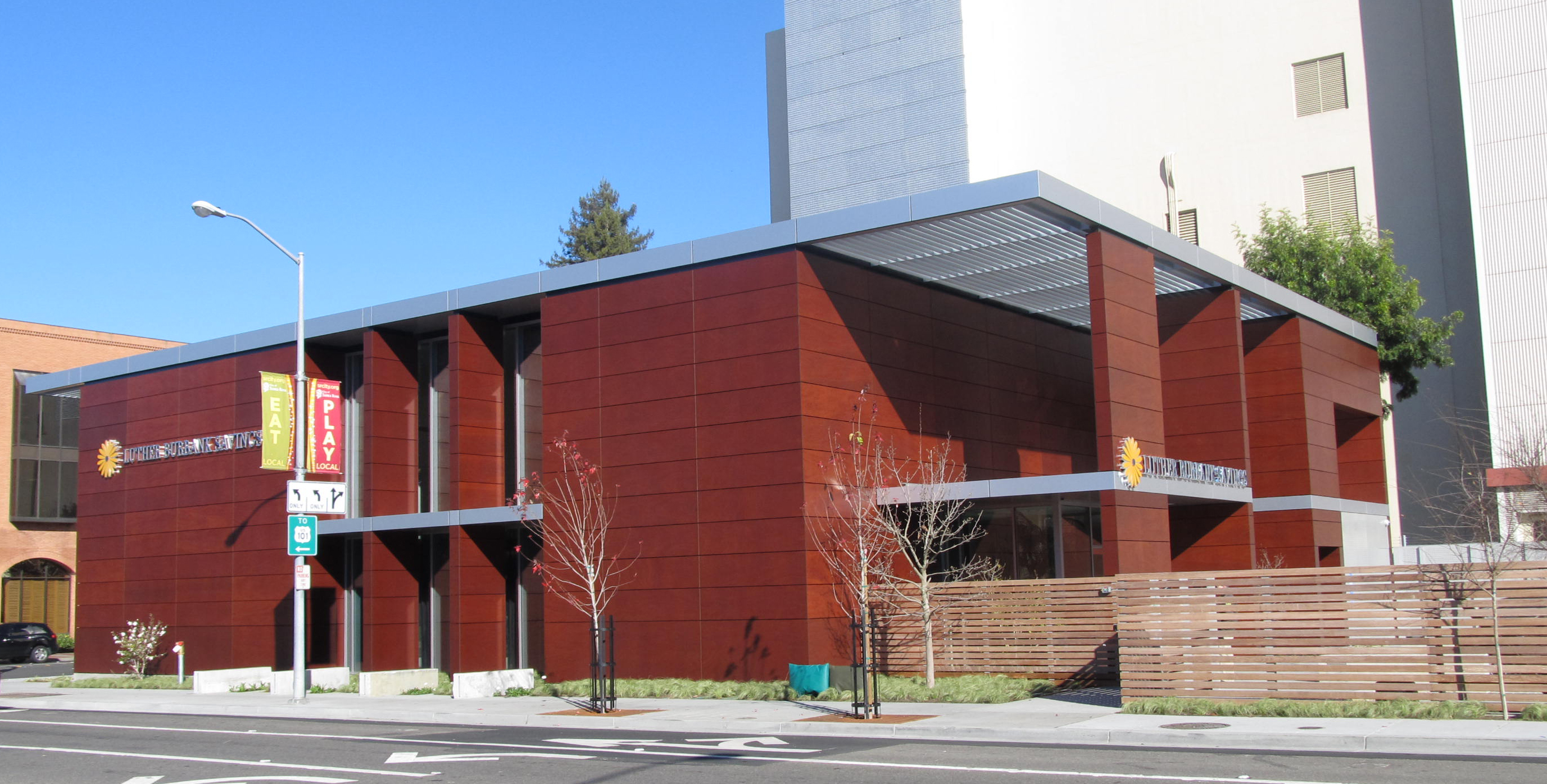
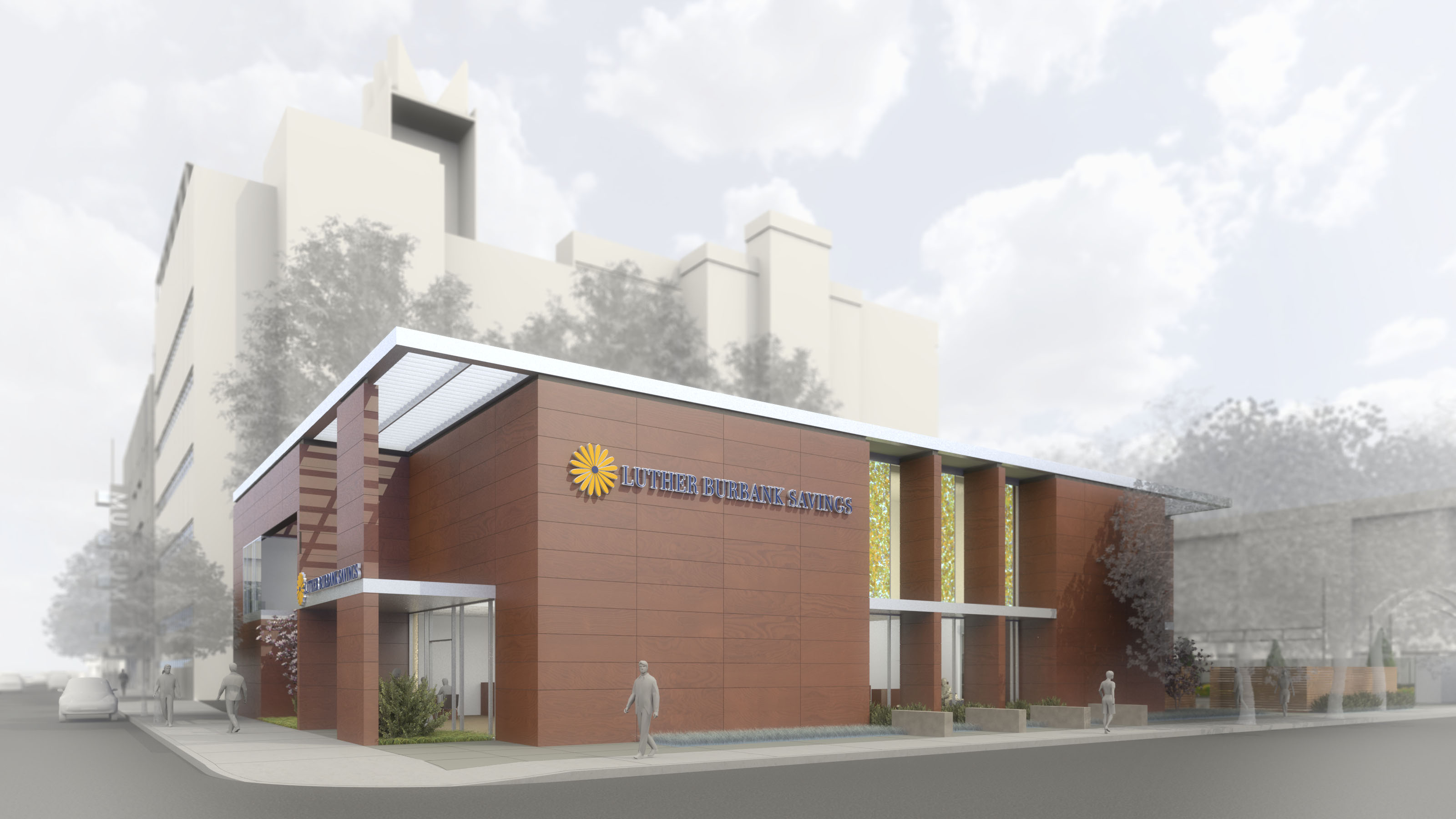
The winning entry in the Finance category was Luther Burbank Savings Headquarters Branch in downtown Santa Rosa, which opened for business earlier this week.  Defined by cherry colored exterior wood panels and crisp aluminum details, this highly visible project at the entry to downtown is hard to miss.

TLCD Architecture’s People and Projects Acknowledged at AIARE Awards

Maintenance Center | Mendocino Transit Authority

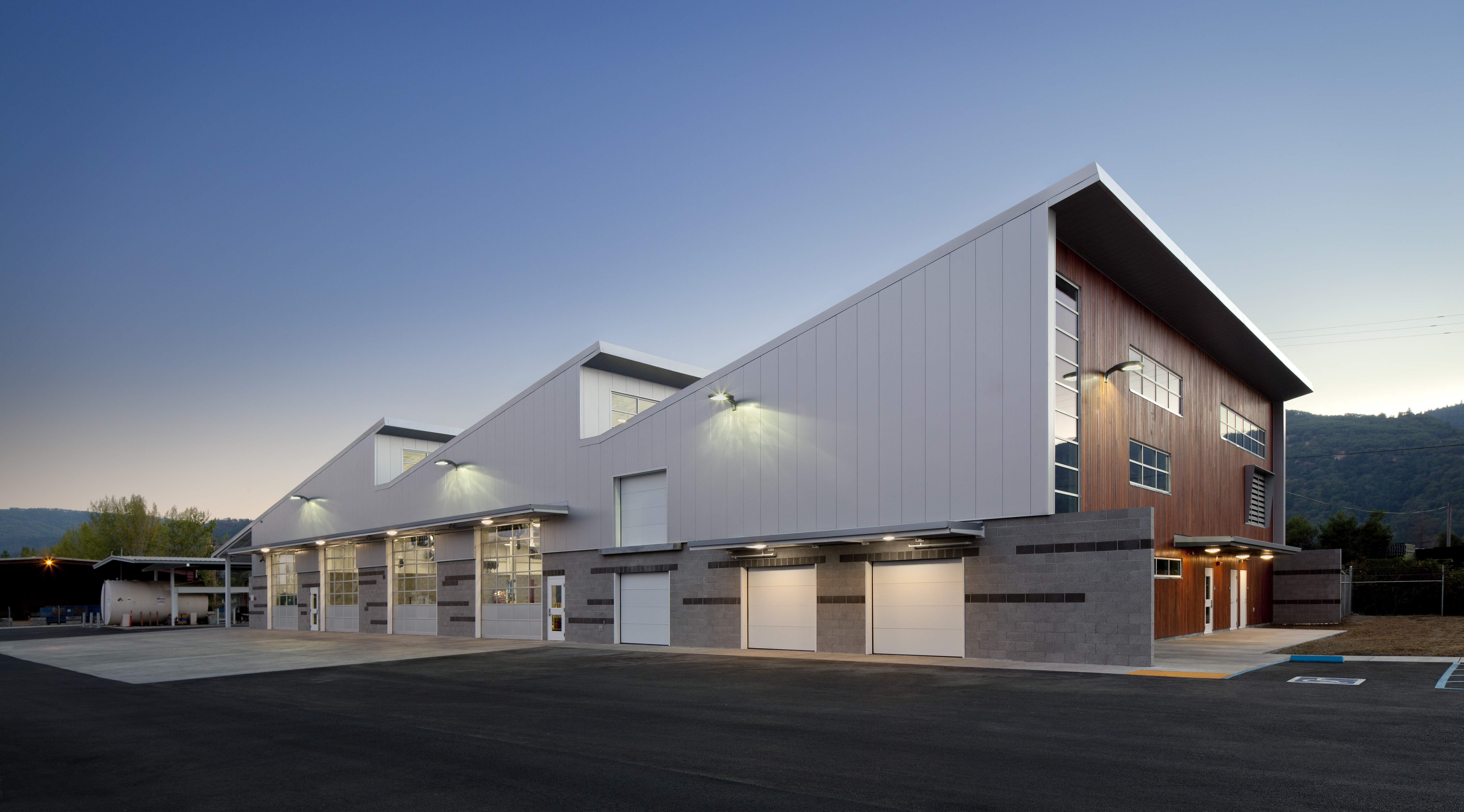
TLCD Architecture was the proud recipient of two Honor Awards for DeTurk Round Barn and the new Maintenance Center for Mendocino Transit Authority at the AIA Redwood Empire Design Awards. The bi-annual event, held on Saturday, October 27 also recognized Jamie Stich for Associate of the Year, and Nate Bisbee for Young Architect of the Year – both new award categories for 2012.

The design awards were juried by a distinguished panel including: Michael Palladino/FAIA of Richard Meier and Partners, Julie VandenBerg Snow/FAIA of Julie Snow Architects, Inc., Mary Griffin/FAIA of Turnbull Griffin Haesloop Architects, and Mayor Ernesto Olivares from the City of Santa Rosa. With much thoughtfulness and deliberation, they evaluated all the entries and selected winners in three categories: Honor Awards, Merit Awards and Citation Awards.

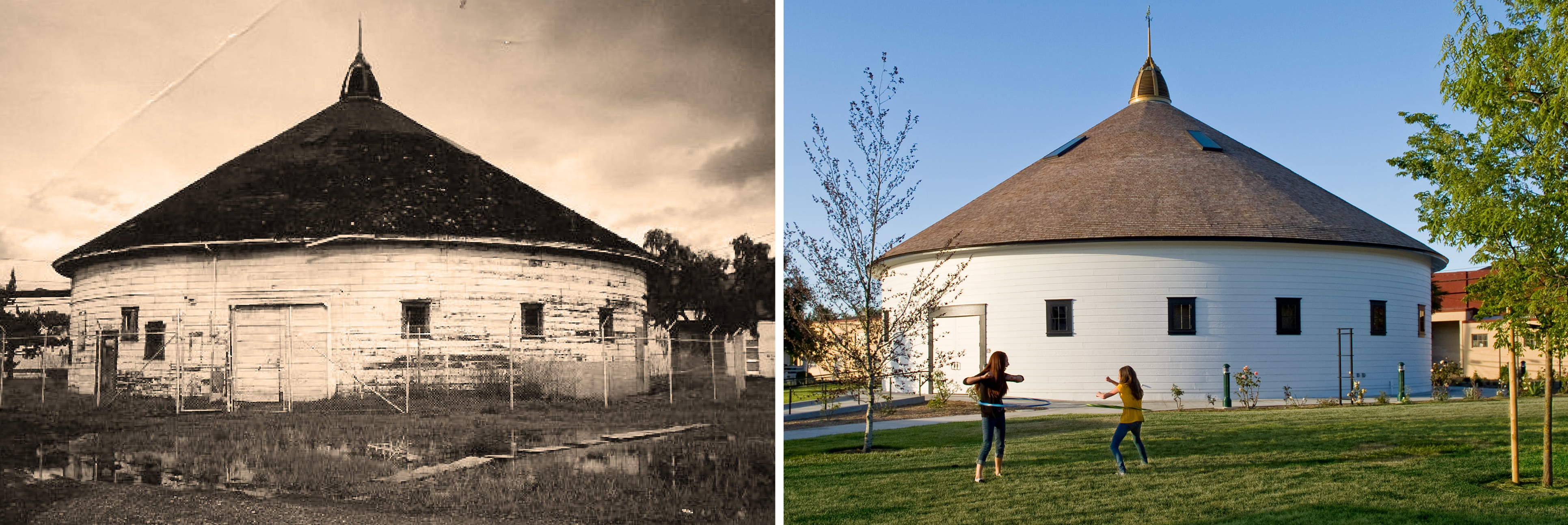
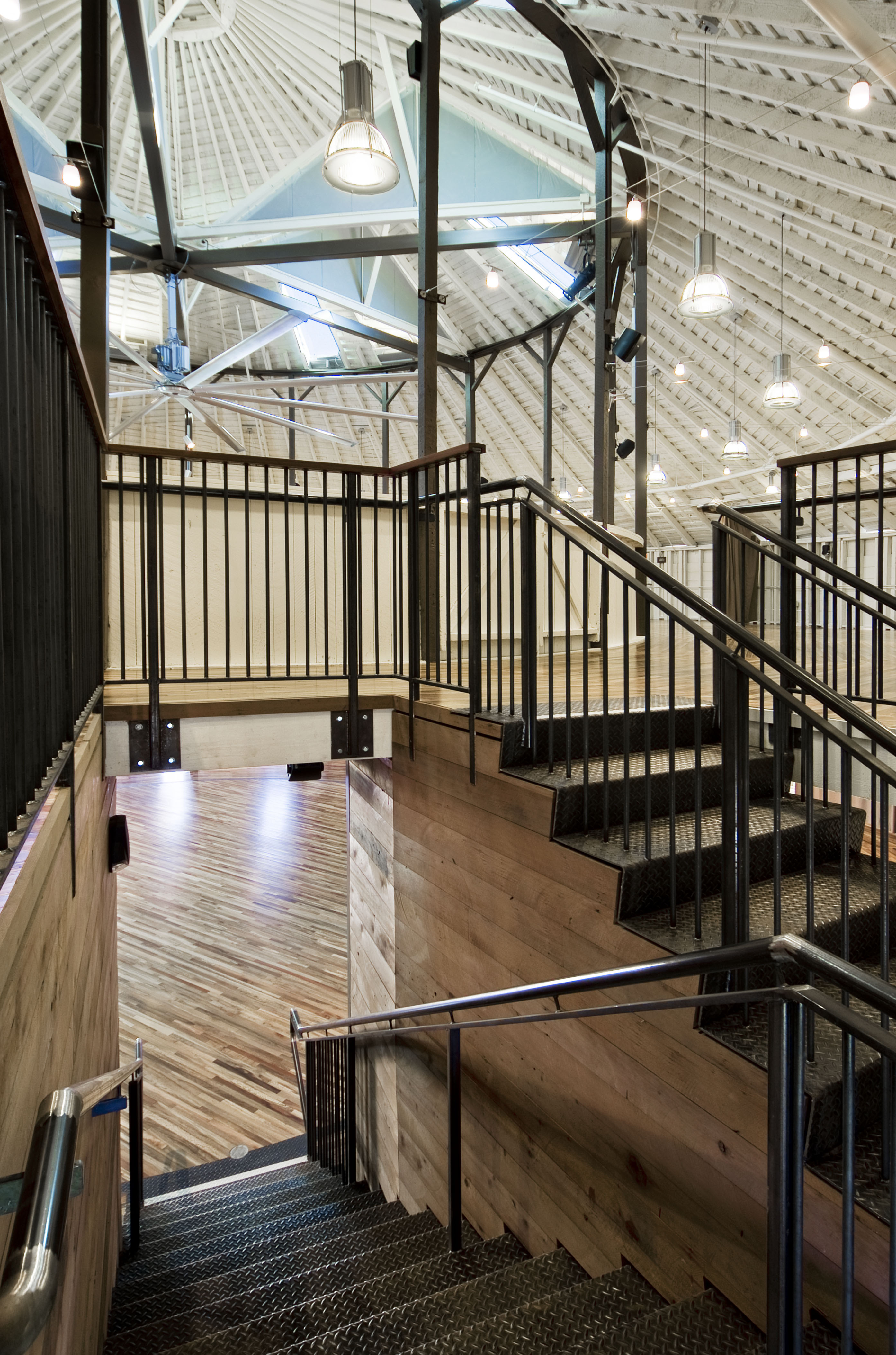
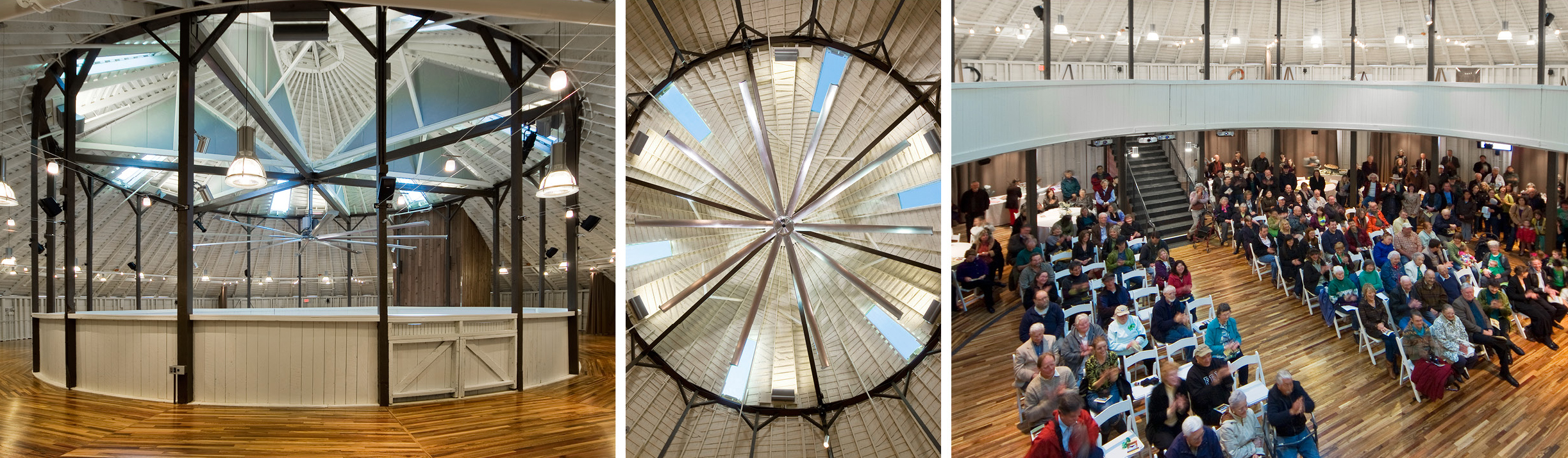
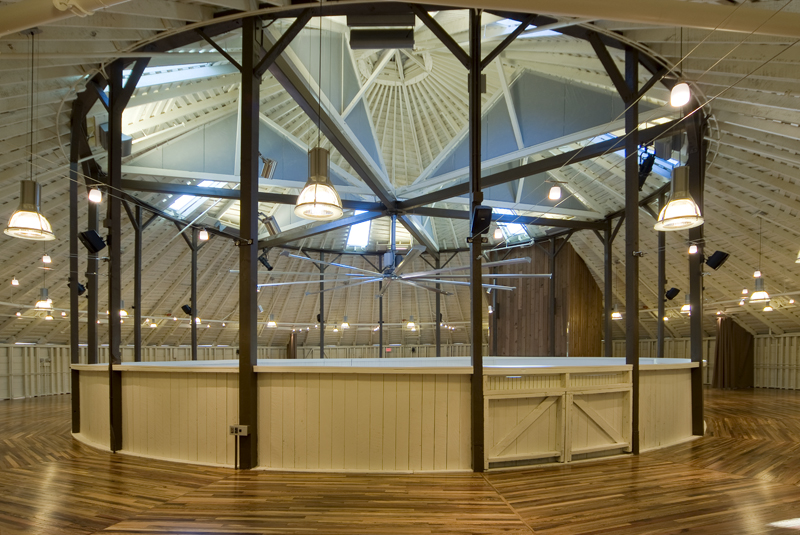
DeTurk Round Barn | City of Santa Rosa

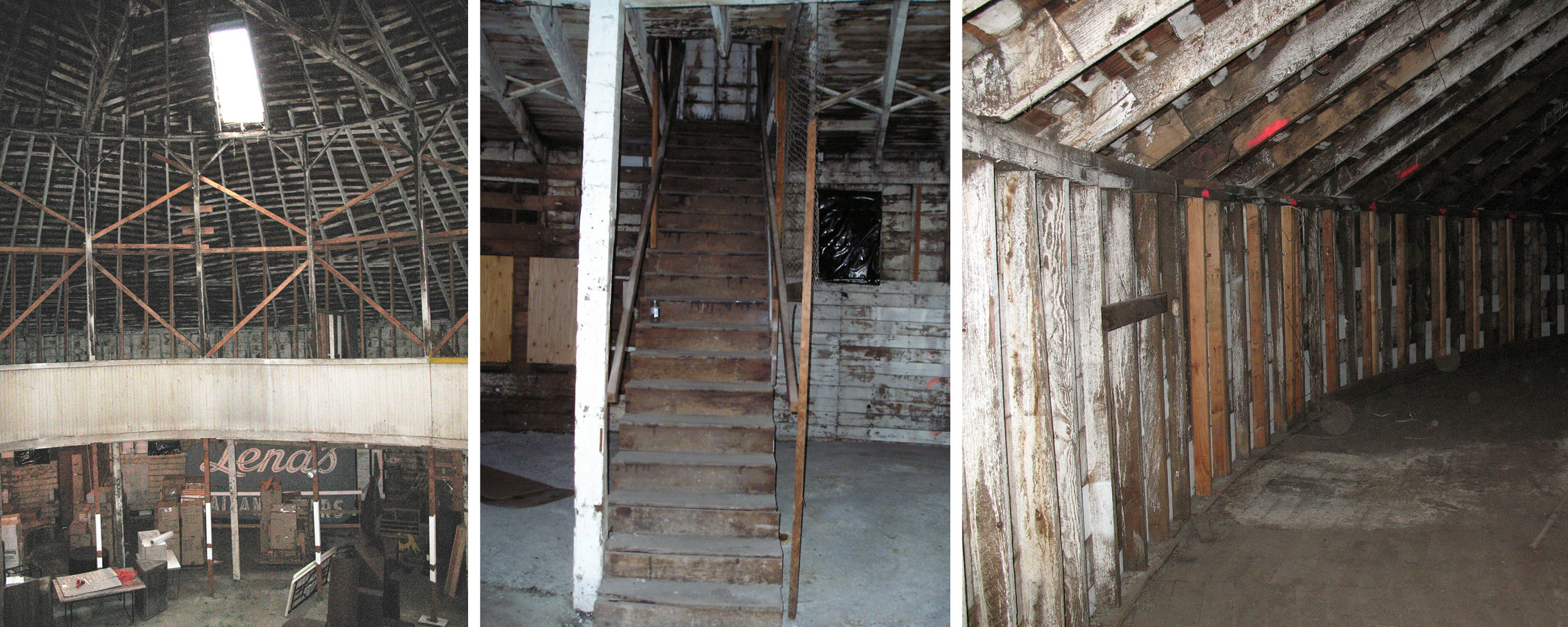
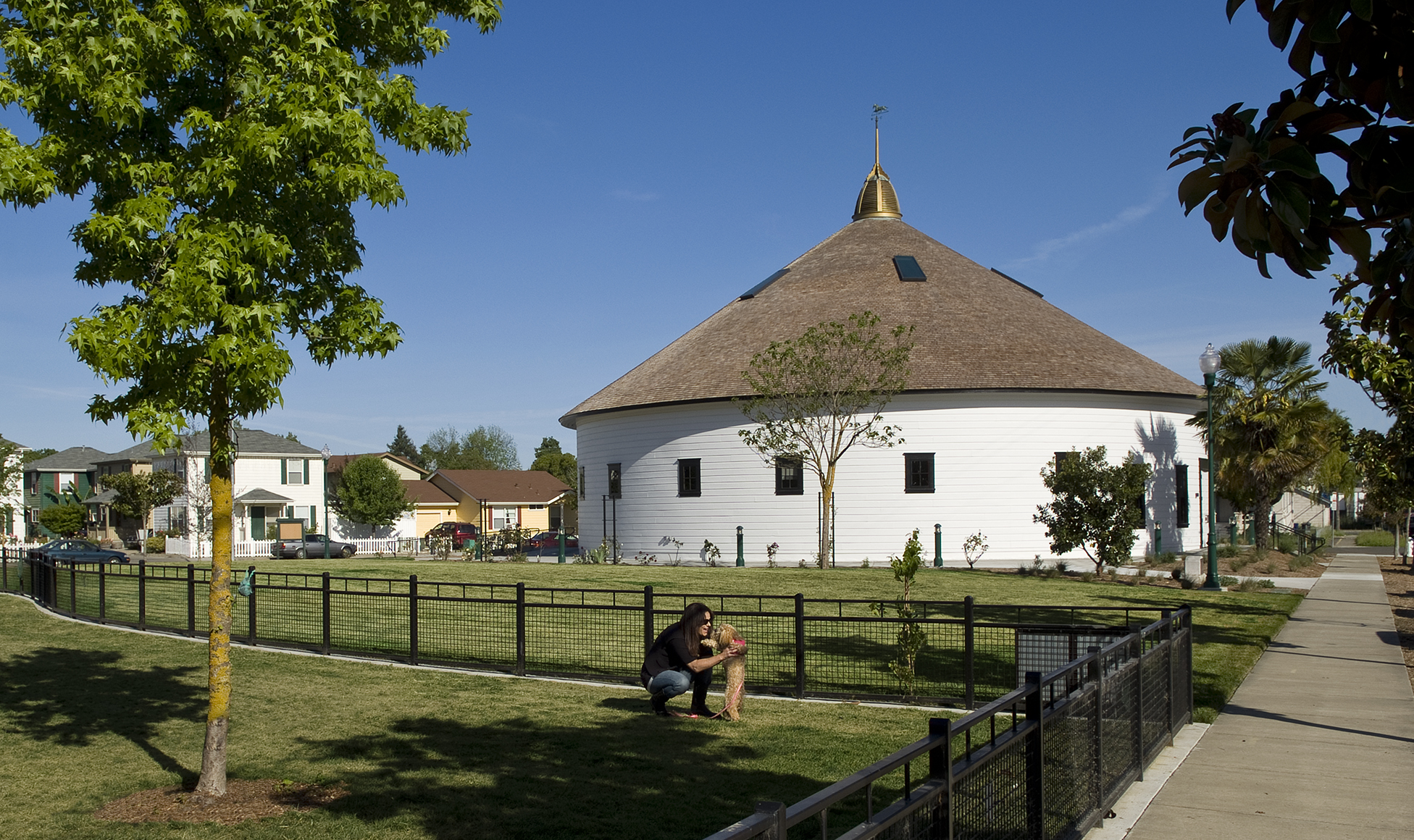
The DeTurk Round Barn historic renovation for the City of Santa Rosa received an Award in the “Alteration/Restoration/Rehabilitation” category, and the new Maintenance Center for Mendocino Transit Authority received an Award in the “Built Project” category. ”Being recognized by such a distinguished jury for two Honor Awards is truly a reflection of our commitment to the community, immensely supportive clients, and of the high level of design both these projects exhibit,” said Don Tomasi AIA, Senior Principal at TLCD.

The AIARE Gala also recognized individuals and firms who have distinguished themselves in the Redwood Empire Chapter through an inaugural set of awards handed out Saturday night. TLCD was thrilled to have two team members recognized: Jaime Stich for Associate Member of the Year and Nate Bisbee AIA for Young Architect of the Year.

Jaime has served on the AIARE Board for several years and leads the Associates program and licensing study group. “I have always been impressed by Jaime’s commitment to architecture, sustainability and the community… his commitment goes well beyond personal interest or casual involvement; he actively participates and provides leadership and inspiration to others,” said Jason Brabo AIA, Principal at TLCD.

Nate has served in different capacities on the AIARE Board for many years and was one of the organizers of the North X NorthCoast lecture series. “Nate’s contributions in the field of architectural design have been focused on the exploration of a regional expression appropriate to our area…his vision and interest in this “regionalism” have greatly shaped and elevated this firm’s design work and reputation,” said Alan Butler AIA, Senior Principal at TLCD.

The AIARE event was a wonderful acknowledgement of the level of design work at TLCD Architecture, and of the talented people who make these projects a reality.

Connecting with Today’s Digital Students

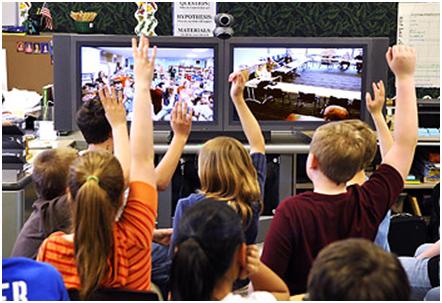
We are witnessing a major shift in the educational environment of the 21st century. Today’s students are plugged into a digital, global learning network. More than ever before, the way they learn is evolving and our education system must adapt to support this dynamic new future in our educational environments.

The young people of today are digital natives. They have grown up with constant access and interconnectivity to digital information resources. In contrast, most educators are digital immigrants, who are learning to adjust/adapt/modify their way of teaching to better reflect the realities of how students absorb information, communicate, and critically think about the subjects they are learning. The incorporation of online learning into this teaching methodology is vital.

Good school design not only supports the current learning needs, but also prepares for change and innovation in the future. It is anticipated that by 2019, 50% of all high school courses may be available online (1). Teachers already use sites such as YouTube to share lecture lessons with students outside of class. Students can learn where they are most comfortable and at their own pace, and have the opportunity to replay a lesson as often as needed to understand the content. This, in turn, opens up class time for interactive discussions and hands on practice of concepts covered in the online lectures. As a result, students and teachers gain more time for individualized tutoring and small collaborative learning groups.

This vision for a new learning methodology is resulting in an entirely different way of looking at classroom design. The rows of organized desks  facing a singular direction are no longer applicable. Having a dynamic classroom with space that can quickly transform from individual learning space to break out groups with easy access to technology is a must. Flexibility to accommodate for varying class sizes, access to fresh air and natural ventilation, and the use of the latest in acoustical and audio visual technology are critical to the design of a successful educational environment.

For nearly three decades personal computers have been used in classrooms, yet many of those classrooms look largely the same as they did 30 years ago. The future of educational environments incorporates computers, document cameras, smart boards, etc. in the core framework of the building design to create a holistic and fully interactive atmosphere for learning.

The learning activities observed in today’s classrooms significantly impact the way we design educational spaces. Administrators, faculty, and teachers are all vital contributors towards each successful project and we build lasting relationships that will provide the tools and resources needed to support a school’s educational program and prepare its students throughout their educational journey. As a design firm, we create inspirational learning environments, where teachers have the flexibility to transform a classroom in response to subject matter, class size, student needs, and teaching styles. Our projects support a school’s educational program while responding to the needs of the students.

(1) Disrupting Class: How Disruptive Innovation Will Change the Way the World Learns, Clayton Christensen, Copyright 2008

John Dybczak AIA
K-12 Practice Leader

When is a Green Roof not Green?

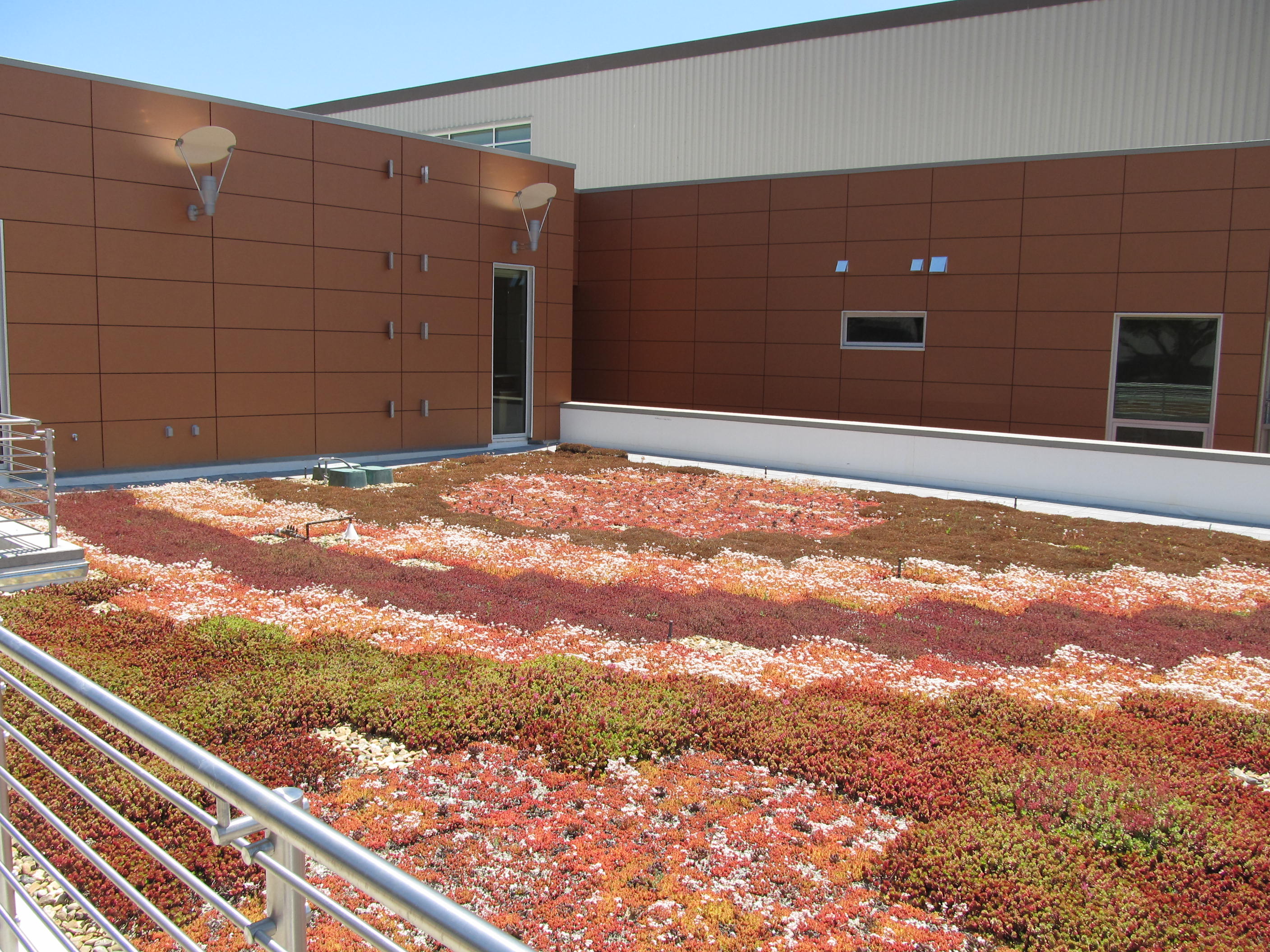
When it’s burgundy.  And gold.  And pink and yellow and, perhaps, four or five shades of green.

Vegetated (“Green”) roofs have historically been used to reduce storm-water run-off, to replace vegetation that would otherwise be lost at the building footprint, to provide energy savings by buffering the roof membrane from the ambient air temperature and to extend the service life of the roof membrane by shielding it from UV exposure.  Originally seen as one of several features of the project to reduce the water-quality impacts of impervious surfaces on the project site and to improve energy performance, the vegetated roof on the Mendocino College Library Learning Resource Center is an example of how a design decision made in support of sustainability goals can also yield extraordinary aesthetic results.

The roof is comprised of a single-ply roof membrane and tapered insulation with the plants contained in 12 by 24 inch LiveRoof trays provided by Florasource, Ltd. installed over a protection membrane.  Heavy-weight roof pavers and ballast complete the roof components.  Working with Landscape Architect Quadriga, the decision was made to use the tray module as an organizing element.  Selecting from the 300 or so species of sedum available, trays containing five different sedum species have been arranged mosaic-like into a design featuring waves of color spreading across the roof surface. Pavers and ballast are used to bound the edges of the plant material and essentially providing a frame for the composition.

Located immediately outside a class room and adjacent to an outdoor terrace area, the vegetated roof provides both welcome views from inside the classroom and a colorful foreground element for the views of the hills rising to the south west of the site.

Bellevue District Office Dedication – Taylor Mountain School is Completed!

This slideshow requires JavaScript.

The Bellevue Union School District held a dedication ceremony to formally open their new district office and dedicate the boardroom to long time Board member Yvonne Kennedy. The district office is located at Taylor Mountain Elementary School and its completion ends 5 years of phased construction projects designed by TLCD Architecture at this new $19 million campus located in southeast Santa Rosa.

The design of Taylor Mountain Elementary includes a central courtyard with focused views to its’ namesake mountain to the east. Classroom pods ring the courtyard and lead to the library/media center. TLCD worked with the teaching staff to refine the pod design in support of the District’s teaching philosophy.

In response to wetlands and a tiger salamander habitat, the site design includes enhanced wetland study areas, bioswales, and stormwater detension basins. The interiors include many energy efficient lighting and mechanical systems, and extensive use of sustainable materials.

TLCD also played a key role in assisting Chevron Energy Solutions with the design and installation of a 176Kv photovoltaic power generating system that will generate a majority of the campus’ electrical power needs.

The later phases of construction used the Lease-Leaseback project delivery method. This provided an opportunity for the General Contractor and major subcontractors to provide valuable input during the design process and a guaranteed maximum construction cost to the District.

Taylor Mountain Elementary School is TLCD Architecture’s second new school completed with Bellevue Unified School District. Our collaborative effort and commitment to providing inspirational learning environments for the students resulted in a project that will serve this growing community for many years.

Education Exchange

The 21st Century Classroom, one that focuses on the Four C’s; Communication, Creativity, Collaboration, and Critical Thinking was the main topic of discussion at the inaugural Napa Valley Education Exchange, a three day conference that I was able to attend last week in Napa.  The conference attendees included school district superintendents and educators from all over the State of California.
We were treated to very informative and inspirational presentations from education futurists Dr. Yong Zhao, Ken Kay, and Dr. Pat Wolfe.  The presentations were focused on the current state of our education system and how it needs to be changed in order to support the learning needs of our current and future students.

This conference was especially interesting as I was able to learn about many of the challenges being faced by school districts.  As architects, we play an important role in developing educational environments that are inspirational to those who use them.  Flexible classroom spaces that incorporate advanced technology, flexible furniture, natural daylighting, fresh air, and good acoustics are critical elements of today’s classroom.

John Dybczak AIA

TLCD Architecture Projects Set to Receive Awards
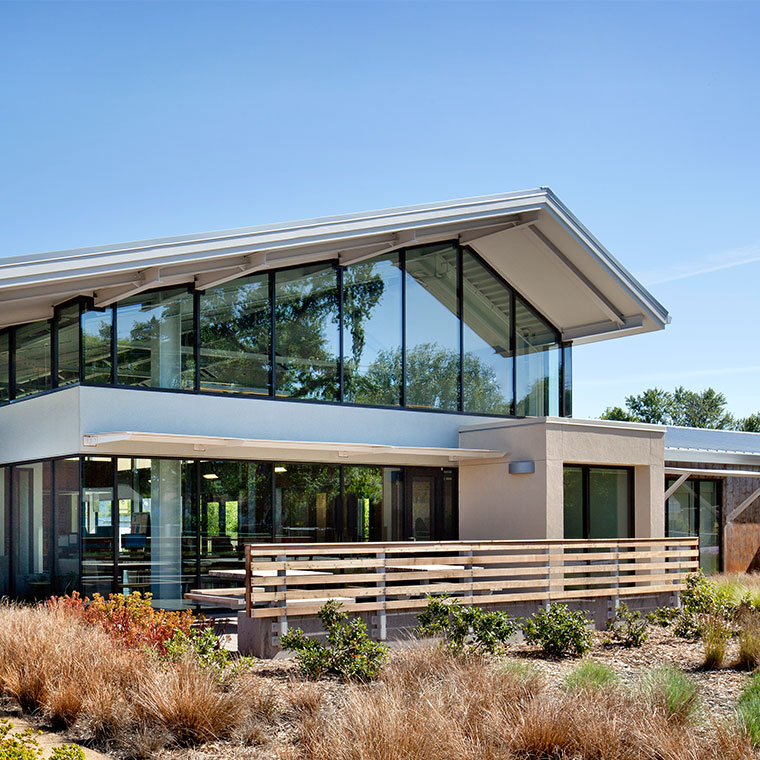
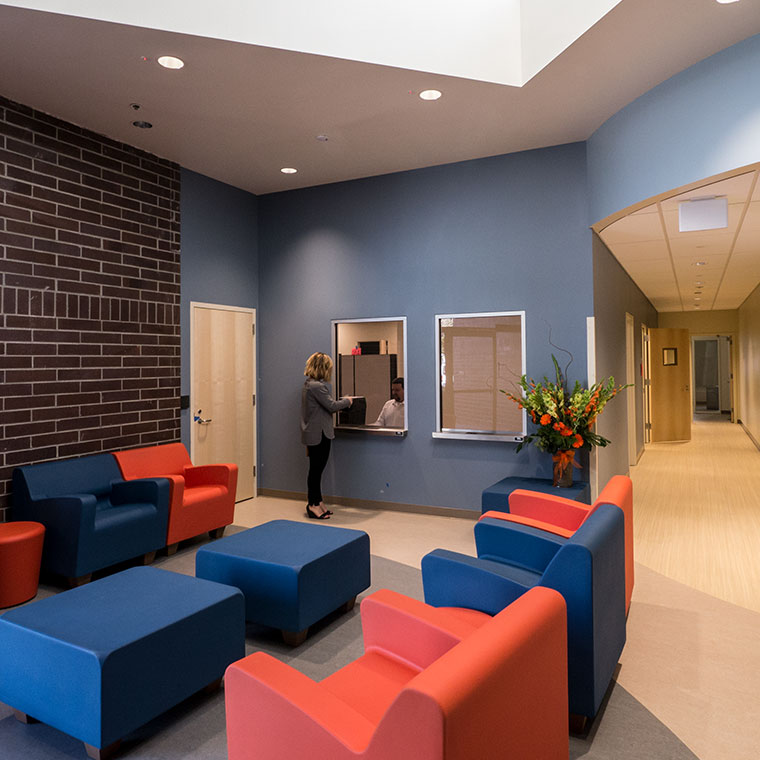
We are pleased to announce that two projects designed by TLCD Architecture for the City of Santa Rosa will be receiving statewide recognition.
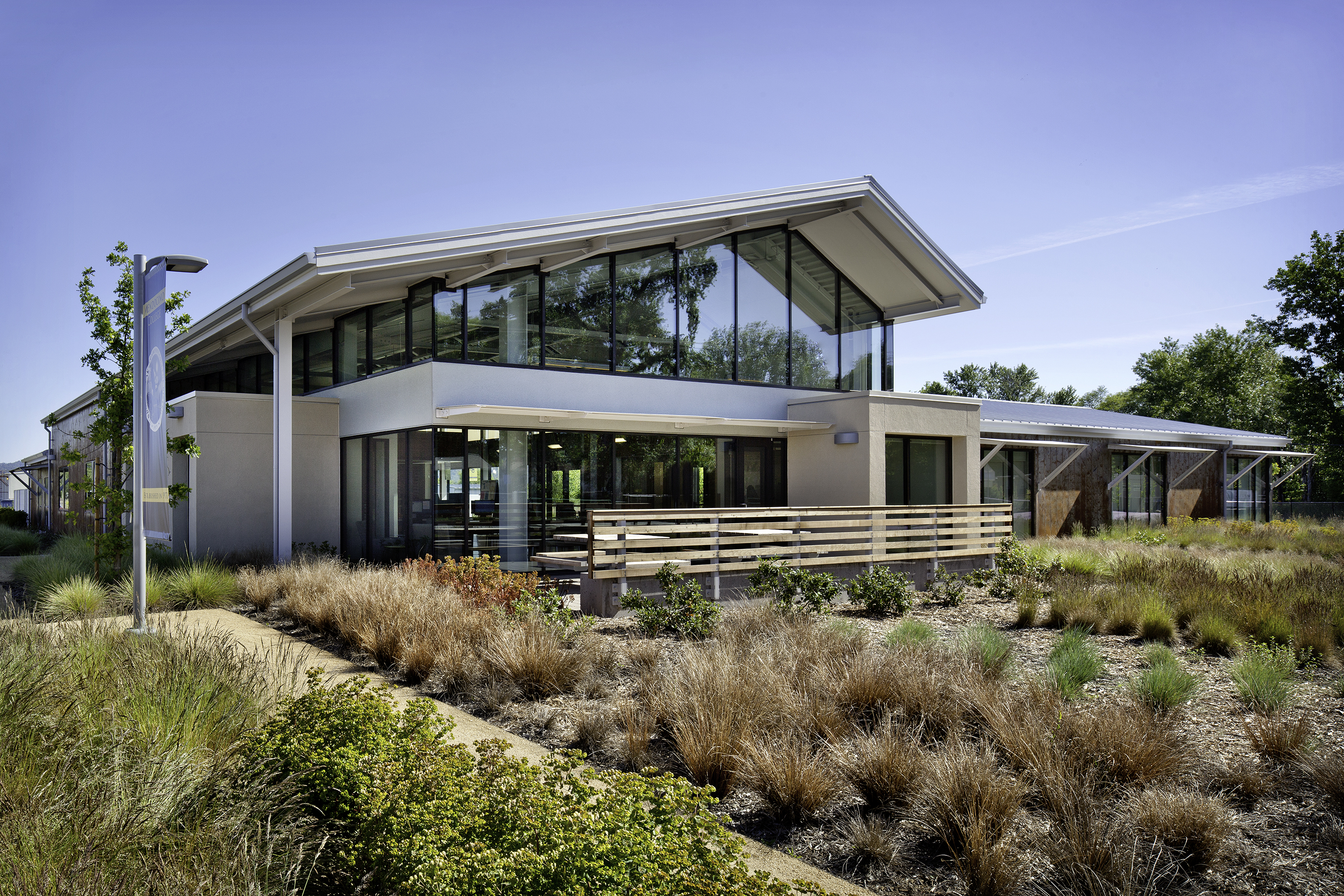
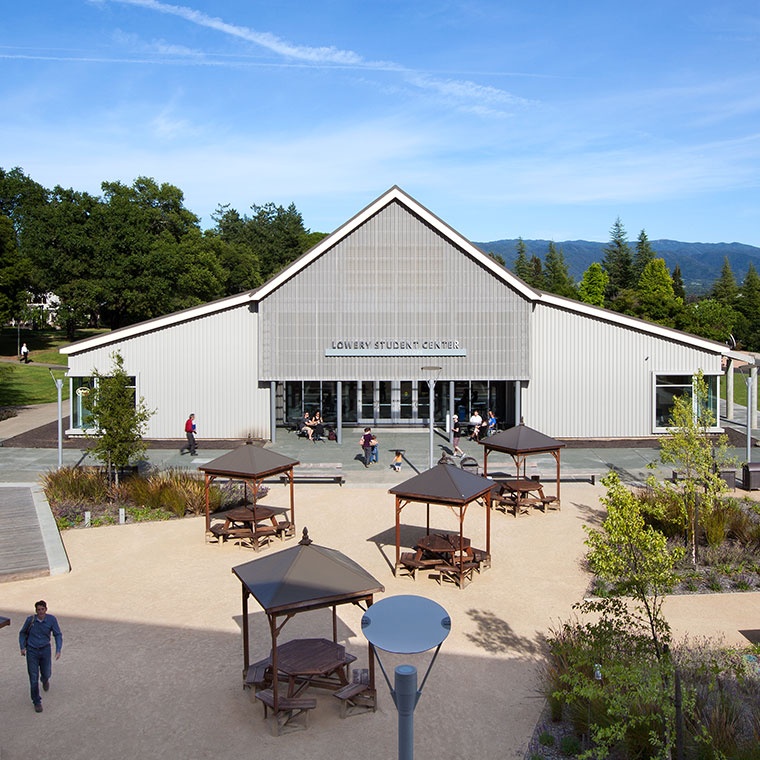
On February 28th the City of Santa Rosa Utilities Field Office project will receive an award for Outstanding Architecture/Engineering Project. The American Society of Civil Engineers will be presenting this award to GHD, TLCD Architecture’s engineering partner on the project. This project includes offices, maintenance shops, and a training center. Its design and engineering emphasize a quality workplace environment within the context of a healthy, sustainable facility.


Utilities Field Office

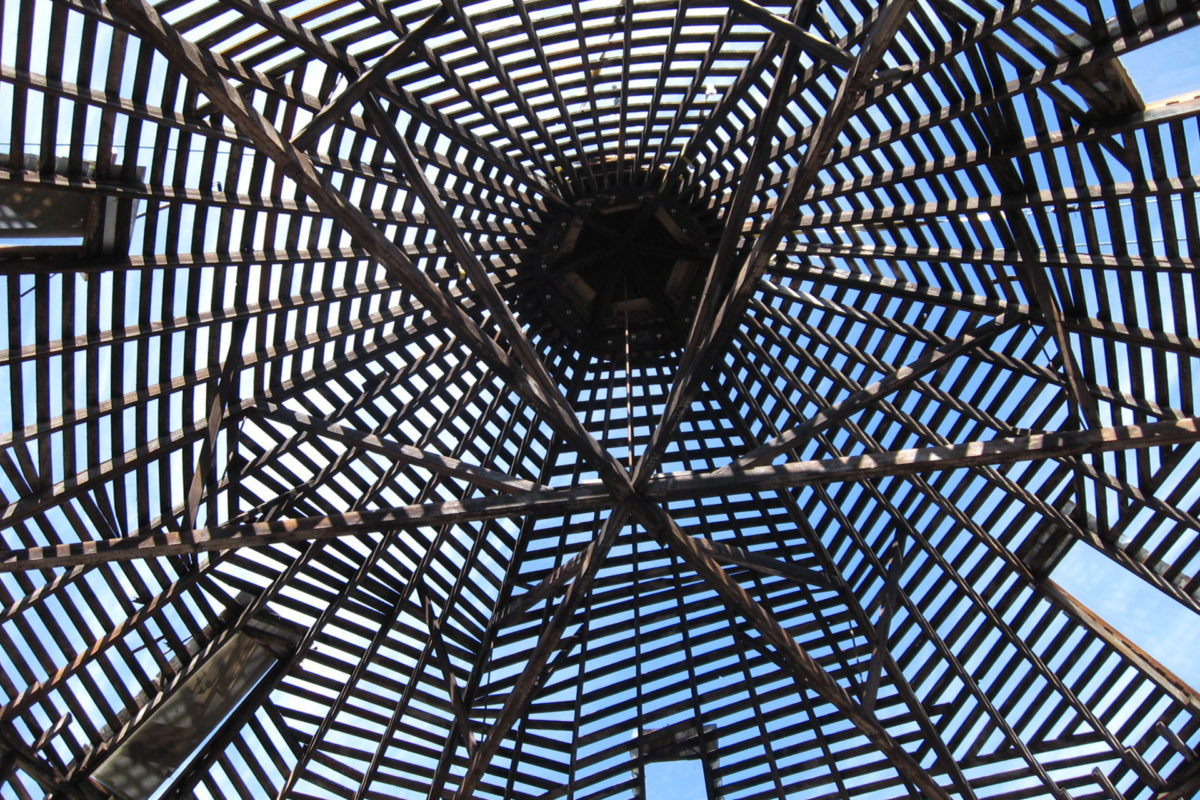
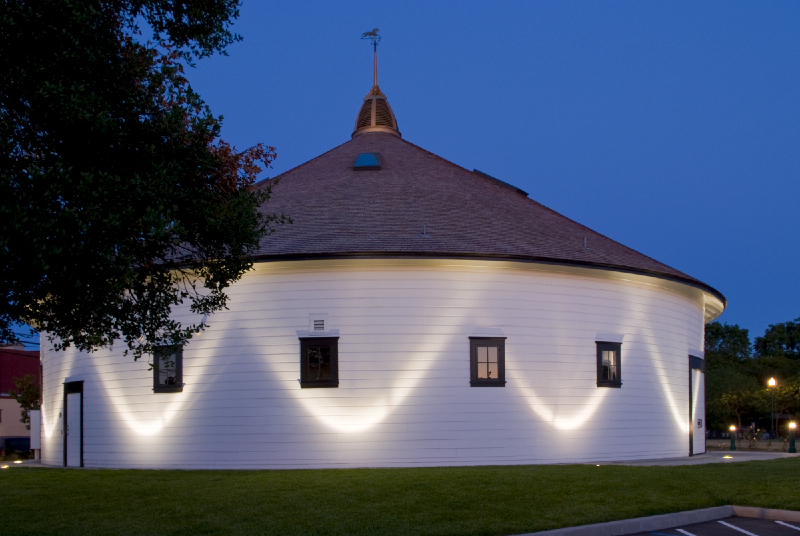
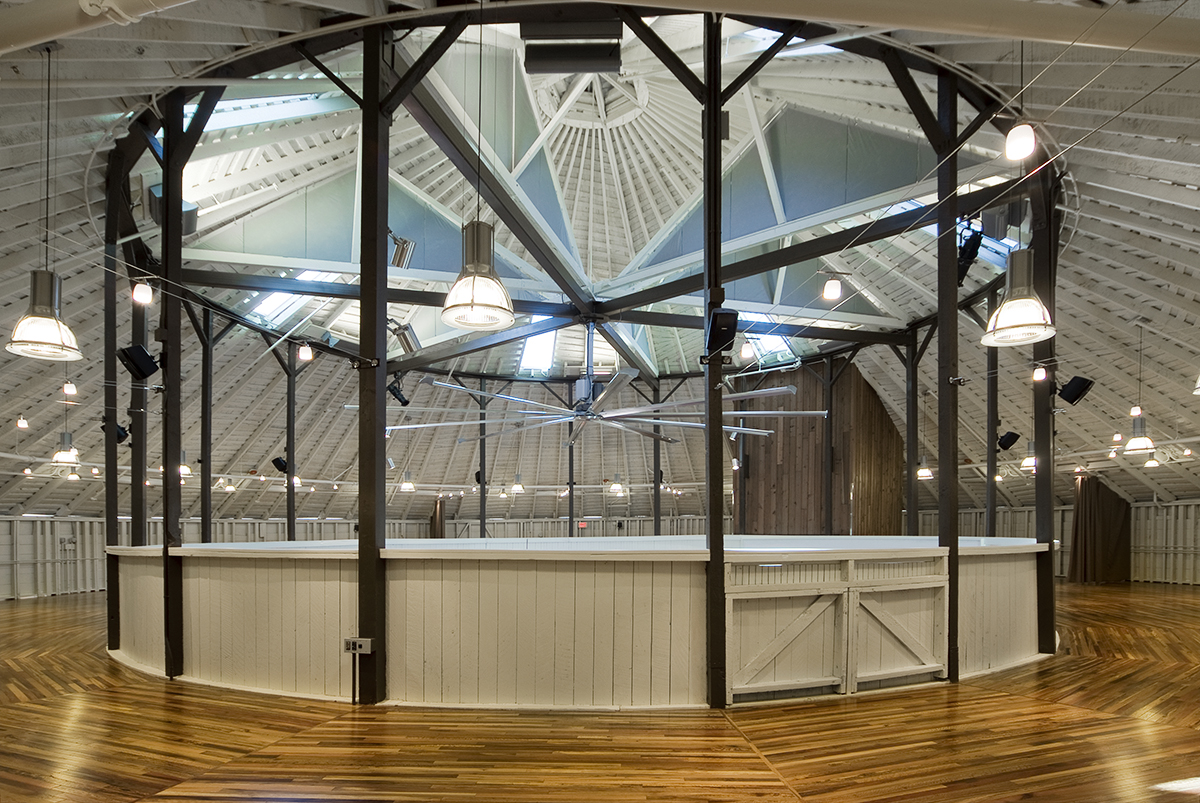
On March 20th the City of Santa Rosa will be presented with the California Park and Recreation Society’s annual Excellence in Design Award for the DeTurk Round Barn. This award recognizes projects under $5 million that demonstrate high standards of planning, design, community involvement, operation and maintenance, quality of aesthetics, usability, accessibility and versatility. Built in 1891 for a prized racehorse, the DeTurk Round Barn is one of only two true round barns remaining in California and is listed on both the state and federal registries of historic places. After decades of use as a city corporation yard, this unique adaptive reuse project seismically upgraded and restored the building to its new life as a Community Center.

DeTurk Round Barn

The North Bay Business Journal has also recognized both projects as “top projects”.

Proud Moment for TLCD Architecture
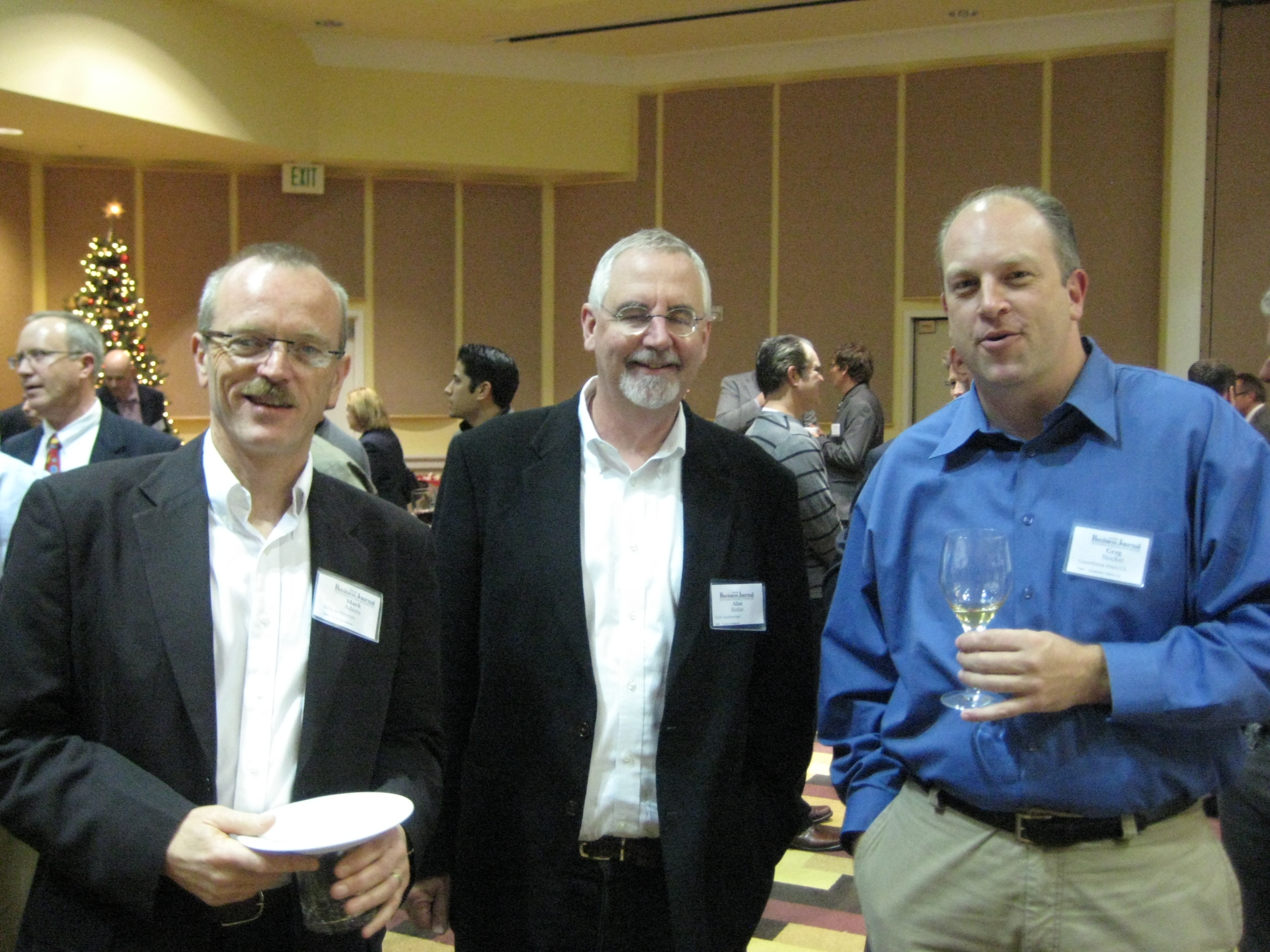
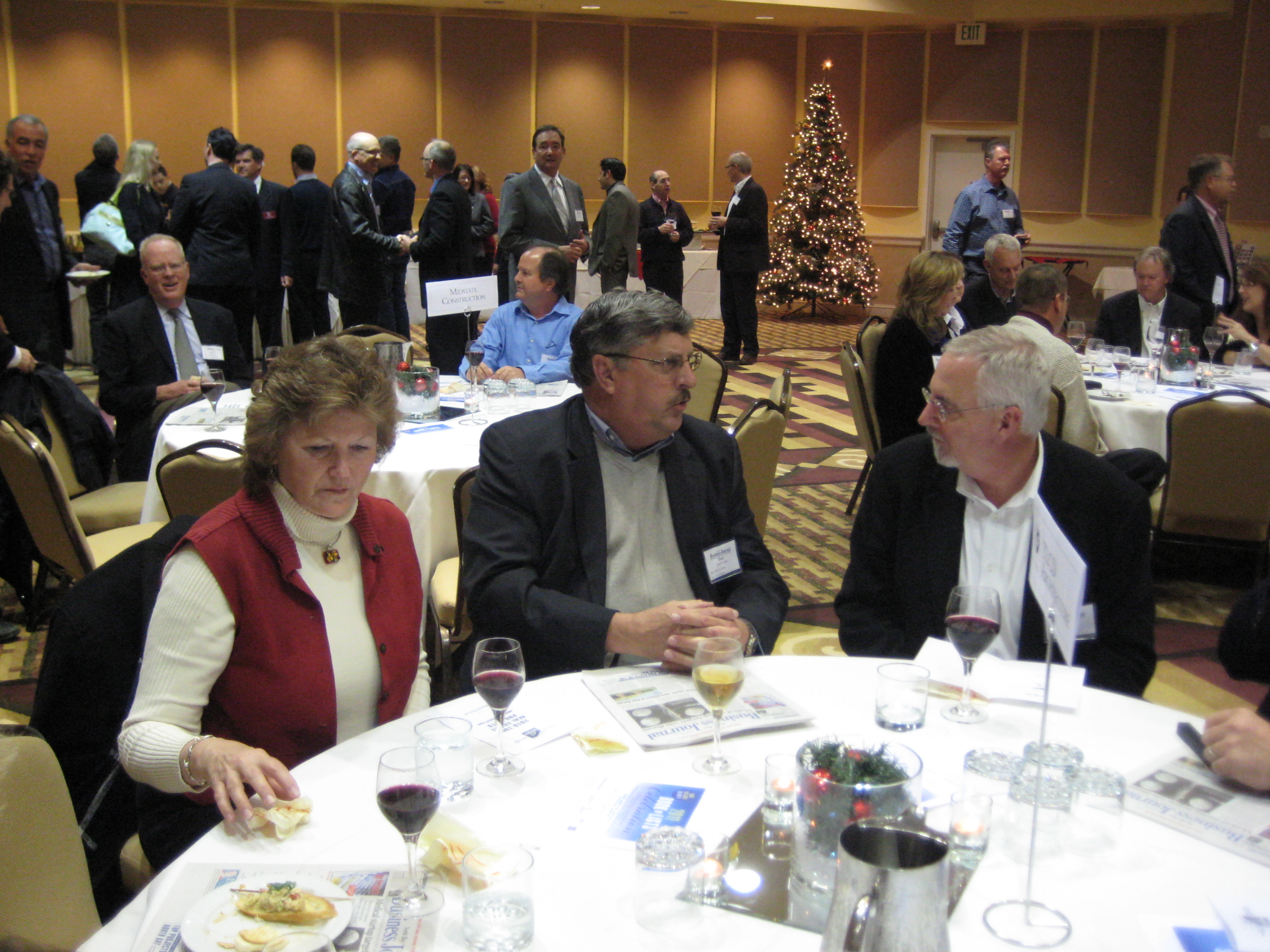
I feel very fortunate to have attended the annual North Bay Business Journal Top Projects awards last night with Don Tomasi, Suzanne Nagorka, Kevin Teel and his wife Carolyn. This was a very special event for all of us because 2 of the 11 winning projects were Civic projects led by Mark Adams.

DeTurk Round Barn was honored in the historic renovation category, and the City of Santa Rosa’s Utilities Field Office was honored in the green/sustainable category.

Don was able to present both awards to the owners and he was very eloquent in his praise of Mark’s leadership skills, his passion and dedication to these two very diverse projects, and his ongoing focus on design excellence in the built environment. For all of us who attended, it was apparent that this was far more than just a simple awards ceremony, it was a tribute to Mark’s work and achievements.

Marc Richardson with the City of Santa Rosa Recreation and Parks department, commented on Mark’s amazing skill at leading multiple neighborhood meetings and gaining community consensus to move the renovation of the DeTurk Round Barn forward. Miles Ferris with the City of Santa Rosa’s Utilities department commended Mark for pushing them to design a building that was more than just functional. The Utilities Field Office (UFO) is a model of sustainable design and is the first commercial project approved within the City’s new Green Building Development program.

From Don’s heartfelt words, to the high praise from our clients, it was an affirmation of Mark’s work and the legacy of his projects in the North Bay. It was one of the proudest moments I’ve had with TLCD Architecture and I know Mark is smiling on us all.
This slideshow requires JavaScript.

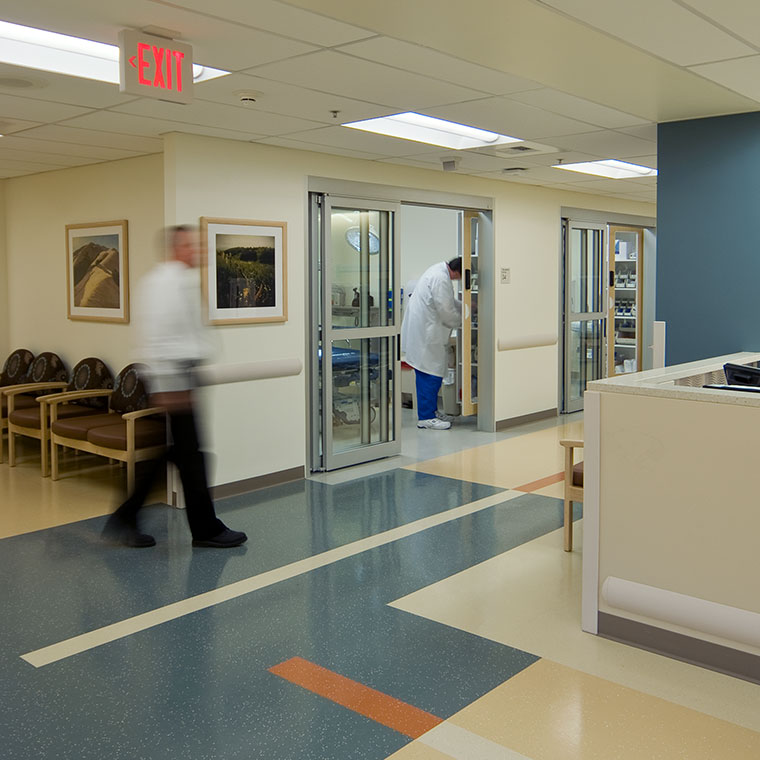
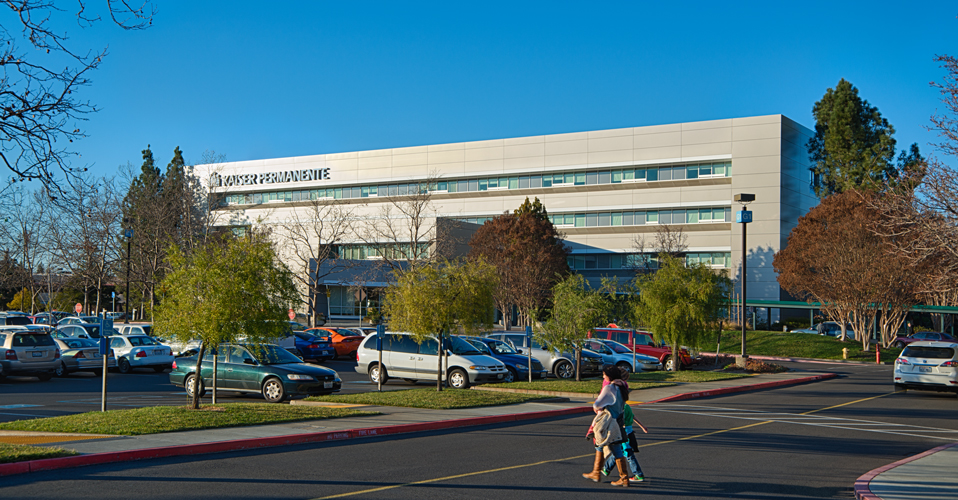
TLCD’s Kaiser Permanente Santa Rosa Hospital Expansion Wins ENR’s Best Healtcare Project

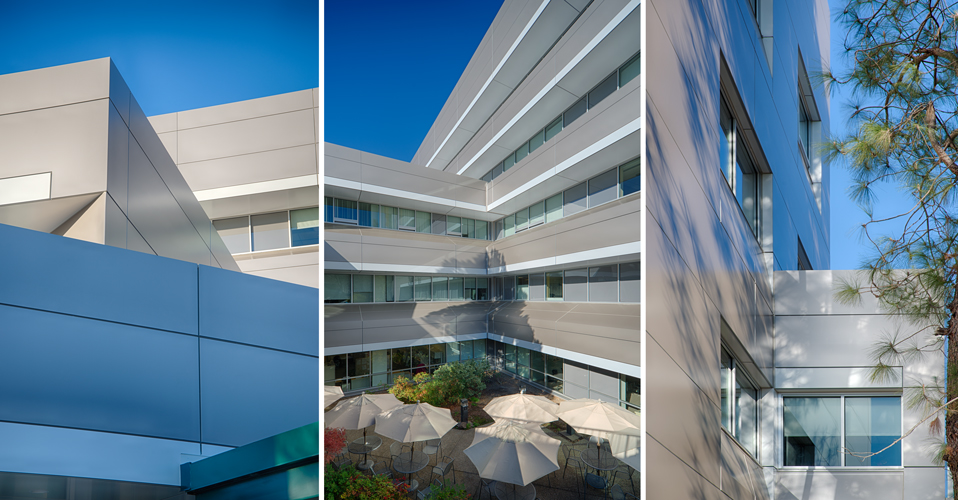
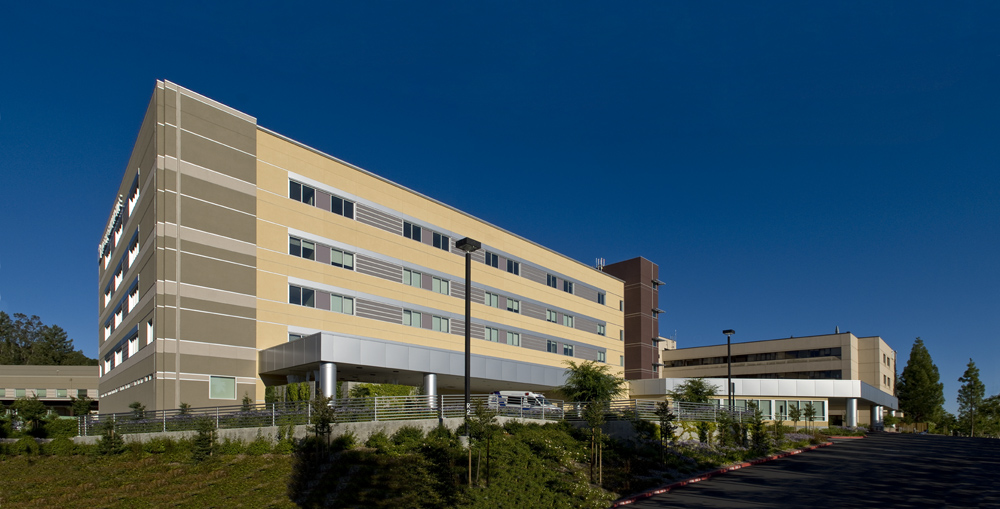
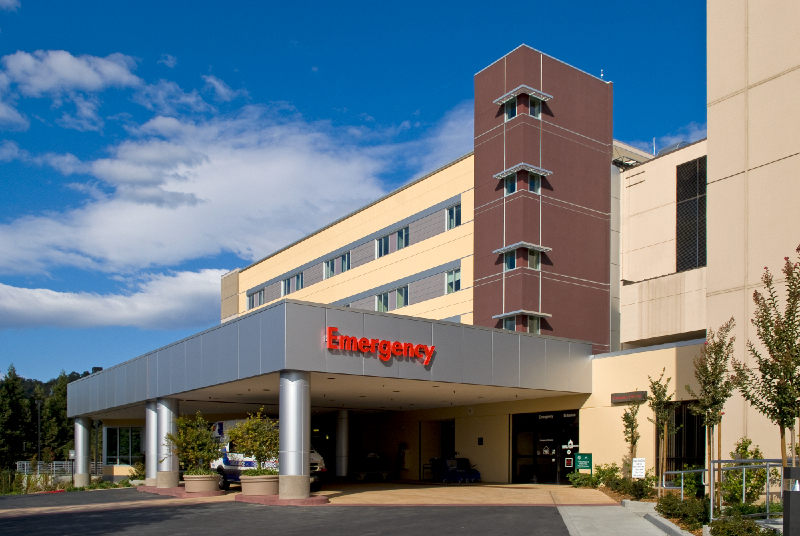
TLCD Architecture attended the 2011 ENR California Best Projects awards  on December 12th  as a member of the Kaiser Permanente Santa Rosa Hospital Expansion team that won the ENR Best Healthcare Project category. The award is a reflection of the great teamwork between the Owner, Design Team and Contractor who all shared a common goal to make this the best project possible. The Hospital Expansion opened a year ago and also won the North Bay Business Journal’s Top Project award. Congratulations to the whole team!
Follow

Get every new post delivered to your Inbox.

Join 103 other followers

%d bloggers like this: